If you’re planning your first trip, this safari packing list covers what to pack for Africa and what to leave at home. I’m a safari and lodge photographer, but this guide is for everyone, not just people with big cameras.
Many of the small planes that fly you into the bush have strict weight limits, so I always travel light. But for most people, a safari is a once-in-a-lifetime experience, so I also pack a few things that help it feel that way.
This post contains affiliate links. If you buy through them, I may earn a small commission at no extra cost to you.
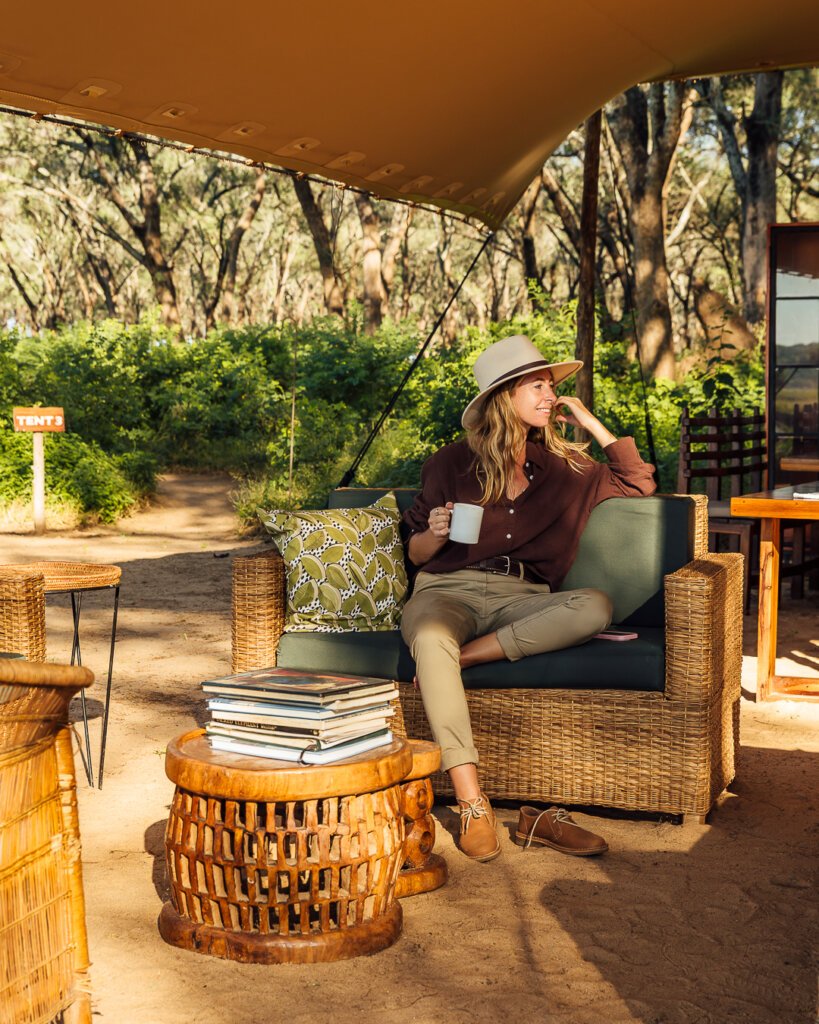
What to wear on Safari
It gets hot and cold on safari, sometimes within the same day. Early morning game drives can be surprisingly chilly, particularly when you’re sitting in an open vehicle, so layers are important. Once the sun comes up, you’ll want something lightweight and breathable.
I tend to favour neutral colours such as khaki, beige, olive and sand. You don’t need to buy an entirely new safari wardrobe, but a few comfortable pieces make a difference.
Longarm Linen shirts
A long-sleeved linen shirt is one of the easiest pieces to pack. It’s breathable, works well in warmer weather and provides some protection from the sun. I’d choose a relaxed fit in white, beige, sand or olive.
- Affordable: Linen-rayon blend button-down shirt. Look for a simple, relaxed cut.
- Sun-protection shirt with V-Neck idea for hiking or safari
- Higher-end: 100% linen shirt from a brand such as Reizvolle or Sezane.
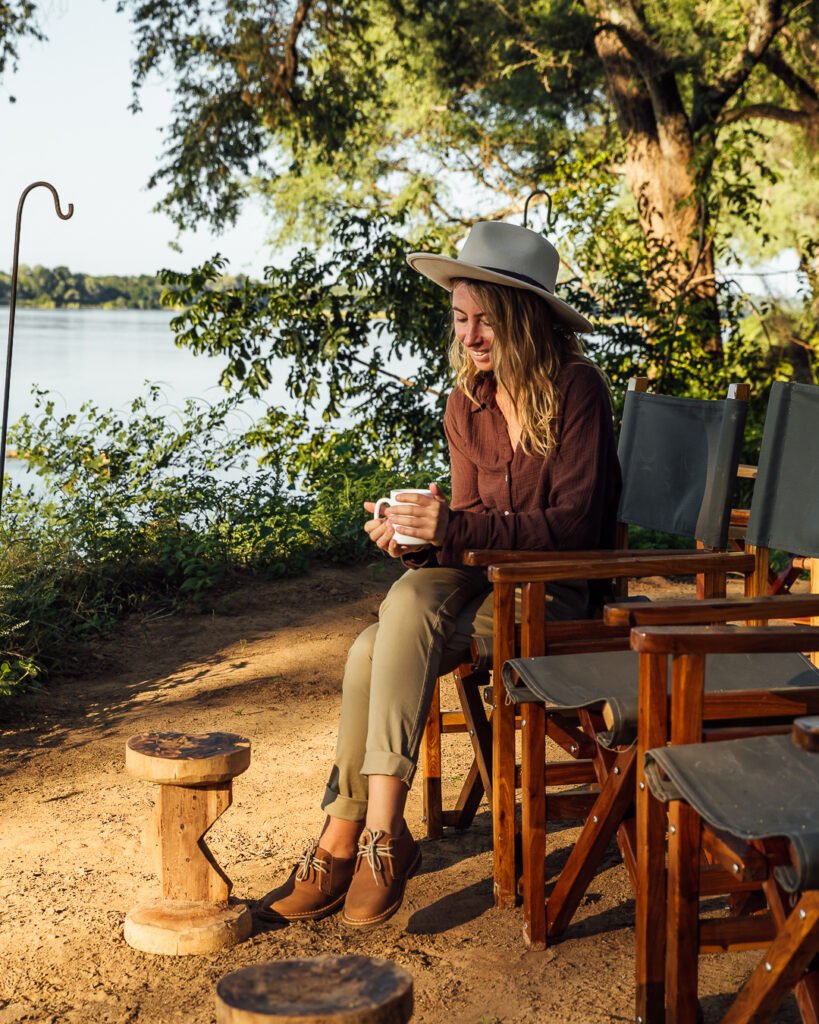

Safari trousers
Lightweight trousers are practical for game drives, particularly if you want protection from the sun, dust and insects. I prefer a comfortable fit that doesn’t restrict movement when getting in and out of the vehicle and typically mix shorts and long trousers.
- Affordable: Lightweight Chino trousers similar to the ones I wore from Zabu Workwear
- Higher-end: Technical travel trousers which are great for bush walks
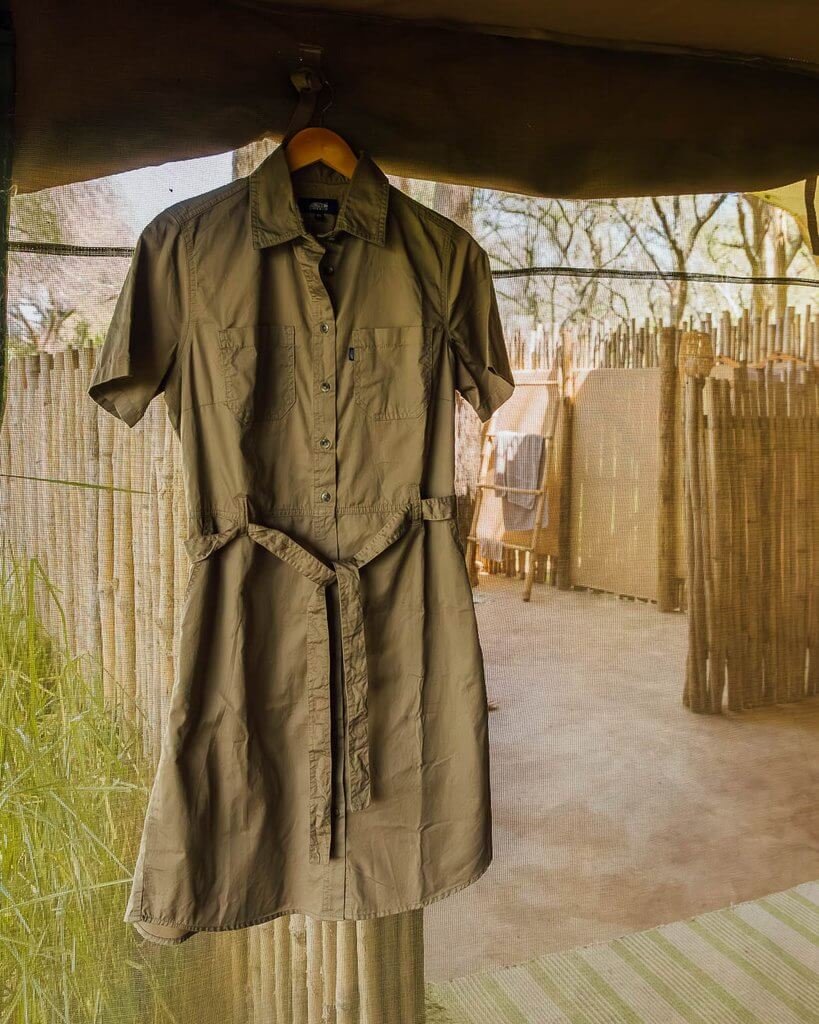
Safari dresses
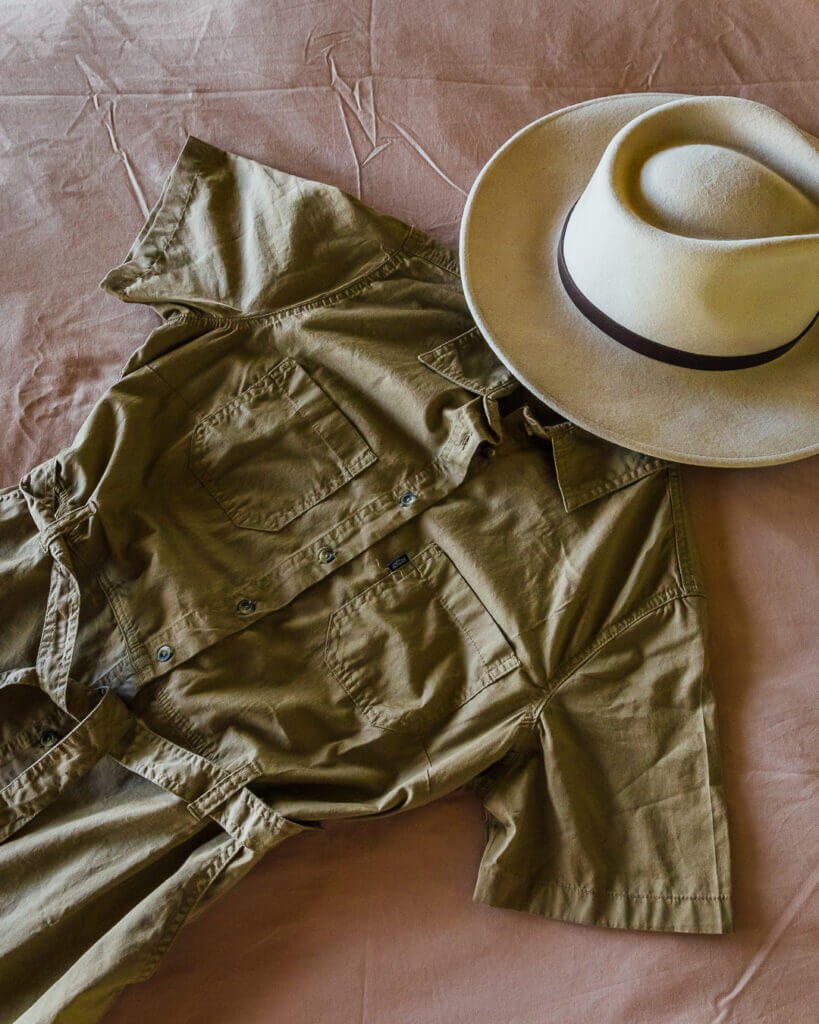
If you prefer dresses, a relaxed safari-style shirt dress is a nice alternative to trousers. Look for breathable fabric, practical pockets and a belt or adjustable waist. I tried one myself, but it ran too big, so definitely check the size chart before ordering.
- Affordable: Cotton shirt dress in khaki or beige.
- Higher-end: A cotton safari dress with a relaxed fit.
A warm layer for early mornings
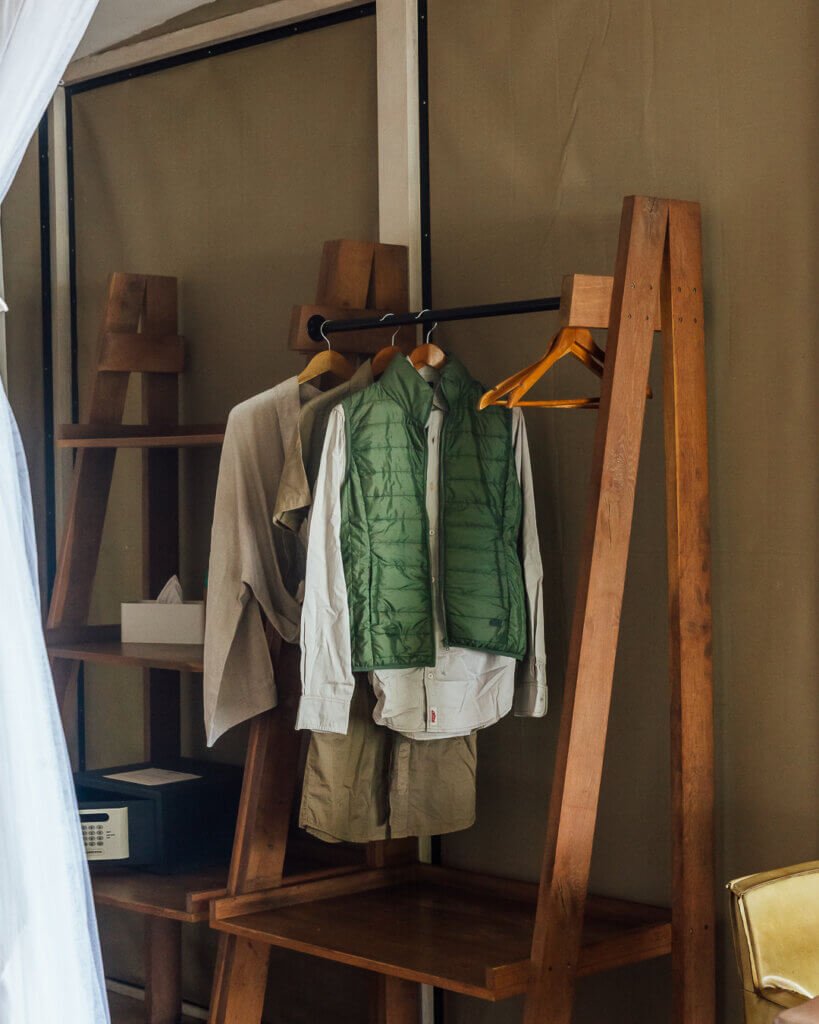
A lightweight fleece or padded vest is worth bringing. I would choose something that packs down easily and can be worn over a shirt. You don’t need a heavy winter jacket for most safari destinations.
- Affordable: Lightweight fleece or softshell jacket from Columbia
- Higher-end: Packable insulated vest which is ideal for morning drives
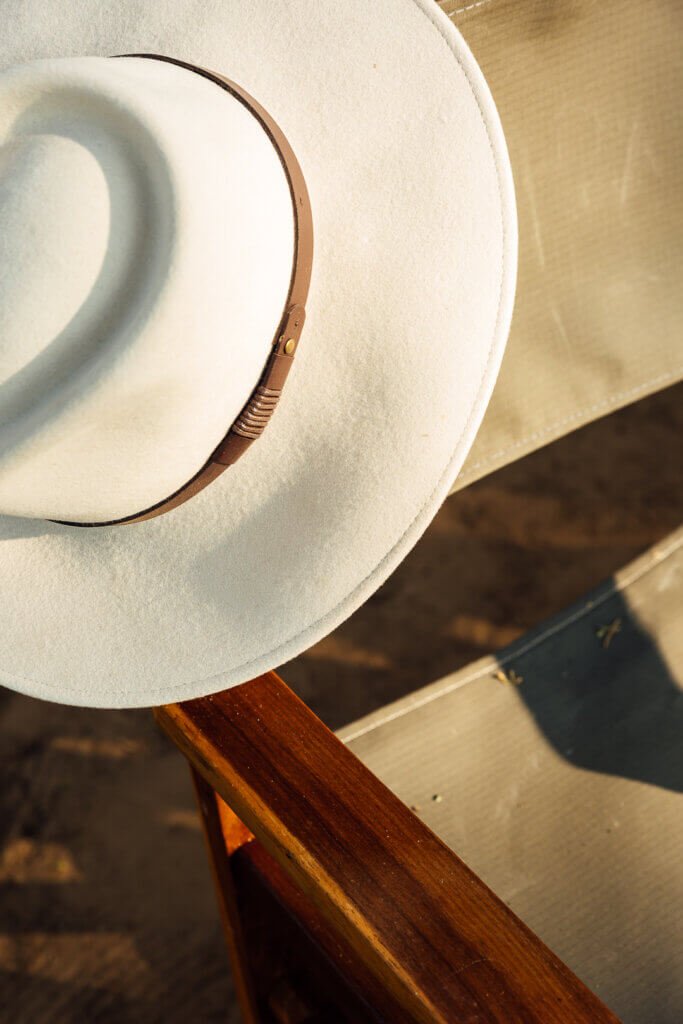
A wide-brimmed hat
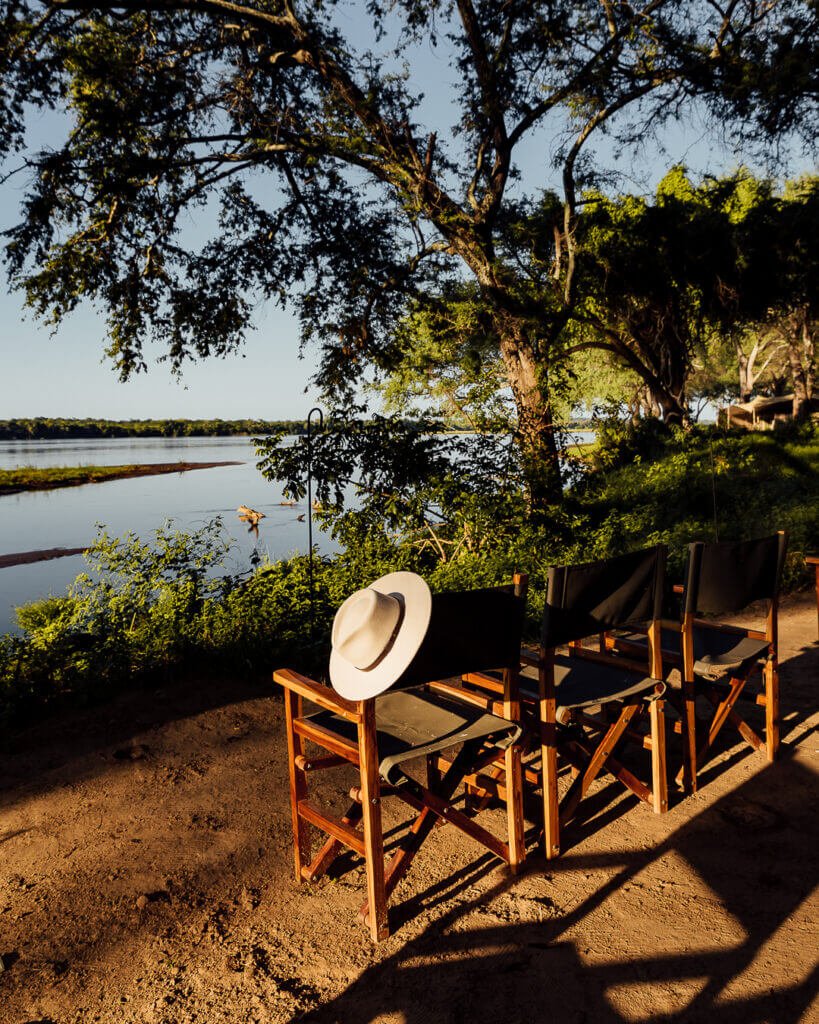
A good hat was one of my favourite things to have on safari. Choose a wide brim for shade, ideally with an adjustable chin strap so it stays in place when the vehicle is moving.
- Affordable: Wide-brim canvas safari hat.
- Higher-end: Jacaru-style 100% wool Panama hat
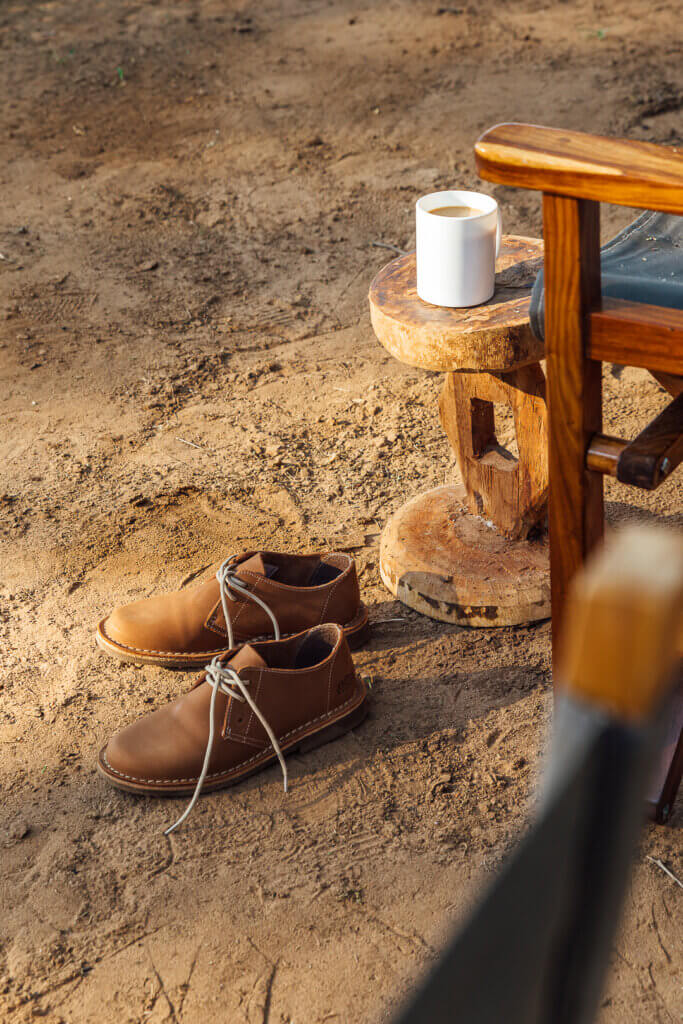
Shoes
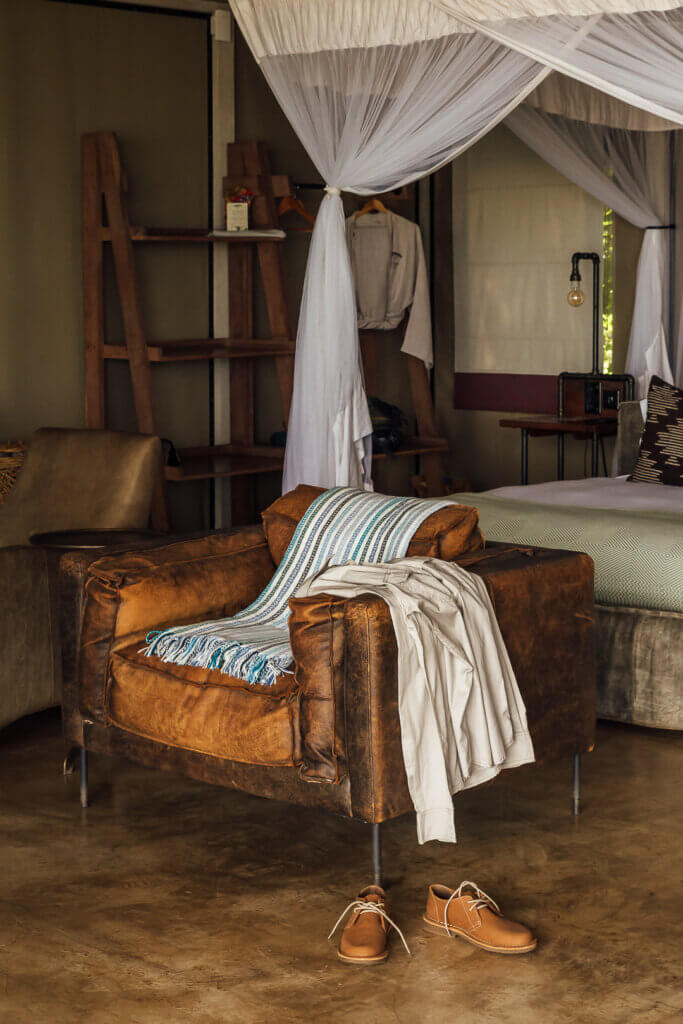
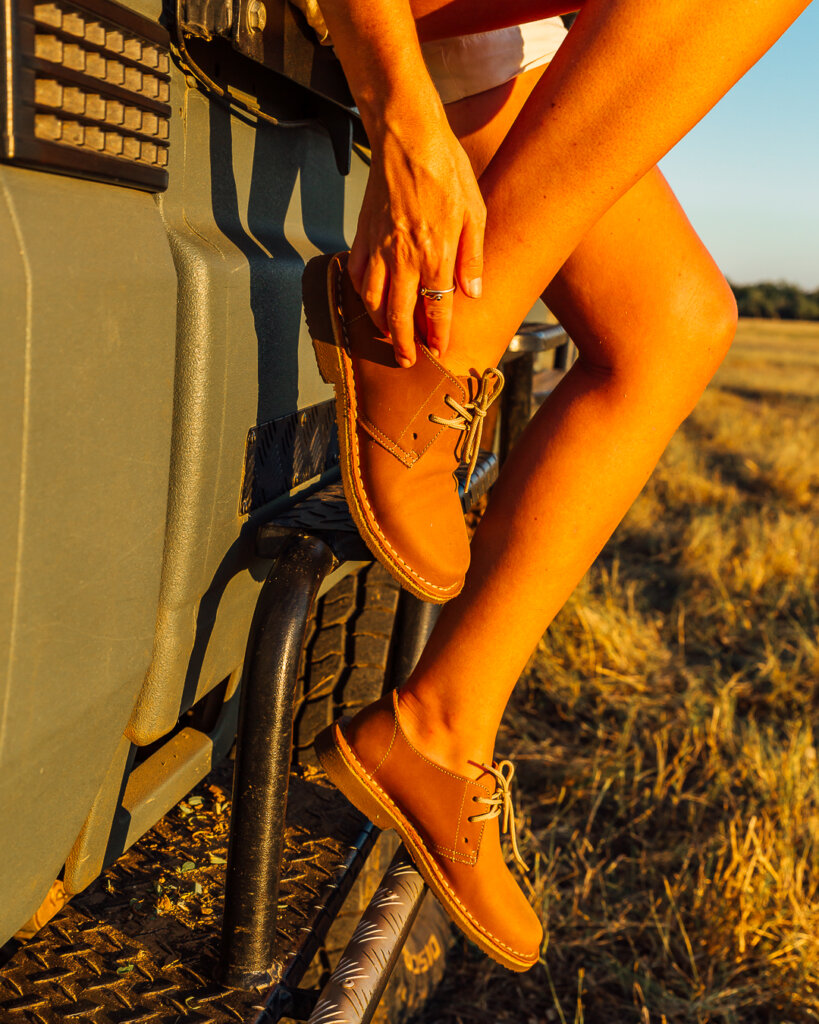
I wore Johnson Workwear shoes in Zambia, the classic style also worn by guides, and they were great for adventures afterwards too. For my safari packing list I’d always say get yourself a pair of Veldskoen shoes.
- Similar style: Veldskoen-style leather shoes
- Alternative: Lightweight walking shoes if you prefer something more athletic.
A comfortable pair is usually sufficient for a vehicle-based safari. If you’re doing walking safaris, check the footwear requirements with your lodge.
A few smaller additions to your safari packing list
A simple leather belt is useful with linen trousers and dresses. Sunglasses are another obvious essential, especially when you’re spending hours outside.
Also, conditions vary considerably between African countries, seasons and types of safari. A walking safari in Zambia, for example, may require different footwear from a vehicle-based safari in Kenya – best to talk to a travel consultant from Pinto Africa for the European Market or Alluring Africa for the American Market.
Camera and lenses
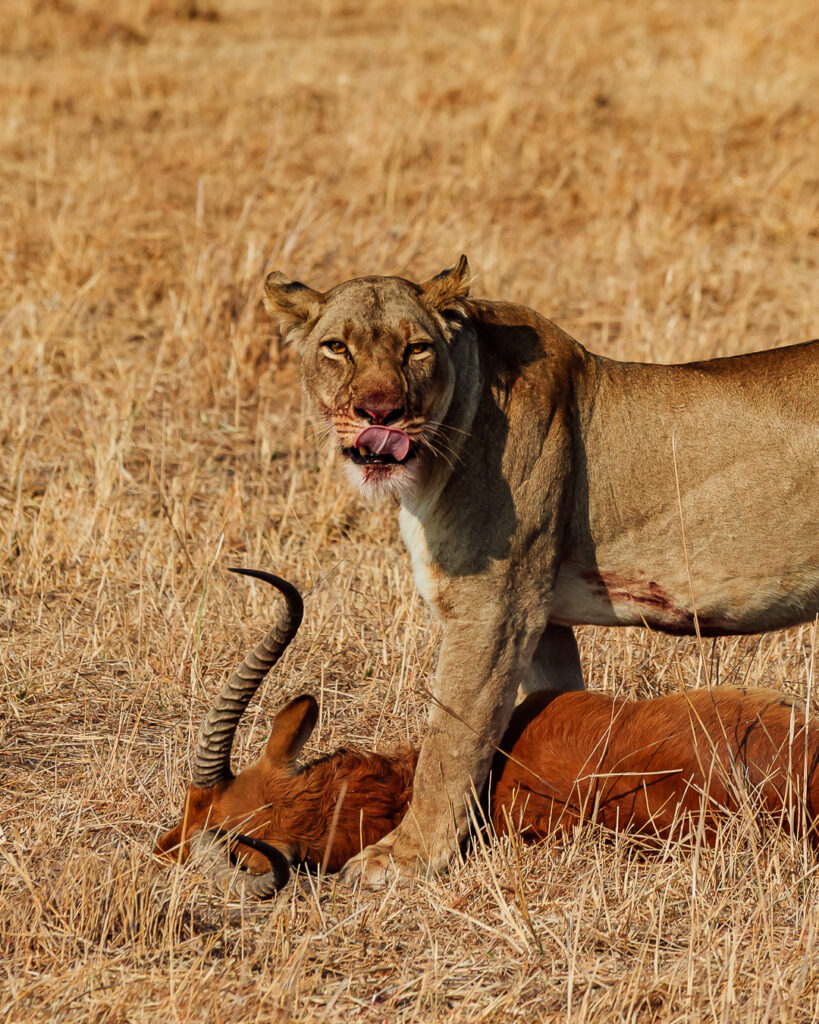
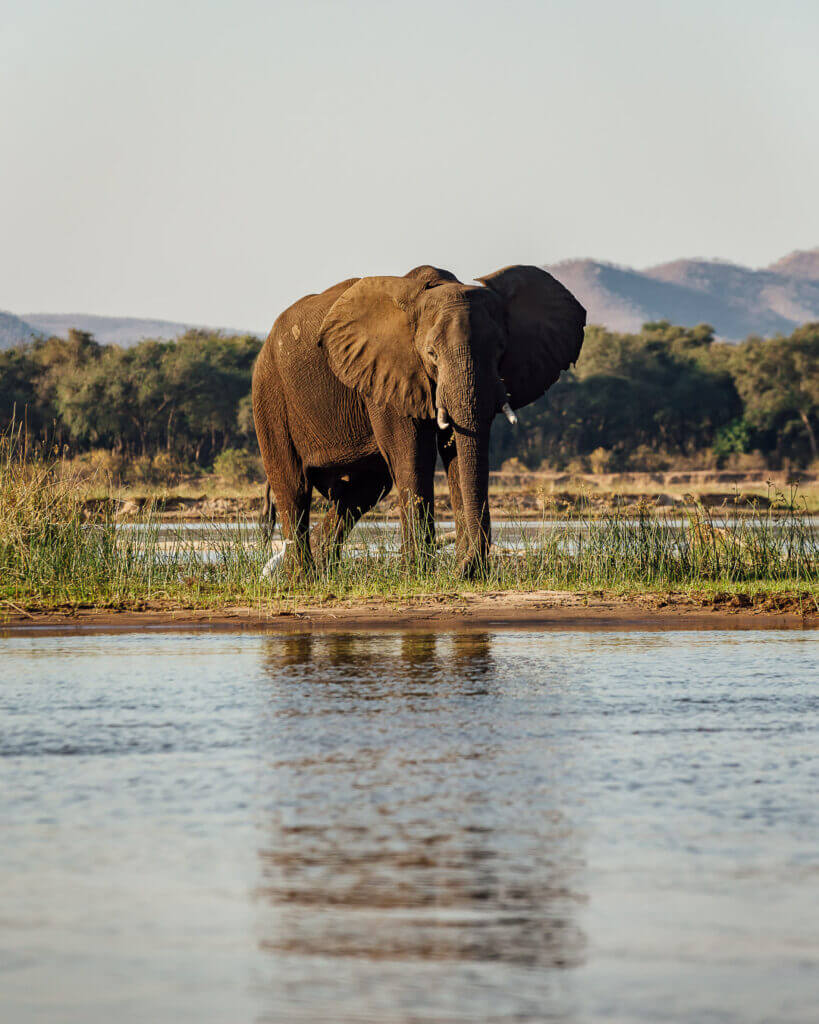
On safari, I shoot with a Canon 70-200mm, a versatile range for most game drives and the lens I’d bring first. If I could add one thing, it would be a longer lens in the 300mm range for distant animals, and a 24-70mm is a great all-rounder for camp, landscapes and people.
- What I use: Canon 70-200mm f/2.8 USM II (really loving this one; it’s fast and sharp). However, binoculars are a great option if you don’t own a telephoto lens.
- On my wishlist: a Canon 70-300mm-range telephoto lens to really get close to wildlife & birds
- Similar option: a Canon 24-70mm f.28 all-round lens for lifestyle, rooms and the in-between moments
- Alternative: a phone with a good zoom if you don’t want to carry a camera
Filter for bright skies
African skies get very bright, so I use a Hoya UX II CIR-PL filter. It reduces reflections and enhances contrast in certain conditions, but it isn’t essential for a first safari.
- What I use: Hoya filter
Alternative: a filter from another brand in your lens’s size, so check your lens’s filter size first and whether you need a step-up ring
Memory cards and backup
Don’t rely on one card. I shoot on two SanDisk cards, then back up to a LaCie hard drive via a UGREEN USB stick for multiple card formats, so there are always two copies before I leave the lodge.
- What I use: SanDisk cards, LaCie hard drive 2TB, UGREEN USB stick
- Alternative: a portable SSD from SanDisk if you want something smaller and faster
Tripod or beanbag?
I own a Manfrotto tripod, but many safari vehicles have beanbags to rest your camera on, so I rarely bring it on game drives. Ask your lodge before you pack one.
- What I use: Manfrotto tripod, for landscapes, camp and to take photos of myself
- Alternative: skip it and use the vehicle’s beanbag
Bags
I arrived with a soft duffel bag and a small backpack, which suited the small-plane weight limits.
- Similar style: soft-sided duffel, like from The North Face or Decathlon
- Alternative: a small daypack for cameras and essentials from Wandrd Rogue
Bug spray
I packed a high-DEET spray, but there were few mosquitoes, so a small bottle is enough. Check with your lodge or doctor for your area and season.
What not to pack
Packing for safari is mostly about keeping things practical. You can leave heavy jackets, multiple pairs of shoes and outfits for every occasion at home. Most days are spent outdoors, often in the same comfortable clothes. Take a nice piece for the evening times and you’re fine!
I’d also avoid blue and black clothing in areas where tsetse flies are present, as they are attracted to these colours. Stick to neutral shades instead. Delicate fabrics and anything you wouldn’t want covered in dust are best left behind, too.
Finally, think twice before bringing bulky equipment. A tripod can take up valuable luggage space and is rarely needed on a standard game drive, where many vehicles have beanbags or other camera supports available.


A few final tips before your safari
You don’t need to buy a completely new wardrobe or pack for every possible situation. A few comfortable layers, practical shoes and the essentials for your particular destination will go a long way. The most important thing is to check your itinerary and luggage allowance before you leave, especially if your safari includes small aircraft transfers.
And remember, the experience is about much more than what you bring with you. If you’re still deciding where to go, you can read more about my experiences in Zambia and Kenya, including the lodges, landscapes and wildlife encounters that make each destination so special.
I hope this safari packing list you feel a little more prepared for your first safari.
Leave a Reply