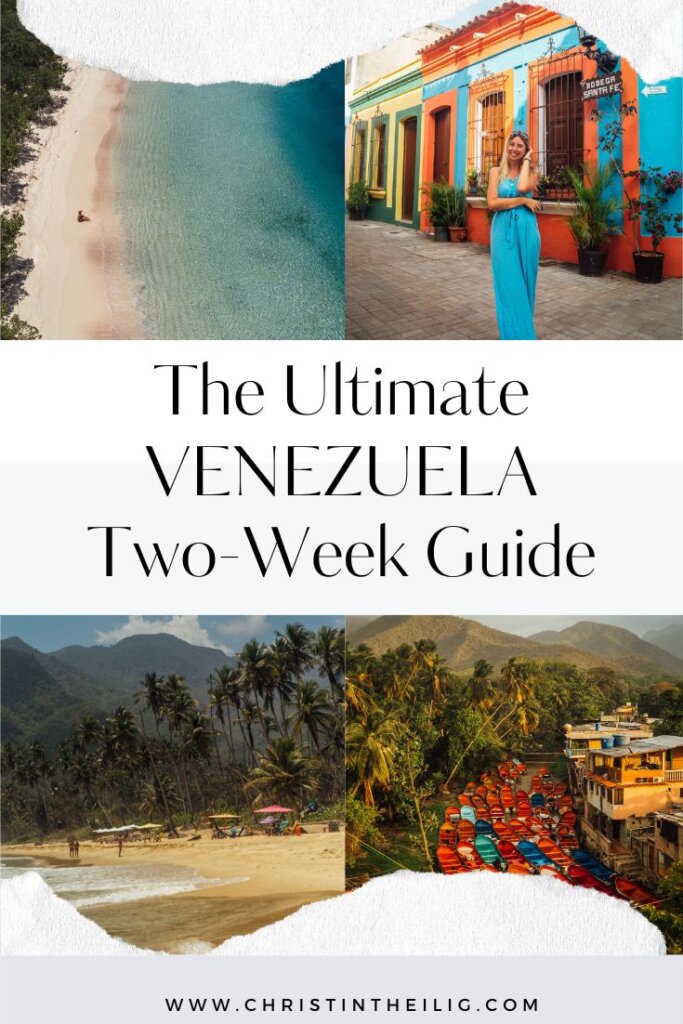
Discover the hidden gems of Venezuela’s Caribbean Coast in this two-week Venezuela travel itinerary. It’s the mix of pristine beaches fringed by lush jungles, colonial towns nestled amidst breathtaking landscapes, and vibrant cities coexisting with serene fishing villages that makes this country so special.
This itinerary is designed for curious, confident travelers who want to experience Venezuela beyond headlines. It’s ideal if you enjoy independent travel, don’t mind slower transport days, and value unique stays, nature, and local culture over fast-paced sightseeing.
You’ll be moving through lesser-visited regions, staying in locally run hotels, and relying on a mix of buses, taxis, and short boat trips. If you prefer all-inclusive resorts or tightly scheduled tours, this route may feel too flexible. If you want raw landscapes, warm people, and places that still feel undiscovered, this itinerary is built for you.
Most international travelers arrive in Caracas, even though this itinerary begins in Maracaibo. I include both options below so you can decide what fits your flight route best.
Venezuela is one of South America’s most diverse countries, shaped by a layered history and dramatic landscapes. From colonial cities tied to Simón Bolívar’s legacy to wild national parks and Caribbean coastlines, the contrast between culture and nature is striking.
What stayed with me most, though, was how easy it was to connect with people along the way (I am fluent in Spanish and it helps tremendously). Despite the country’s challenges, warmth and hospitality are part of everyday life here, and that human element is what turns this itinerary from a checklist into a real experience.


Venezuela Travel Itinerary: Essentials to Know
Venezuela isn’t a destination you visit without preparation, which is why I answer the most common safety and logistics questions first. Also, keep in mind that transport can take time and plans may shift. Typically, routes are well-used and with patience, you’ll always move forward!
Most excursions and local activities here aren’t part of standard tours, so I arranged mine directly through my hotel. Your accommodation is usually the best point of contact for trusted drivers, boat trips, or local guides!
Internet & VPN for Venezuela
Getting Express VPN provides additional security and privacy, which is so useful when accessing sensitive information and browsing the internet in countries with stricter online censorship, as is the case in Venezuela.
Venezuela 2-Week Travel Itinerary – Up North Highlights
See your stops from Maracaibo to Caracas, including Adicora, Coro, Morrocoy, Puerto Cabello, Isla Larga, Choroni, and more. Use this map to visualize your route, plan travel times, and see where to stay and explore along the way.

Is Venezuela safe to travel?
In places such as Coro, Morrocoy, Puerto Cabello and Choroni – all towns relying on local tourism – I was assured that it’s safe. I could walk around freely after sunset, have my belongings on me and take photos on the street.
I followed the suggestion of locals and wore my backpack at the front (especially in the busy metro) and stayed in East Caracas, which was said to be the safest.
The Only Safety Net: SafetyWing is one of the very few providers that still offer medical coverage in Venezuela. It’s a game-changer for hikers heading to Mount Roraima because it handles emergency evacuations. Check the Venezuela specifics & get covered.
Do I need a Visa for Venezuela?
If you are from an EU Member state, you don’t need a visa and can visit Venezuela for up to 90 days. Other countries of South America, Japan, South Africa, Russia, or the United Kingdom (among others) also don’t need a visa. Make sure to have a booking confirmation of your hotel for the first day(s), a confirmation of payment of the hotel, an Invitation Letter from the hotel. Also, make sure to have proof of an onward flight ticket.
Day 1: Maracaibo (Arrival)
Let’s start your Venezuela two-week travel itinerary in one of Venezuela’s most significant cities. Maracaibo, a once vibrant city in Venezuela, holds great significance as a hub of cultural heritage and economic activity.
Hot, energetic, and culturally proud, it’s the heart of Zulia state and deeply tied to music, food, and lake life. This is less about ticking sights and more about experiencing a strong regional identity.
Where to stay in Maracaibo for short City Visits
Staying centrally in Maracaibo keeps moving around simple and puts you close to restaurants, the waterfront, and daily life.
Hotel Oscar offers a comfortable and convenient stay in Maracaibo, with clean rooms, reliable Wi-Fi, and helpful staff who can assist with local excursions or transport. It’s a practical choice if you want a central base while exploring the city and arranging day trips
Ragazze Suites in a good part of Maracaibo, offers a family environment and economic room options. The owners were super helpful, always there for questions and organized my taxi to the bus terminal.
Check available Hotels in Maracaibo, Venezuela
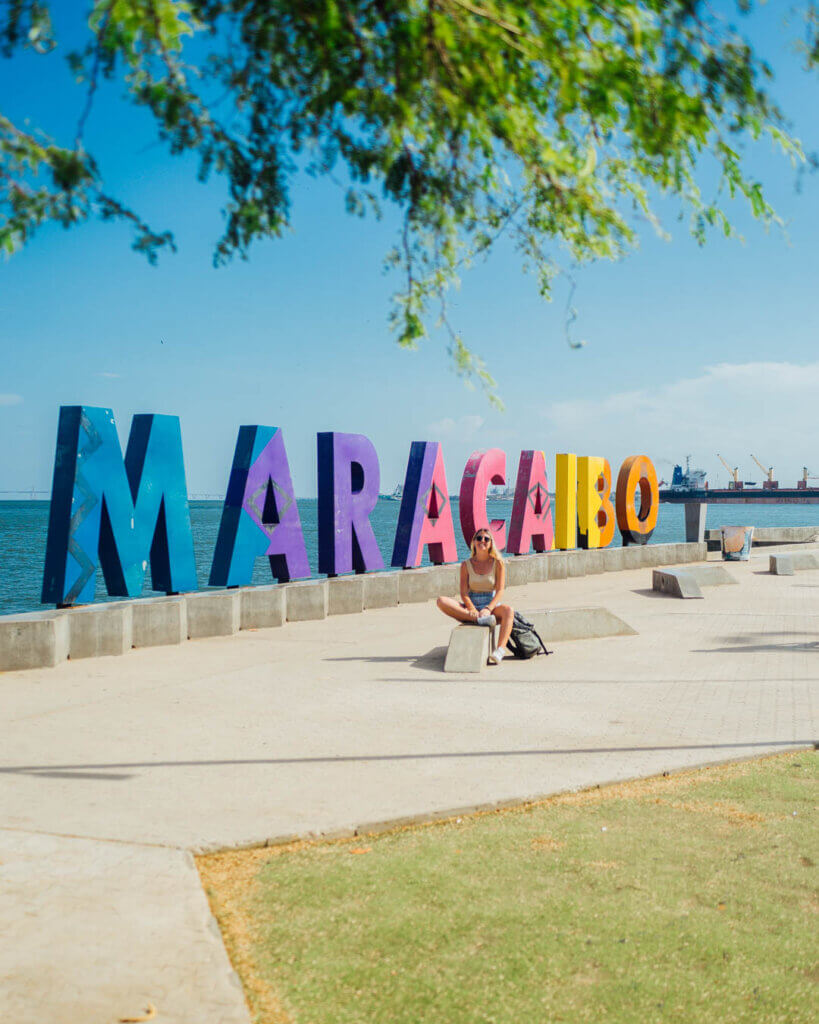
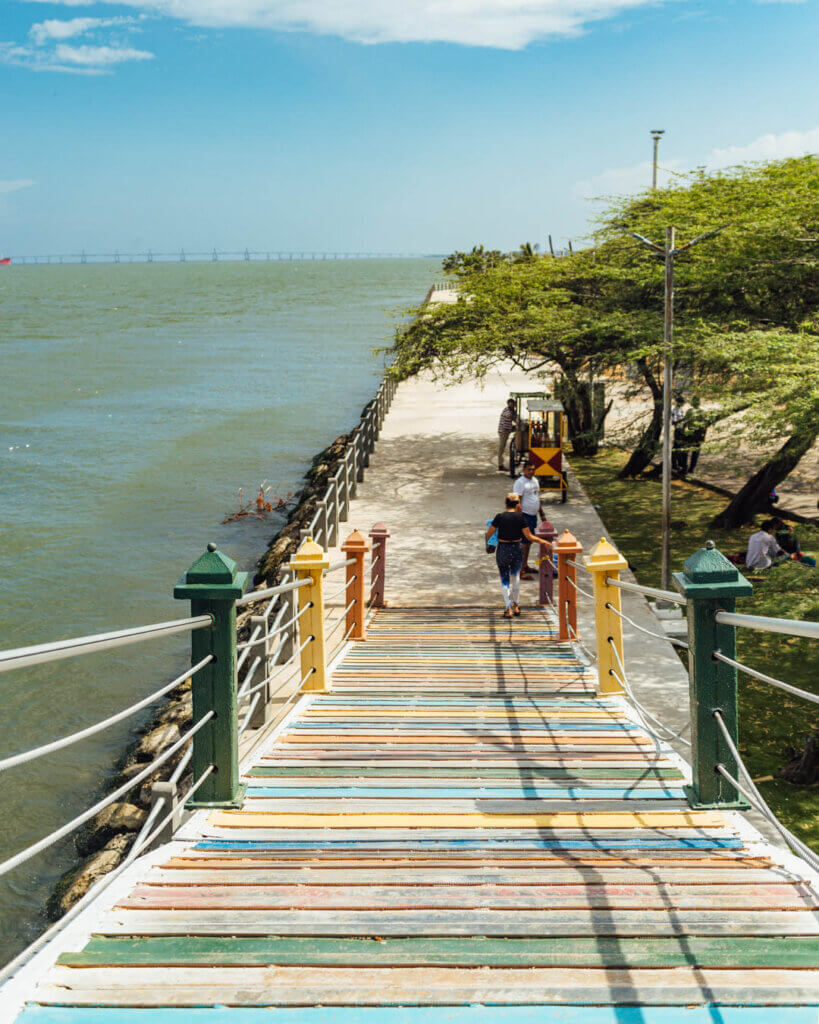
What to Do in Maracaibo, Venezuela
Explore La Vereda del Lago Park and stroll along the Malecon, a scenic waterfront promenade offering picturesque views of Lake Maracaibo, lined with restaurants, bars, and shops.
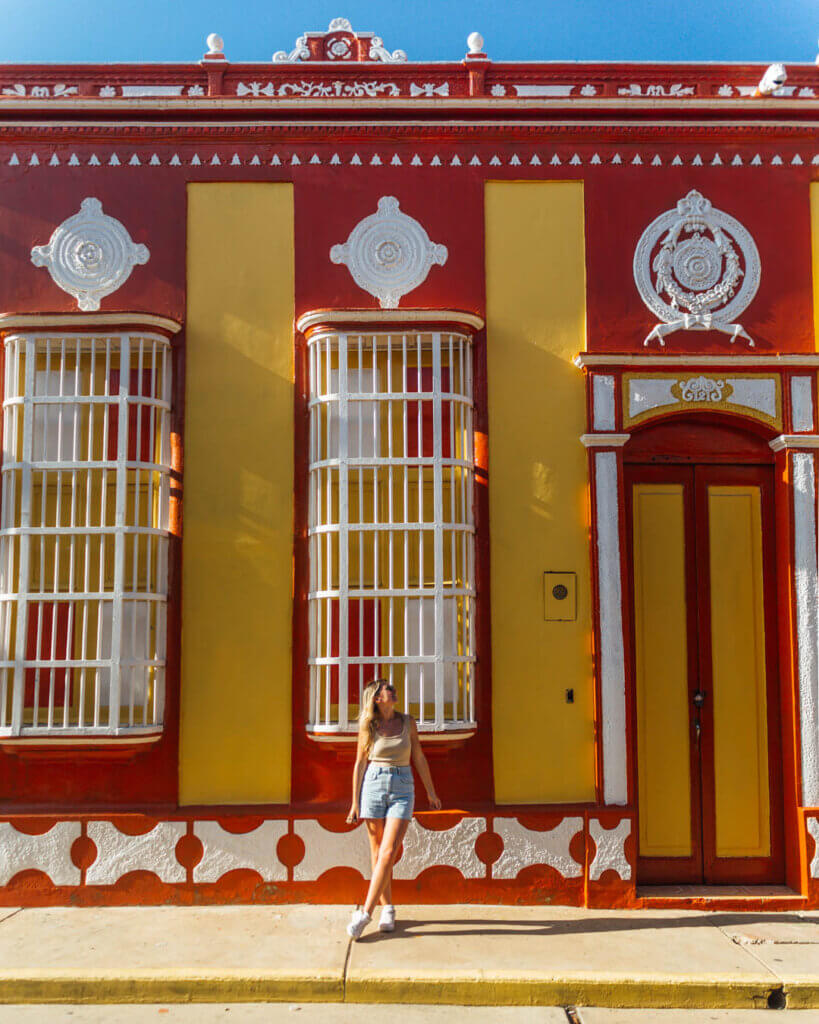
From there, it’s only a short drive to the city center. Wander through Maracaibo’s colonial streets, admire the architecture, and visit landmarks like Plaza Bolivar, the Municipal Palace, and Santa Lucia Church.
When I visited the city on a Sunday, the center and especially around Calle Carabobo (which is famous for its colourful colonial houses) was extremely deserted. It could have been the heat or the fact it was Sunday, but my taxi driver suggested not wandering around alone.
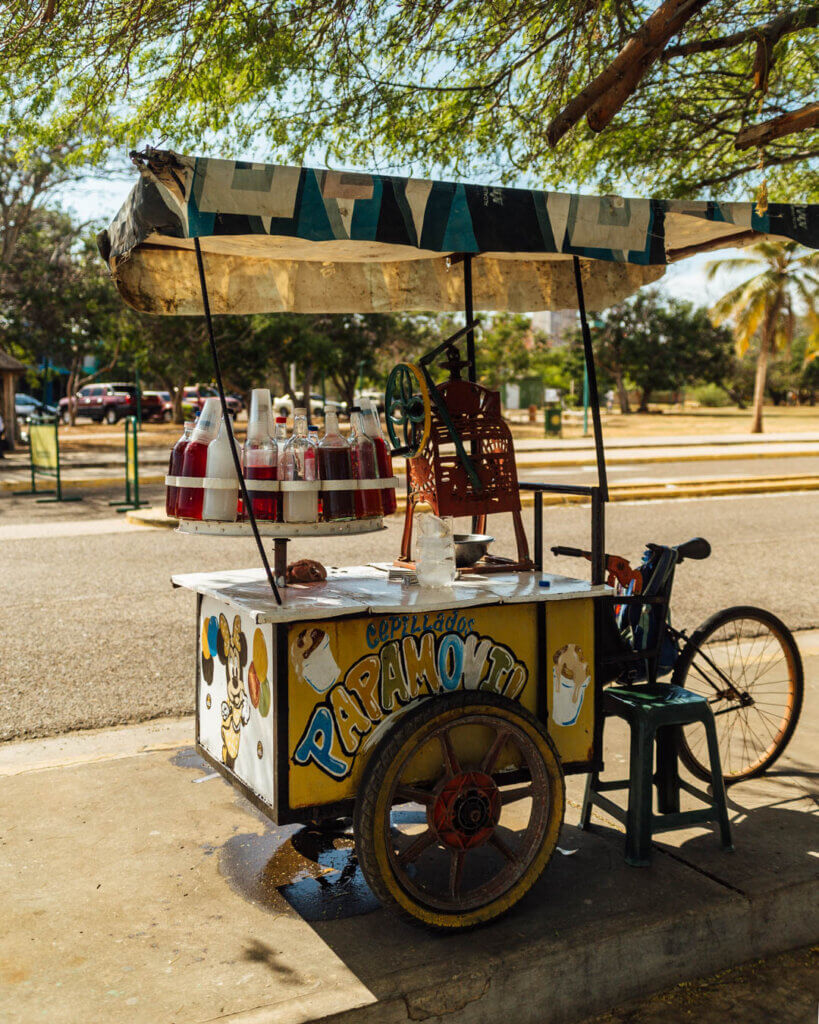
How to get from Maracaibo to Adiroca, Coro
Leave Maracaibo in the early morning hours to arrive in Coro before 2 pm to catch the next bus. The ride can be 4-5 hours long, prolonged by police checks and random pullovers to pick up new passengers. The price for the bus was 10 US$. Once in Coro change to a public or take a shared taxi for the one-hour ride to Adicora. Cost for the taxi cost 5 US$.
Day 2: Kitesurf & Colonial Town Adicora, Coro
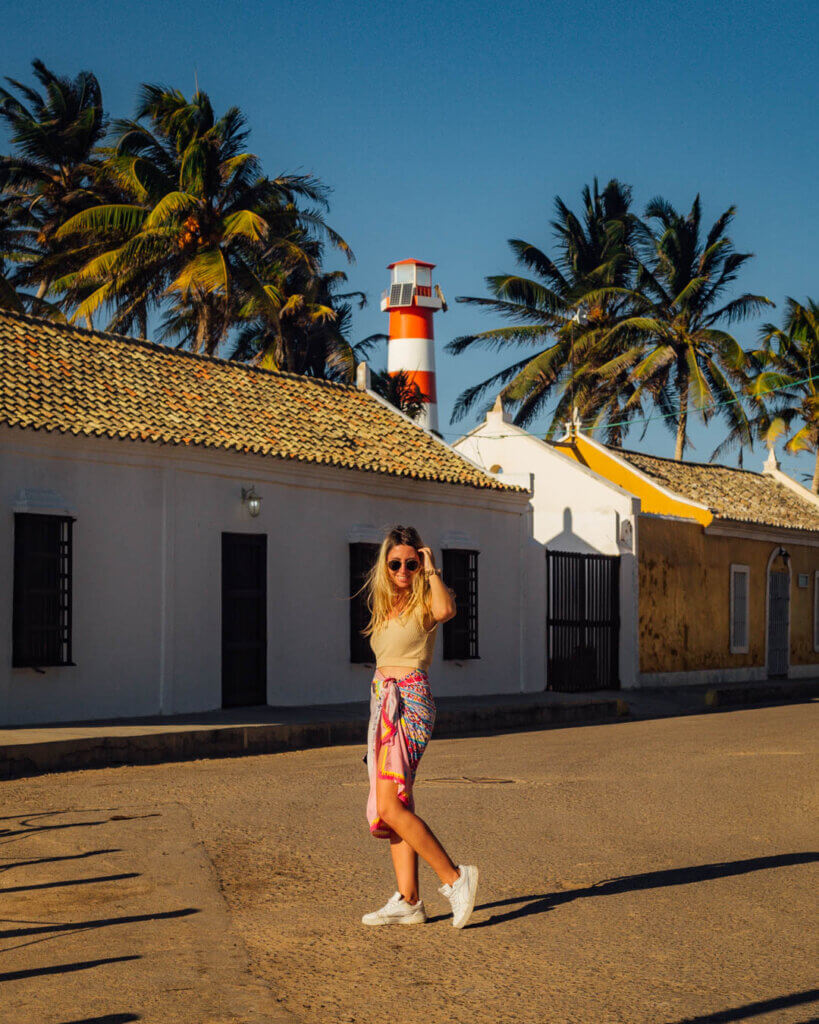
Coro, the entrance to Venezuela’s most northern point, is a spectacle in itself. The desert vibes begin once you leave town, greeted by huge dunes covering half of the street. A 60-minute drive leads you to the peaceful town of Adicora. Known as one of South America’s top kite surf spots, it’s a wonderful place to unwind.
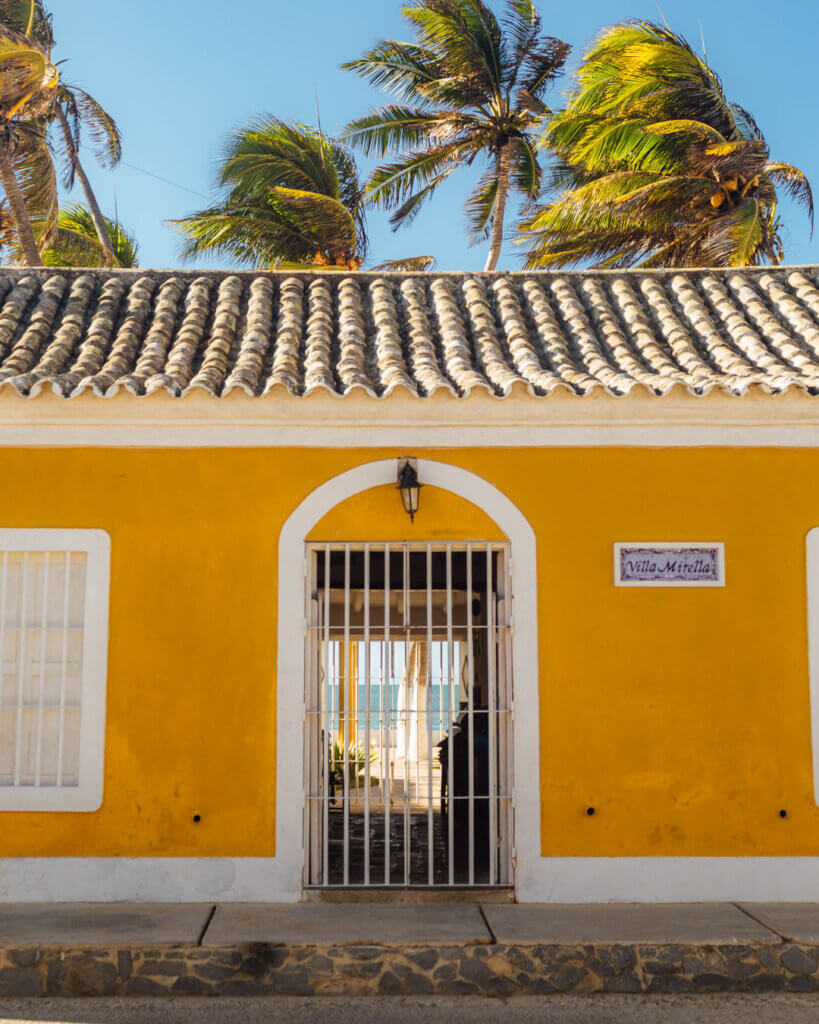
Quiet and sleepy during the week, the kite surf enthusiasts and nearby locals flock to the beaches. In the past, many Germans, Dutch and Italians arrived here, settling back in the days, when many of the colonial buildings still belonged to them. A true highlight of every travel itinerary for Venezuela!
Where to Stay in Adicora, Coro for Beach Getaway
Staying in Coro puts you close to the route north to Adicora and the beaches, while also giving you a taste of Venezuela’s rich history.
Housed in a modern building that stands out in the historic city of Coro, this is the most reliable high-end stay in the region. It features a beautiful outdoor pool and a lush garden. Check availability at Eurobuilding Coro if you want five-star service and a secure, comfortable base just minutes away from Coro’s UNESCO-listed colonial center.
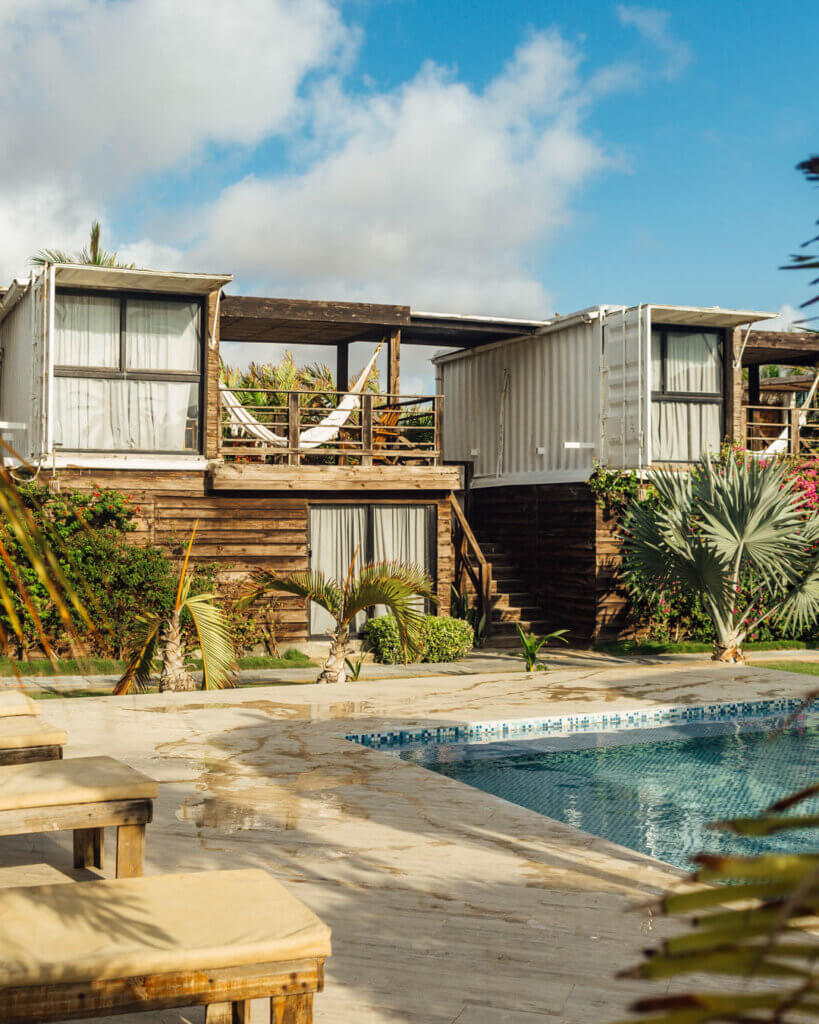
This is easily the most unique stay in Adícora, where you sleep in repurposed shipping containers transformed into stylish, sustainable suites. Each room comes with its own terrace and hammock, perfect for a post-surf siesta. You should secure your stay at 30 Nudos here if you’re looking for a vibrant, eco-conscious atmosphere with on-site kitesurfing lessons and weekly DJ nights right by the ocean.

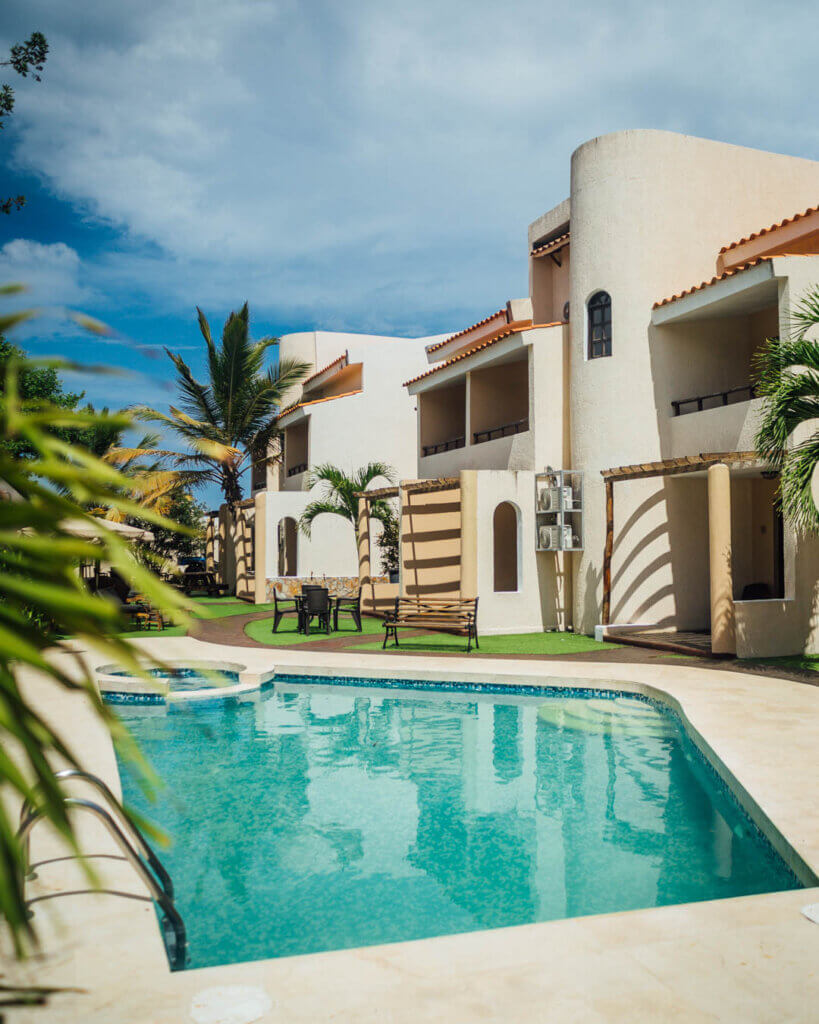
As the pioneer of kitesurfing-tailored stays in Adícora, Hipocampo offers spacious, serviced apartments equipped with full kitchens and dining areas. It’s a fantastic choice for families or groups who want more space and a daily traditional Venezuelan breakfast to fuel their sessions. Book Apartahotel Hipocampo if you want a reliable, apartment-style stay just a short 5-minute walk from the beach and the local village.
Check available Hotels in nearby Punto Fijo, near Adicora, Venezuela
Day 3: Adicora
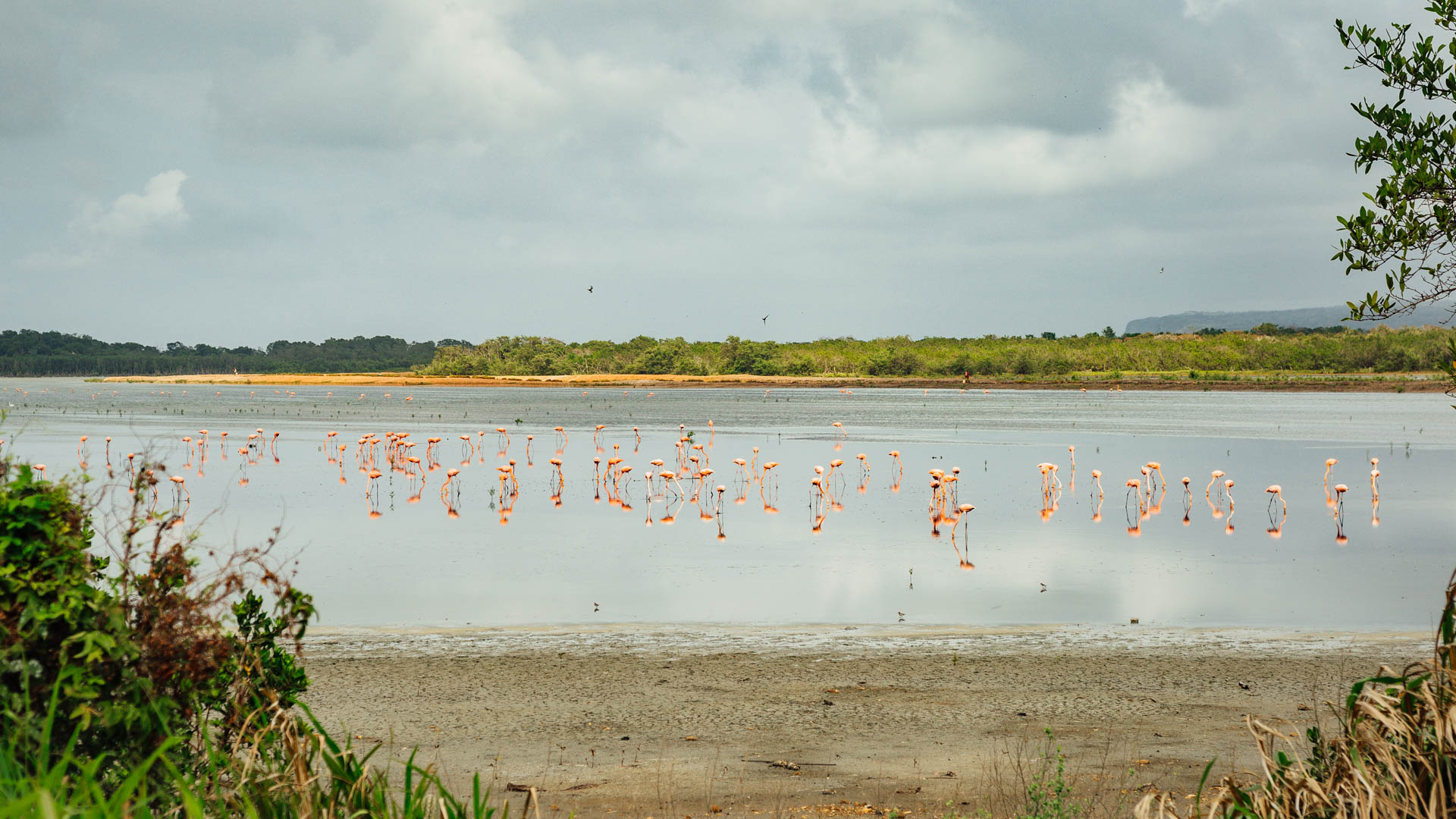
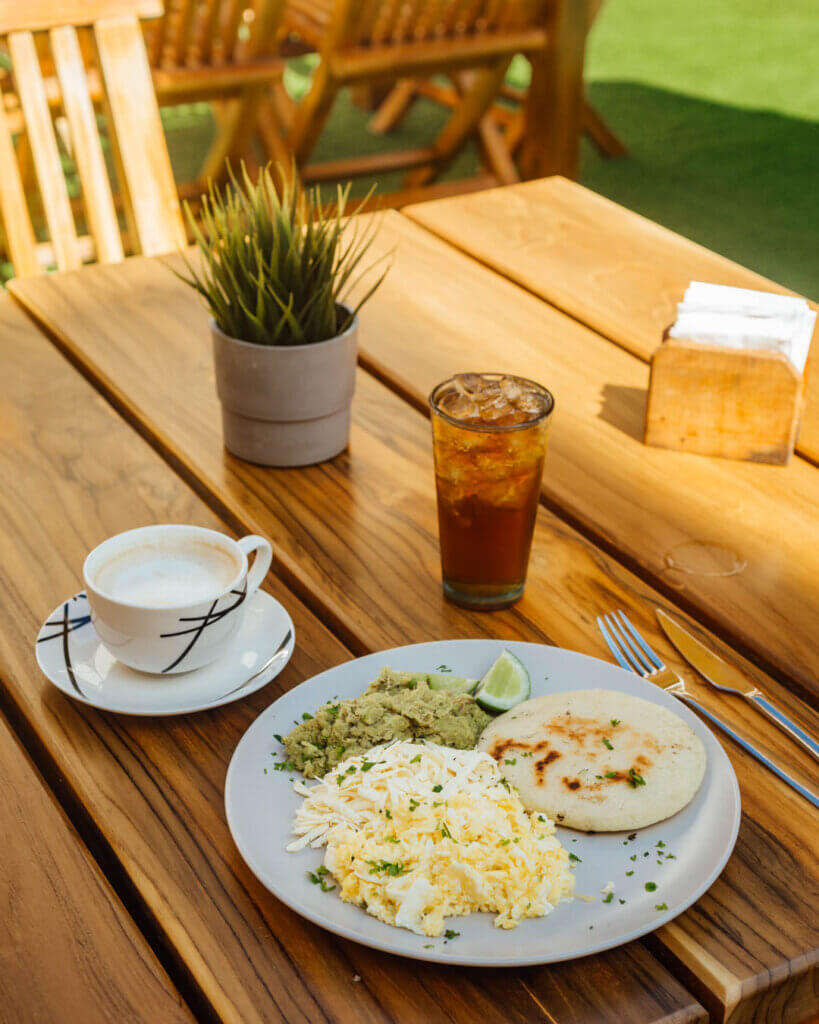
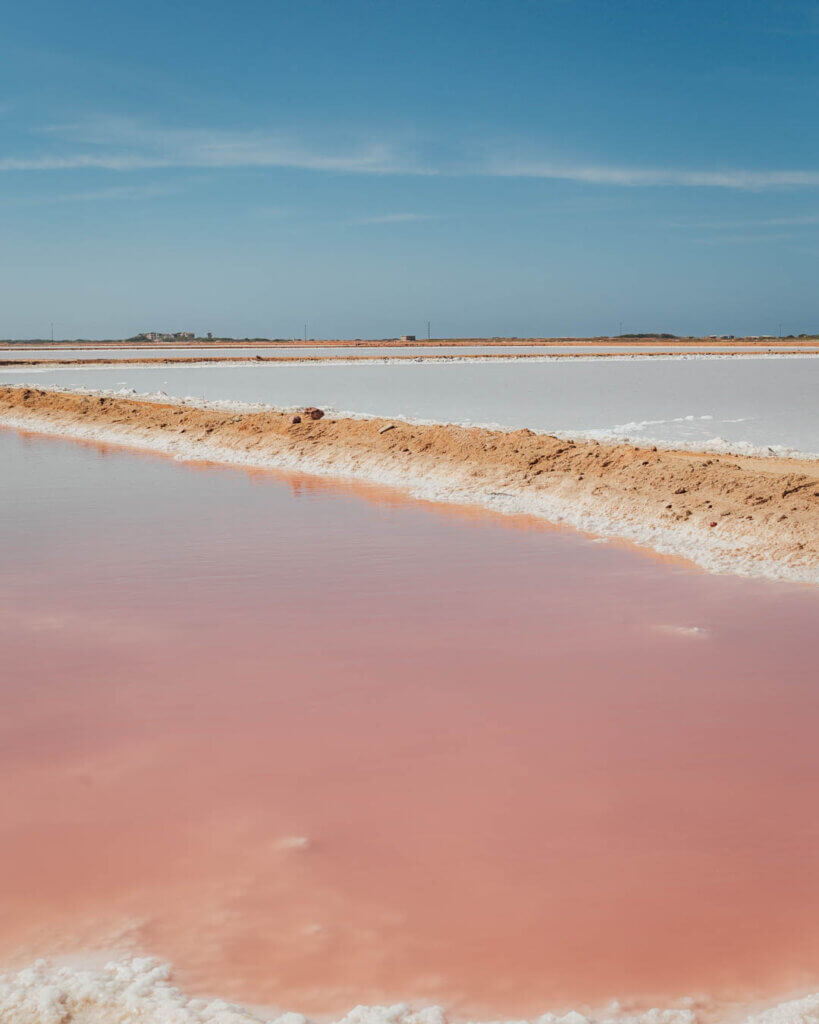
Start your day with a traditional Venezuelan breakfast and maybe even try ray for the first time! As tours aren’t really a thing, you can ask your hotel if they can put you in touch with a trusted taxi service. From Adicora it’s about a one-hour ride up north that will lead you past lagoons full of flamingos, pinkish salt flats (and kids who want to explain you the history of it), abandoned hotels and long stretches of sand.
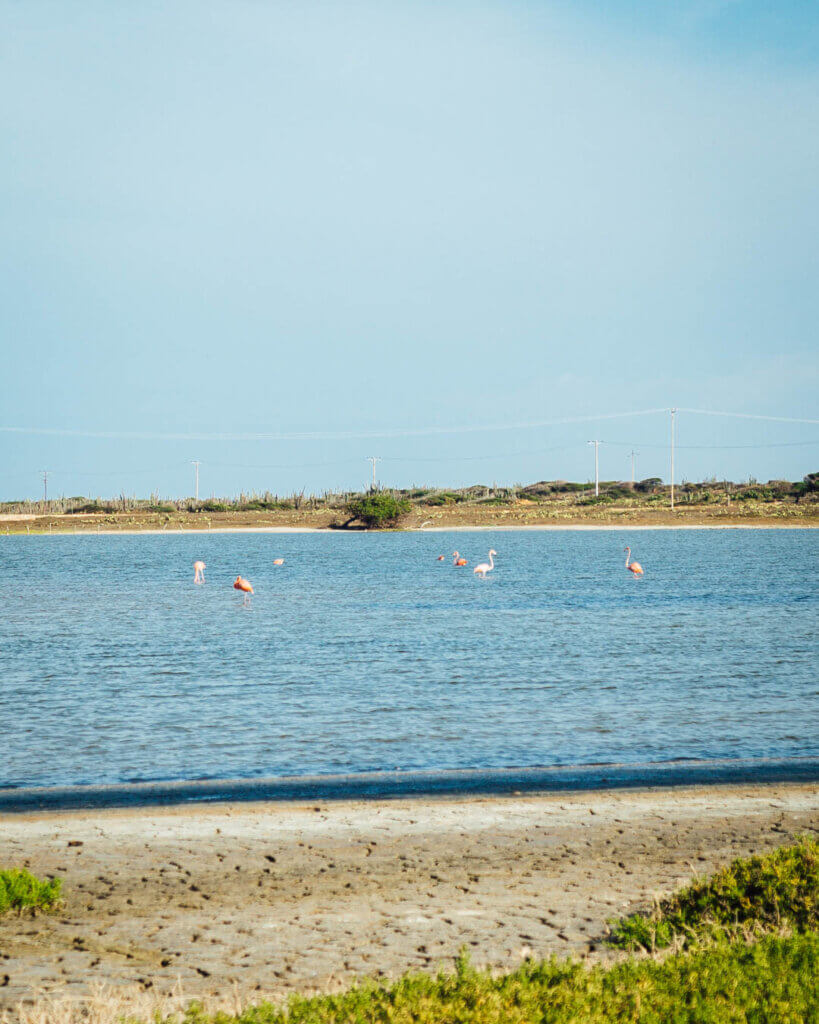
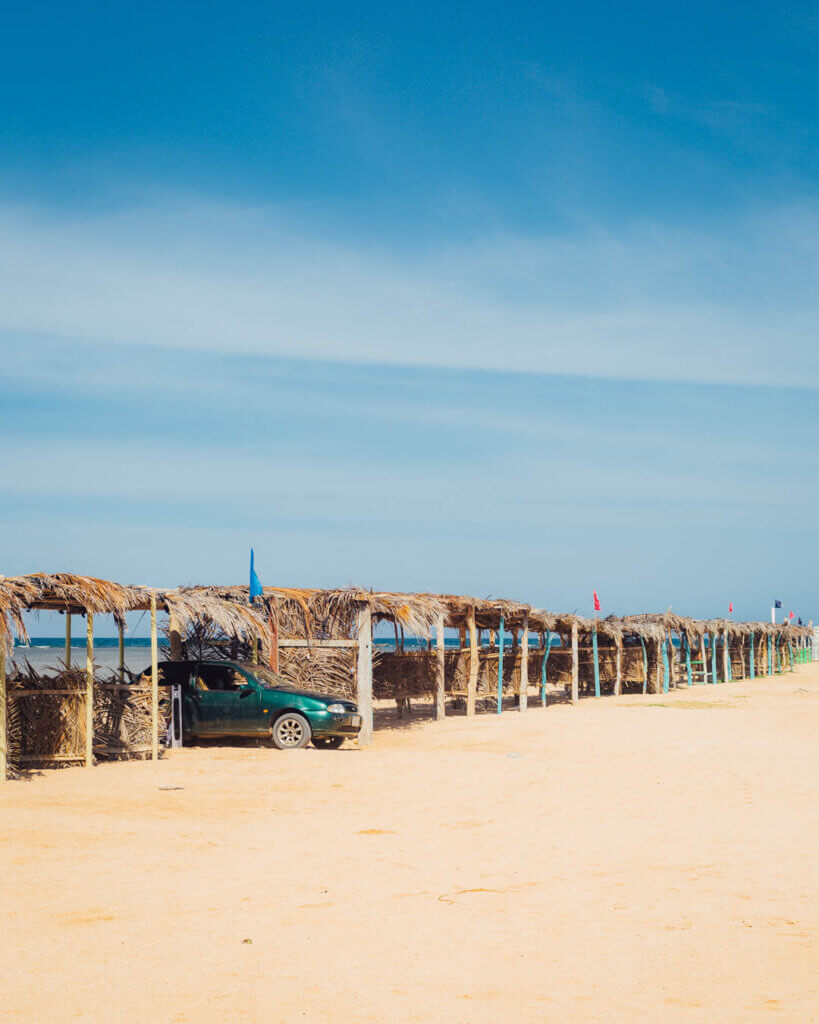
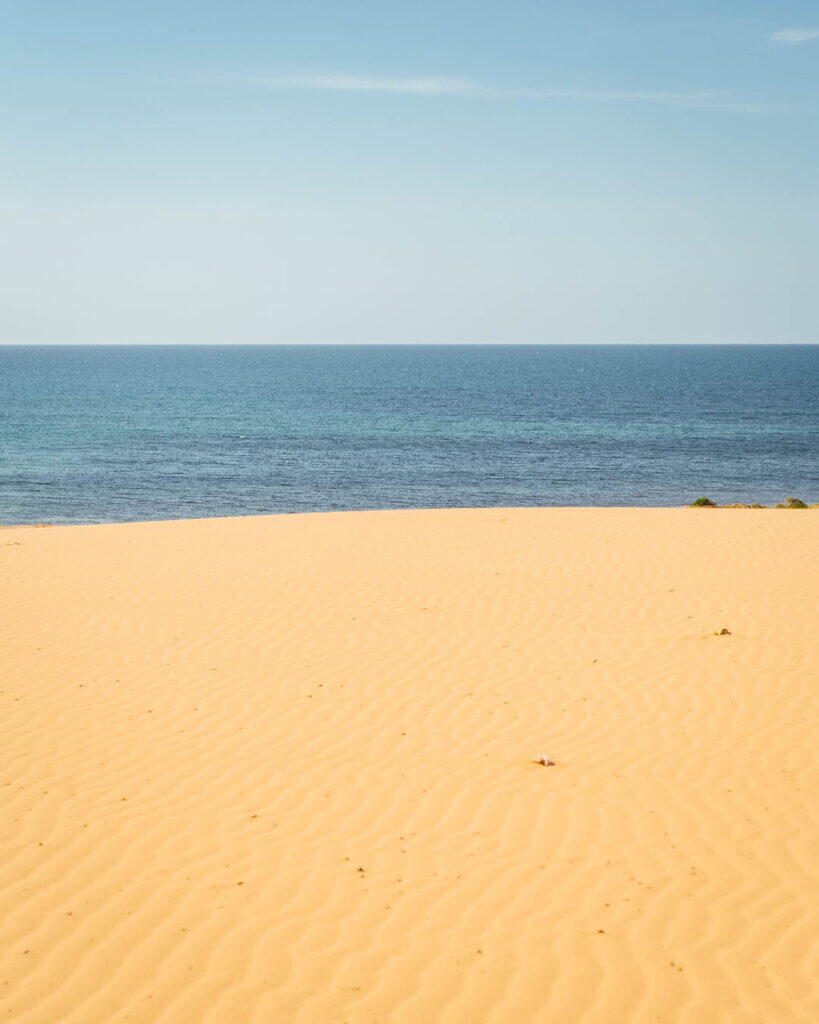
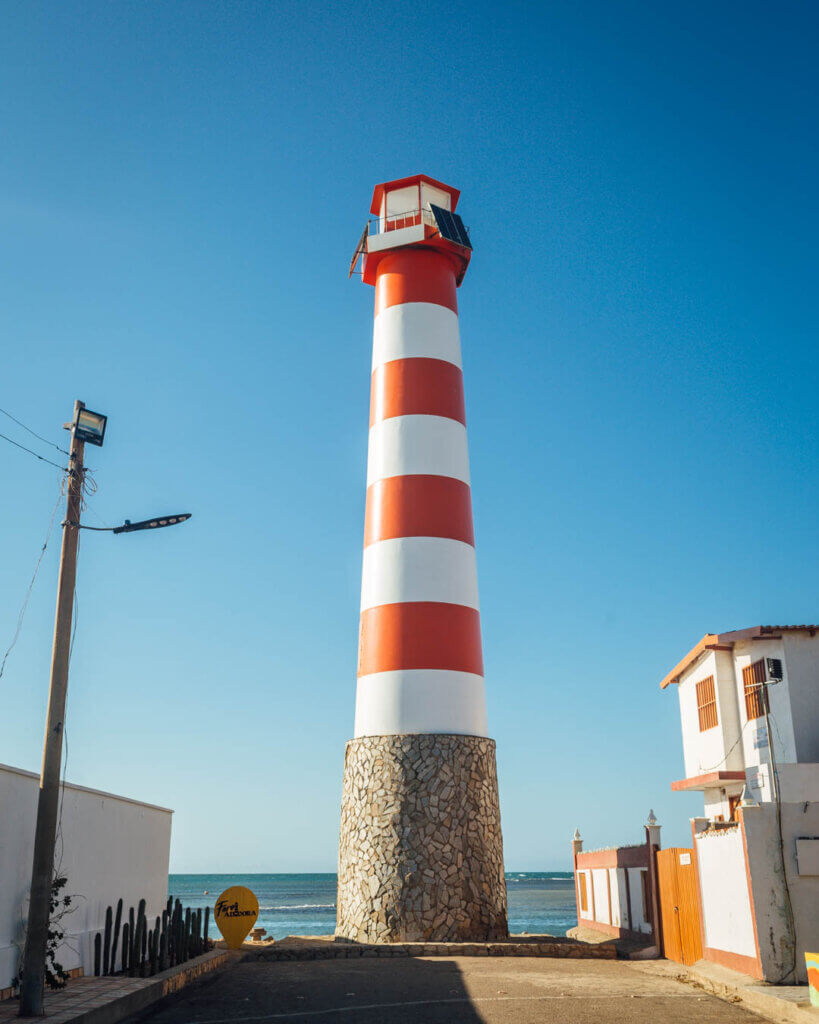
If you reach the lighthouse, you have officially made it to the most northern point of Venezuela. On a clear day, you can even see Aruba in the distance. Drive a little further and you will encounter a single, large sand dune – right by the ocean and a top highlight of any Venezuela travel itinerary.
Head back home and take a stroll through the sleepy town. Its not unusual to hear that many of the colonial houses you see by the beachfront have or had owners from different countries.
To end the day, head to Posada Rosada Restaurant for some of the best grilled fish, patacones and sunset views! Expect to pay around 12 US$ for a fish and 2$ for two beers.
Day 4: Adicora
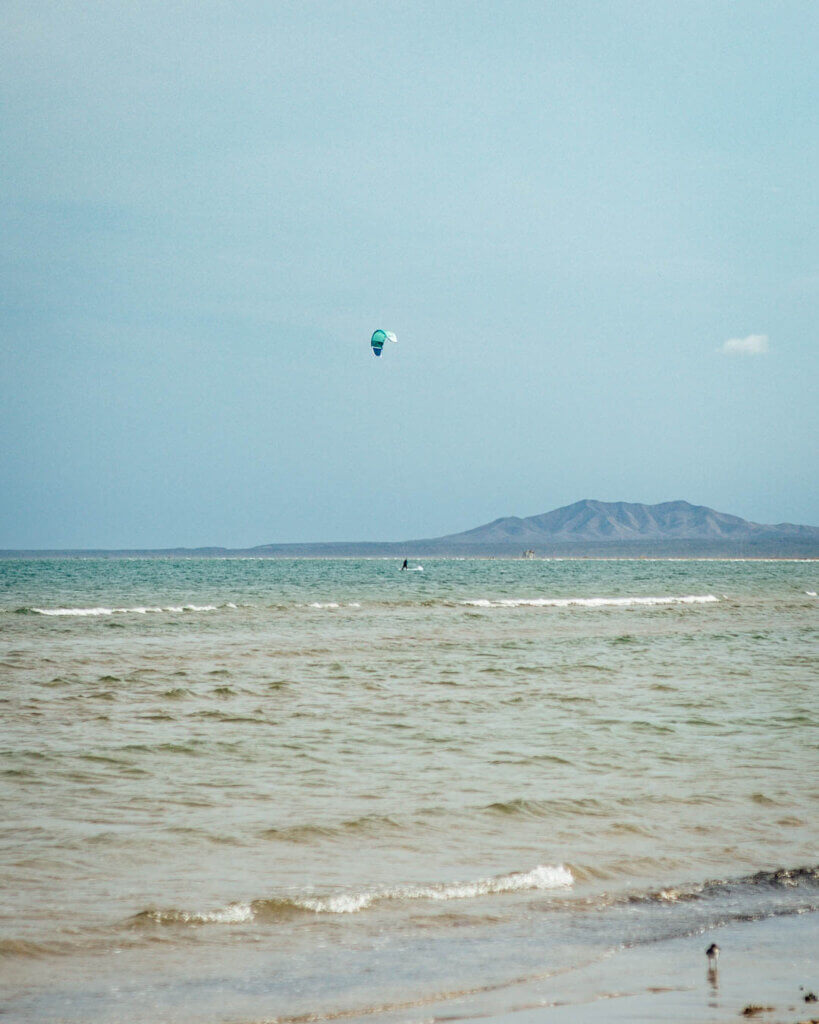
As Adicora is one of South America’s kite surfing hot spots, it should be on your list to try it out! Along the coast are many kite surf schools that offer introductory courses as well as packages.
In the afternoon, make sure to visit the local beach for some downtime and beautifu,l sheltered water to swim. There are many sunchairs you can hire and locals will likely flock to the beach once it hits 4 pm!
How to get from Adicora to Morrocoy
Taxi + Bus – right in town is a bus station that connects the peninsula with Coro. You can either wait for a bus to pass or take a shared taxi back to Coro which should cost about 5$.
In Coro, you will take a bus that heads towards Valencia, but get off at Tucacas. The bus will cost about 10 US$ and can take some 3-5 hours.
Day 5: Morrocoy National Park – Islands, Beaches & Mangroves
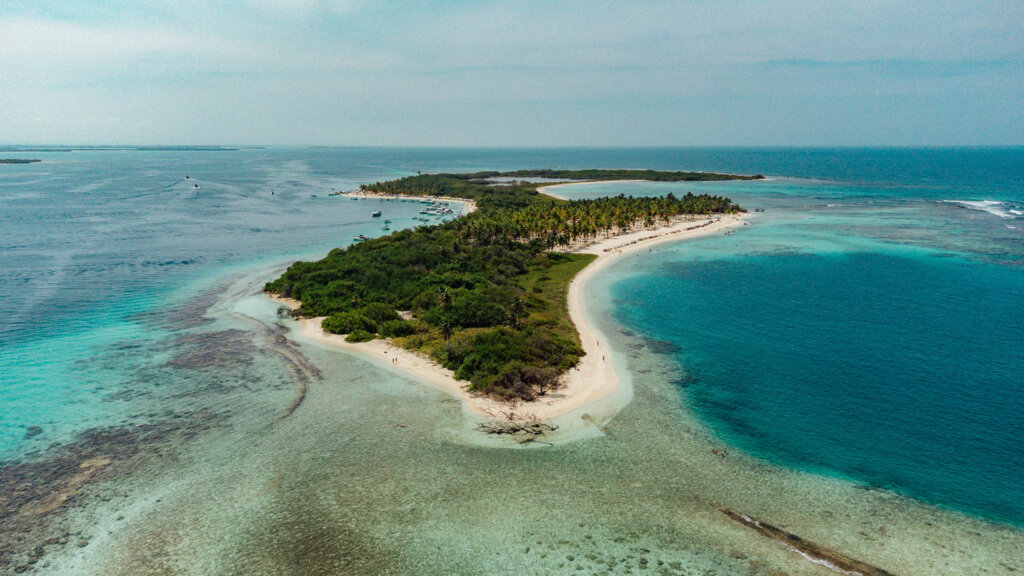
Situated on the Caribbean Coast of Venezuela, Morrocoy is a piece of heaven that you shouldn’t skip when planning your Venezuela travel itinerary. Its idyllic white-sandy beaches, crystal clear water, and tropical islets are what beach dreams are made of.
Adding Morrocoy to your Venezuela travel itinerary guarantees an unforgettable experience of sun-soaked bliss and natural beauty.
Where to Stay in Morrocoy for an Island Escape
Booking hotels that include transfers, dinner and extra experiences will highly improve the overall experience here in Morrocoy.
Located right on the water inside the National Park, this posada is the best choice for travelers who want comfort without the commute. Its prime location puts you minutes from the boat launches. Book your stay at La Ardileña if you want to skip the logistics and maximize your time on the islands. It’s the perfect blend of colonial charm and direct park access.
Tuqueque Lodge is the ultimate adventure hotel within the Moroccoy National Park. With only 3 cabins, this is as boutique as it gets. They serve the most wonderful breakfast, an elaborate 4-course dinner plus the tastiest coffee. I absolutely loved their attention to detail, their personalized service and how they made me feel so at home.
A two-night stay in this eco-luxury lodge gives you access to an excursion in their private speedboat, including a cooler with beverages & drinks for the day.
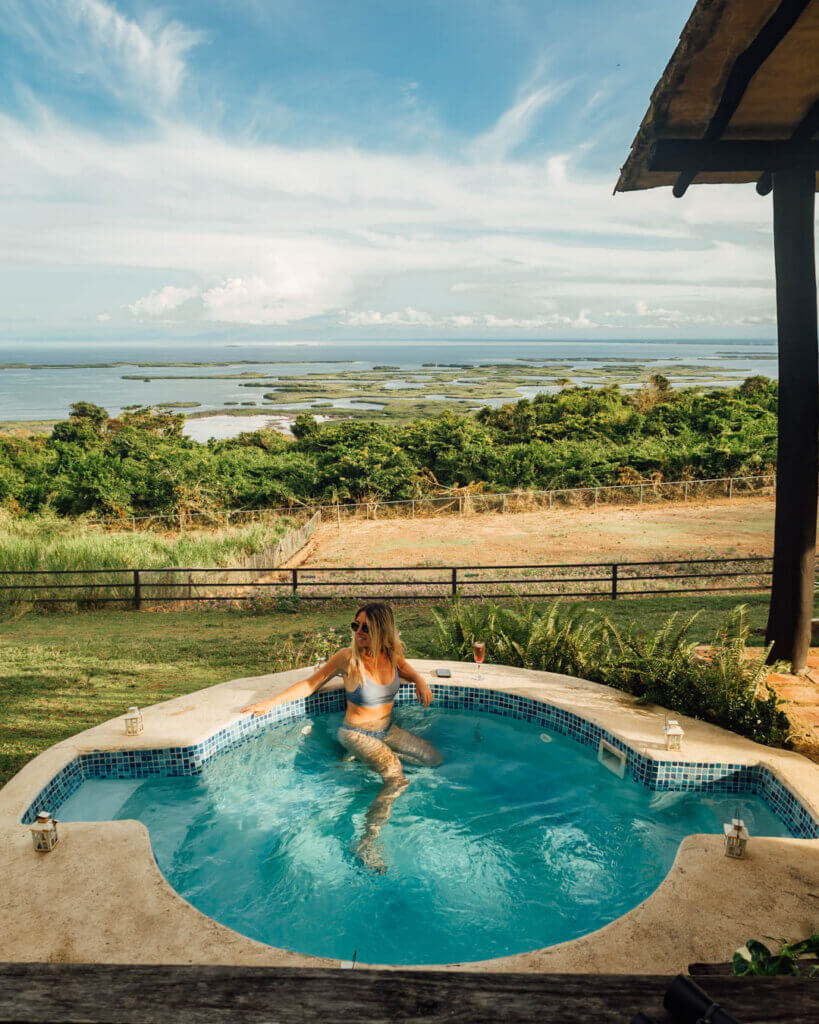
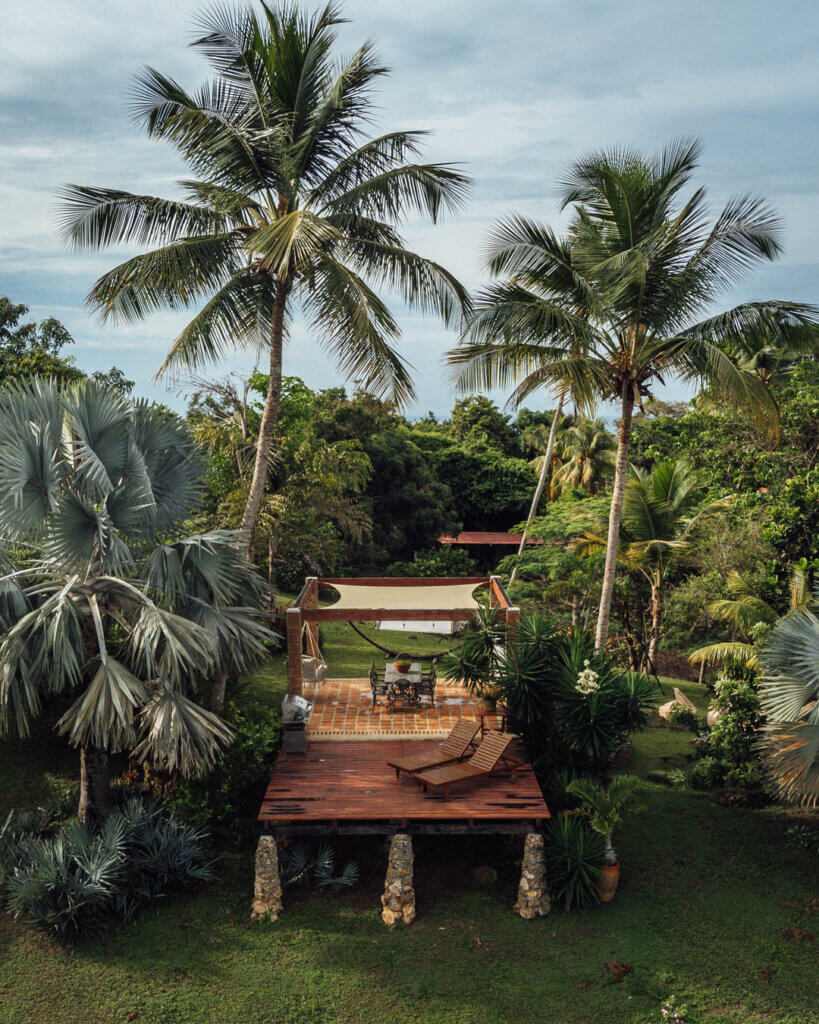
El Solar de la Luna is a fabulous choice if you value sustainability and want a transfer included to explore the nearby Cayos. Greeted by owner Pedro, you’ll be staying in one of 7 uniquely decorated rooms, all with an eco-focus. The service is impeccable, with Chilean wine, and a mix of Venezuelan or international dishes that vary from day to day.
Check available Hotels in Tucacas, Morrocoy Venezuela
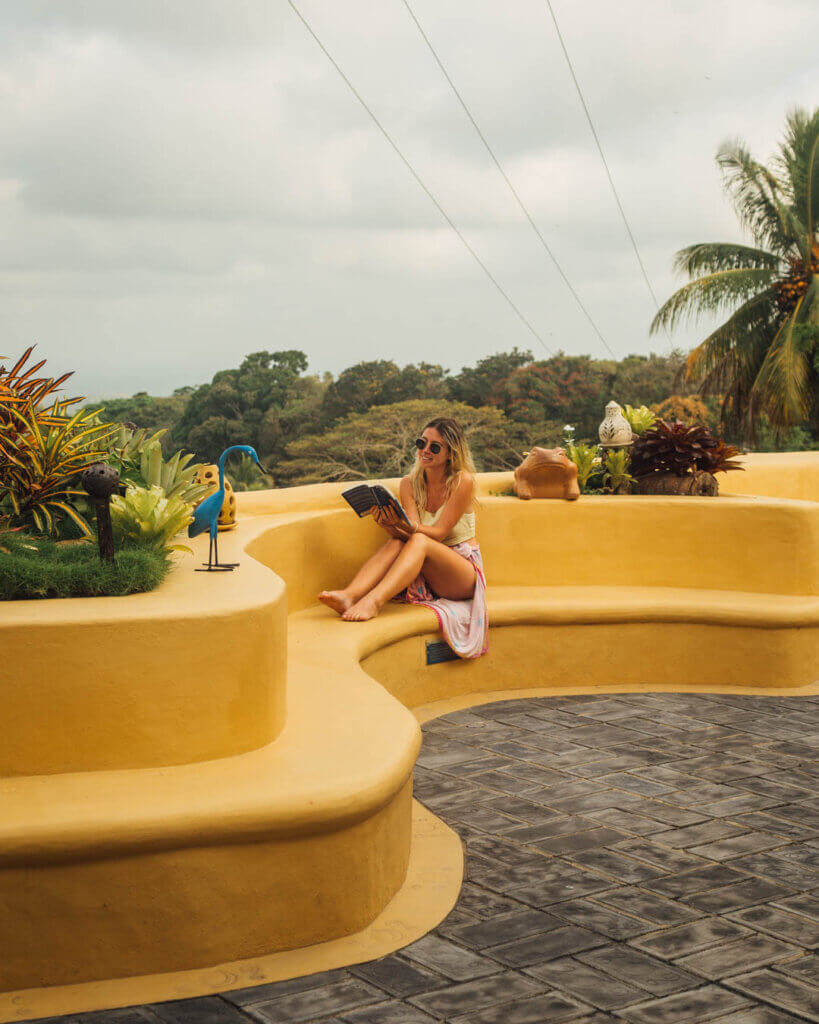
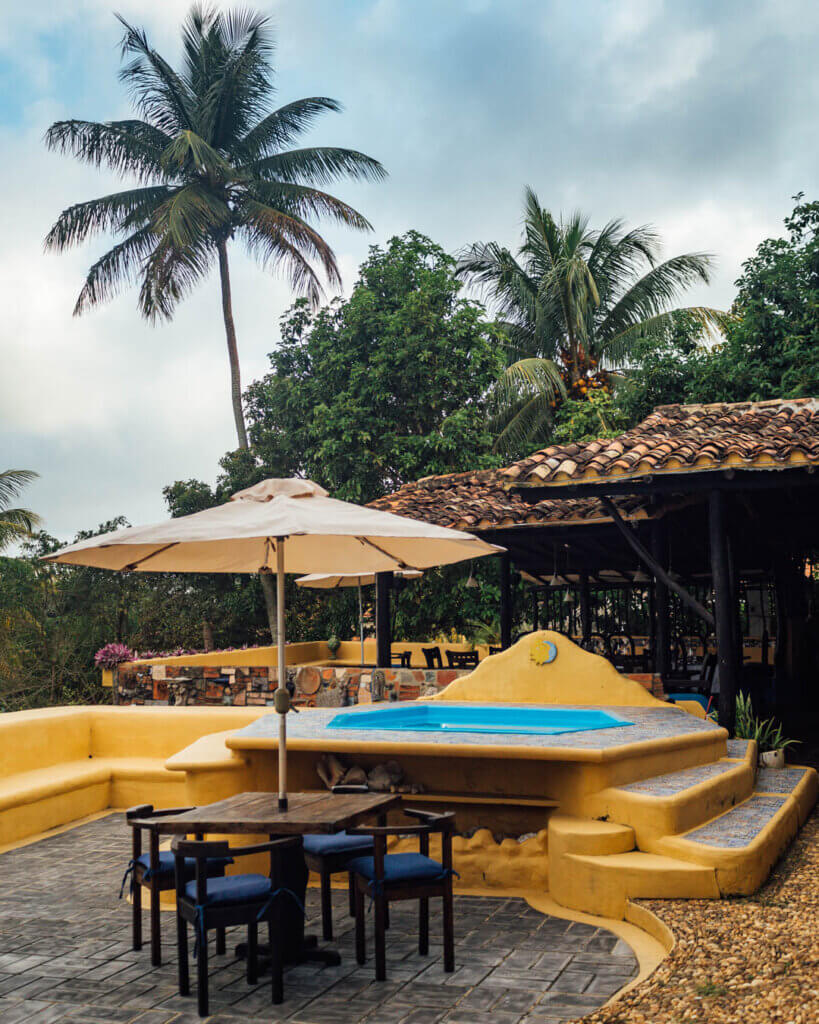
Day 6: Morrocoy National Park
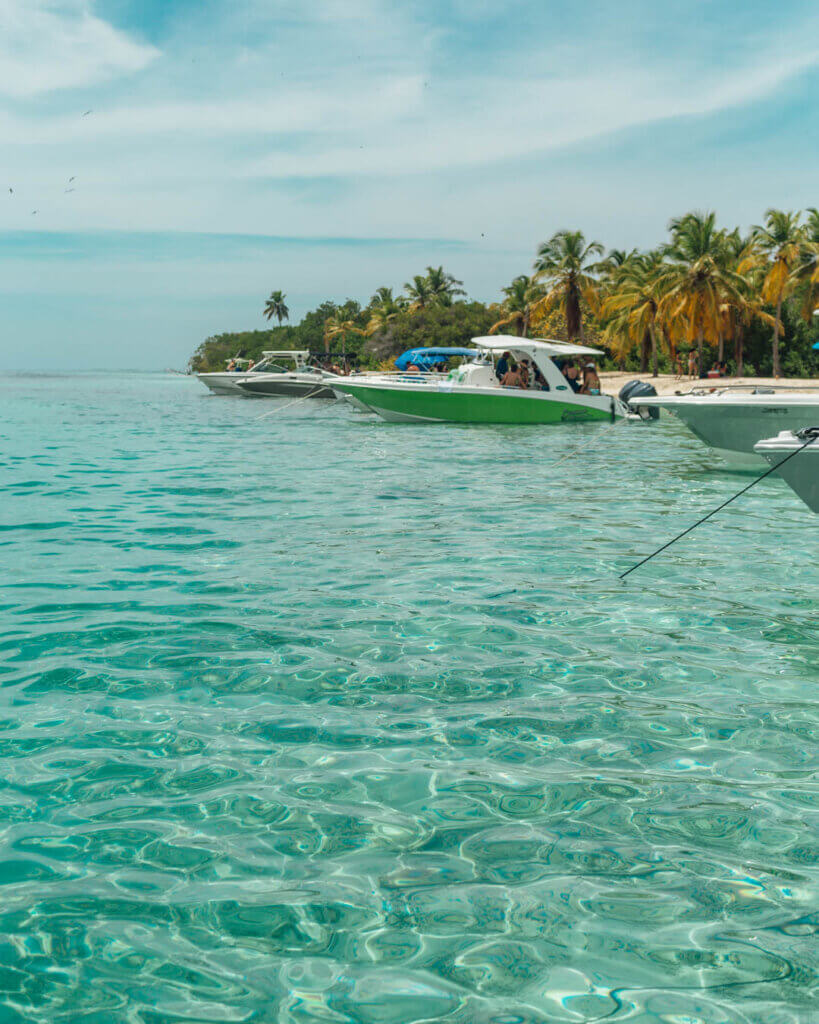
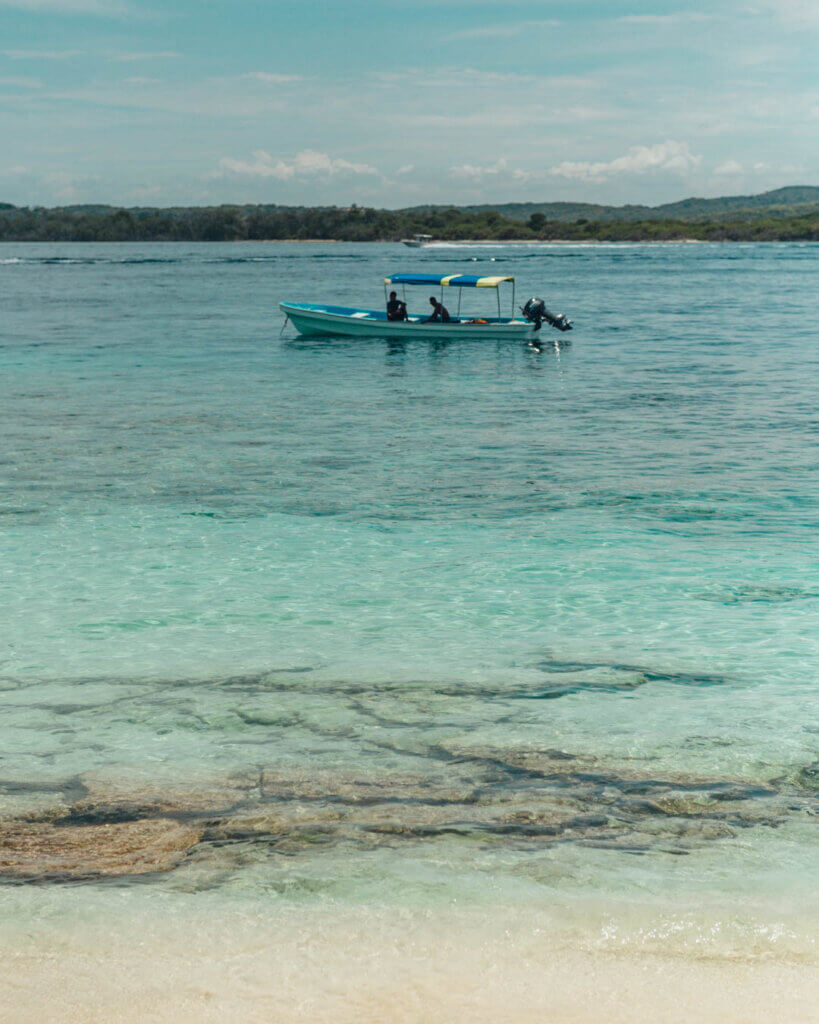
The Morrocoy National Park is known for its mangroves, tropical islets, and beaches near the coast. It’s from the park itself where the lanchas (speedboats) leave to visit the Cayos. Here you can either rent a boat yourself or join a public one.
Prices ranged from 70-100 US$ per day for the whole boat and depending on which island(s) you want to visit. The public boat costs around 10-20$ and visits only one island.
On your first day in Morrocoy, rent a boat or join a public trip to explore one of the Cayos. The locals’ top destination is Cayo Sombrero – and it’s truly stunning! Bring a cooler with some drinks and lots of reef-safe sunscreen and you’re good to go!
Return in the late afternoon to your hotel and unwind from a beach-filled day, salty hair and sun-kissed skin.
Day 7: Morrocoy National Park
Chichirivichi
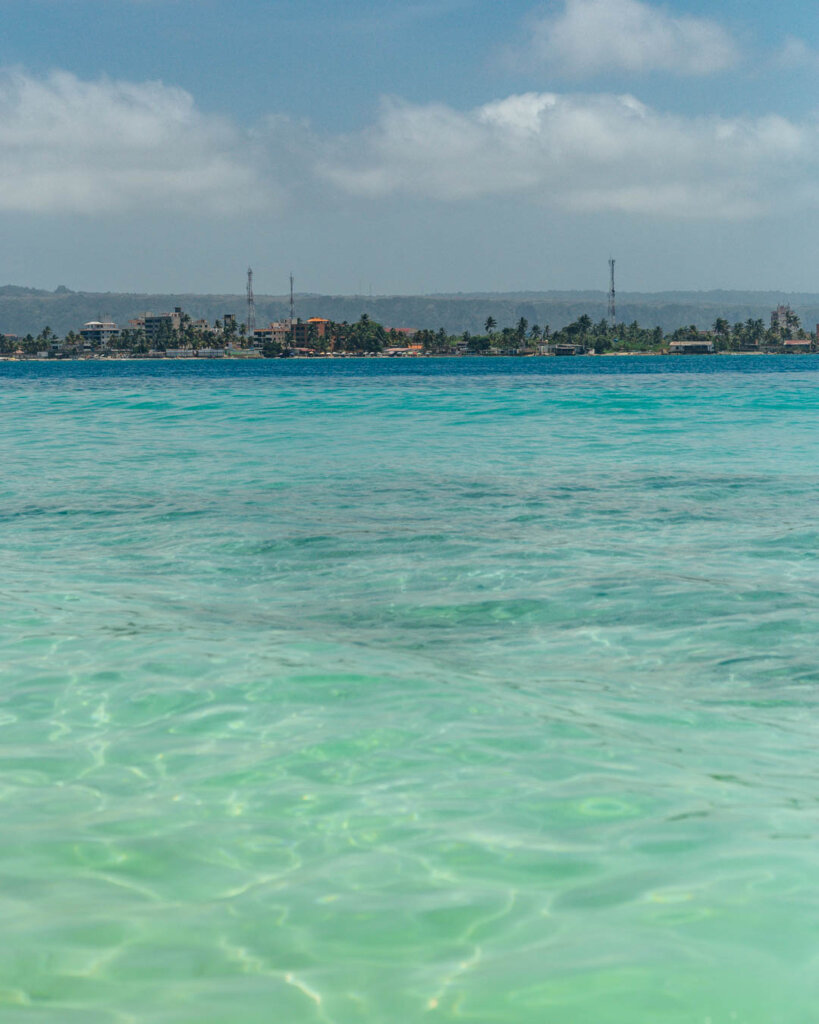
Chichiriviche, a nearby town to Tucacas and Morrocoy, is a popular alternative destination for Venezuelans. The town offers attractive package deals at hotels, which include breakfast, dinner, and a boat trip to nearby cays like Cayo Sal and Cayo Muerto. It’s a convenient and enjoyable option for a memorable getaway.
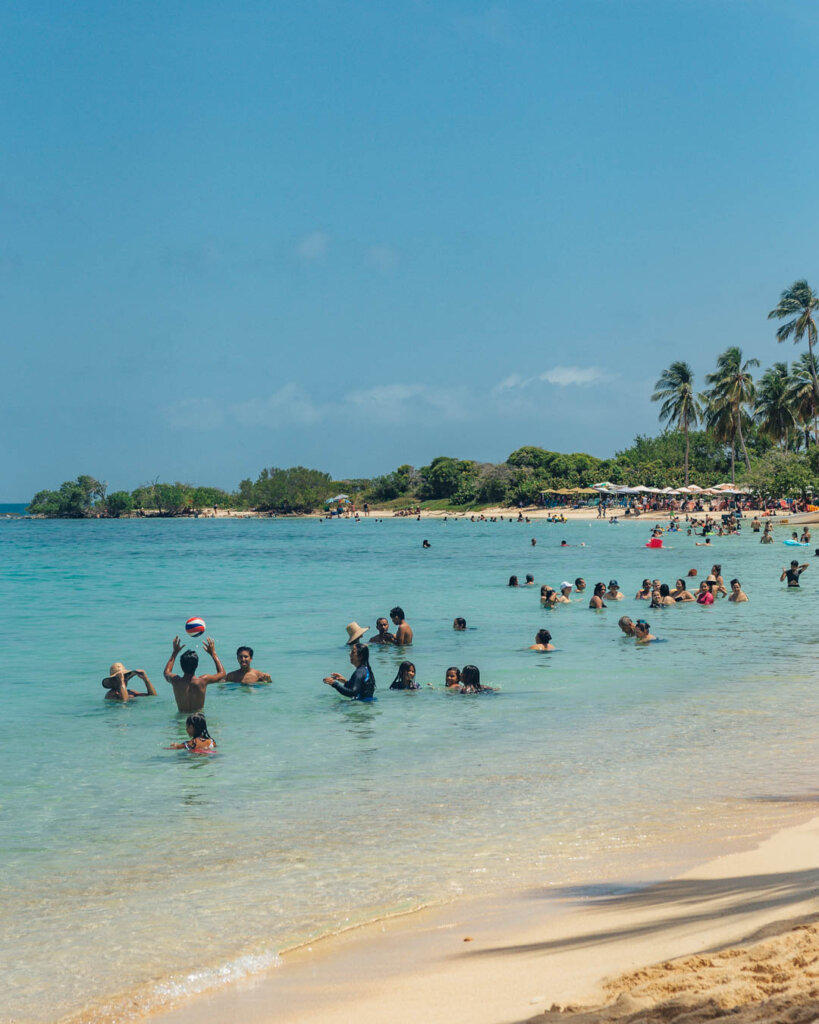
Cayo Sal is a fantastic Cayo to visit, featuring lots of shade from the palm-fringed beach to having watersport activities available. The beach is truly spotless and friendly vendors are selling Venezuelan oysters, drinks and other dishes.
I’d recommend you bring enough water!
How to get from Tucacas, Morrocoy to Puerto Cabello
Regular buses are heading from Tucacas towards the village of Moron. The ticket costs 2 US$ and takes about an hour. From there, you take another bus to Puerto Cabello, which should be another 2-3 US$.
I’d suggest contacting your hotel in advance and organizing for them to pick you up or send a trusted taxi.
If you have time in the afternoon, definitely head for a stroll along the promenade and marvel at the stunning house front. Walk towards the marina and visit Playa Sonrisa while sipping on some local drinks in the beach bars.
Day 8: Colonial Streets & Coastal Vibes
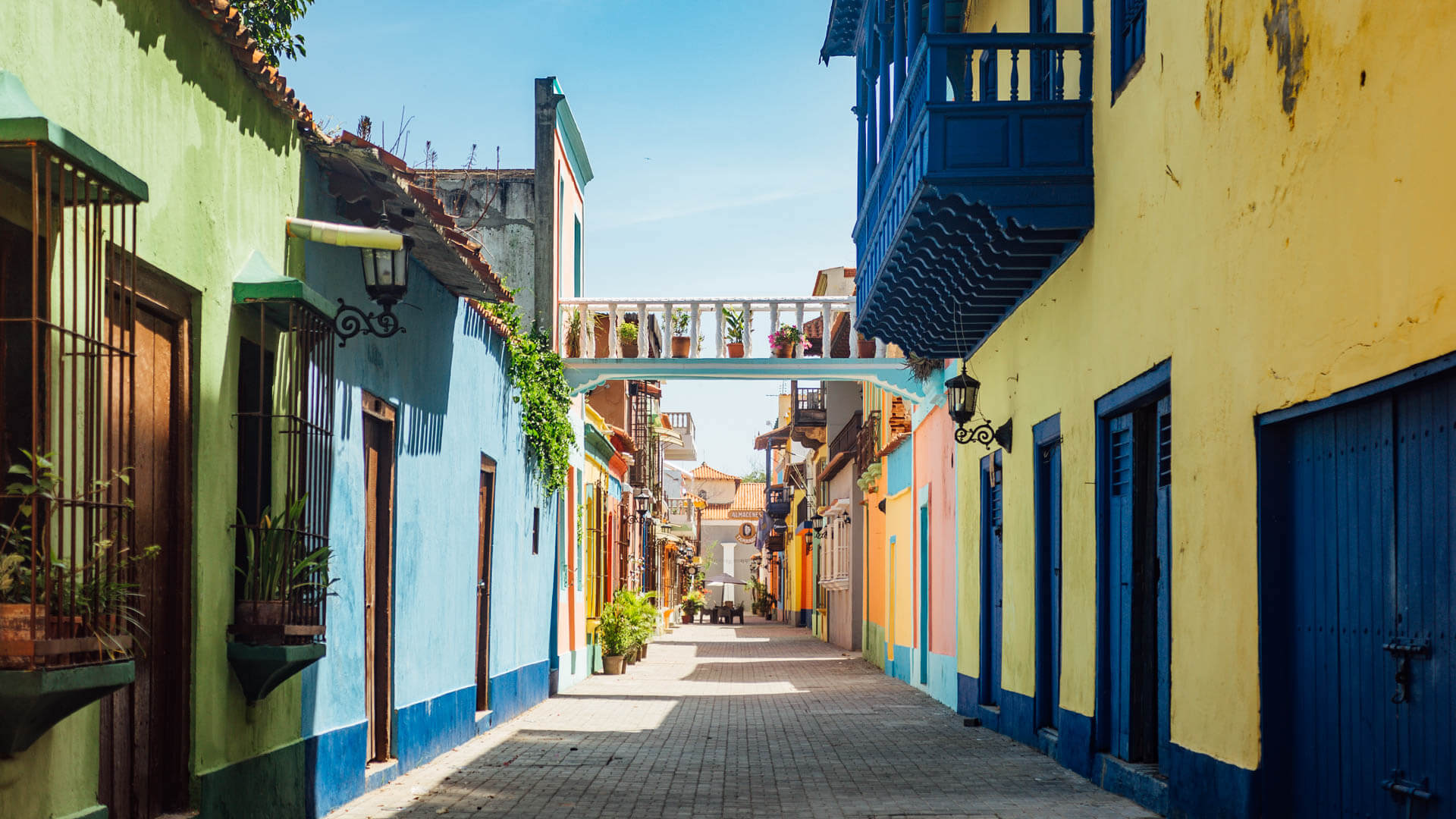
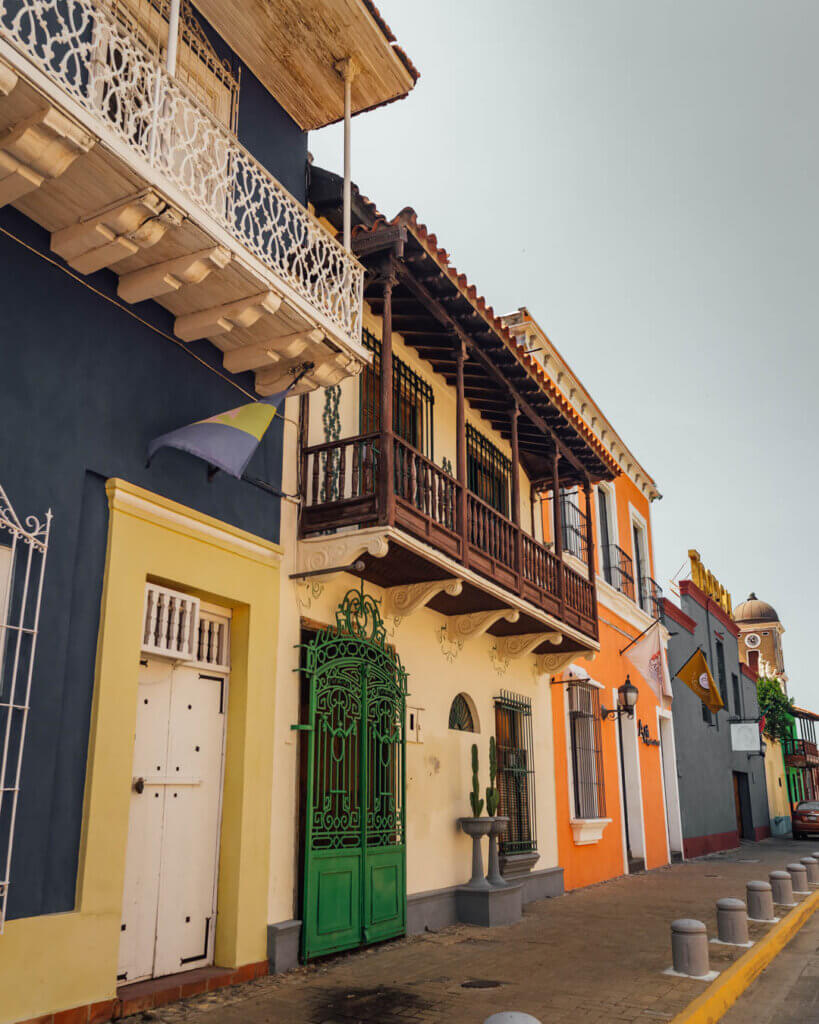
Many things didn’t come to mind when I thought of Venezuela, so discovering a picturesque seaside town with vibrant colonial houses was such a surprise. Little did I know that Puerto Cabello, a hidden gem on the Caribbean Coast, would become a highlight of my Venezuela travel itinerary.
With its charming architecture, stunning beaches, and historical center boasting houses that have withstood the test of time for over 400 years, Puerto Cabello is a must-visit destination on any Venezuelan travel itinerary.
Where to Stay in Puerto Cabello for Culture & Nature
Staying near the coast or in a central hotel makes Puerto Cabello a comfortable base for your beach days and onward travel, without needing to move accommodations constantly.
Located just outside Puerto Cabello, this hotel offers a peaceful retreat with easy access to both the coast and city transport. It is a modern choice featuring clean rooms and exceptionally friendly service. Secure your room at Hotel Manantial if you are looking for a convenient and comfortable stopover while exploring the region or heading toward the nearby beaches.
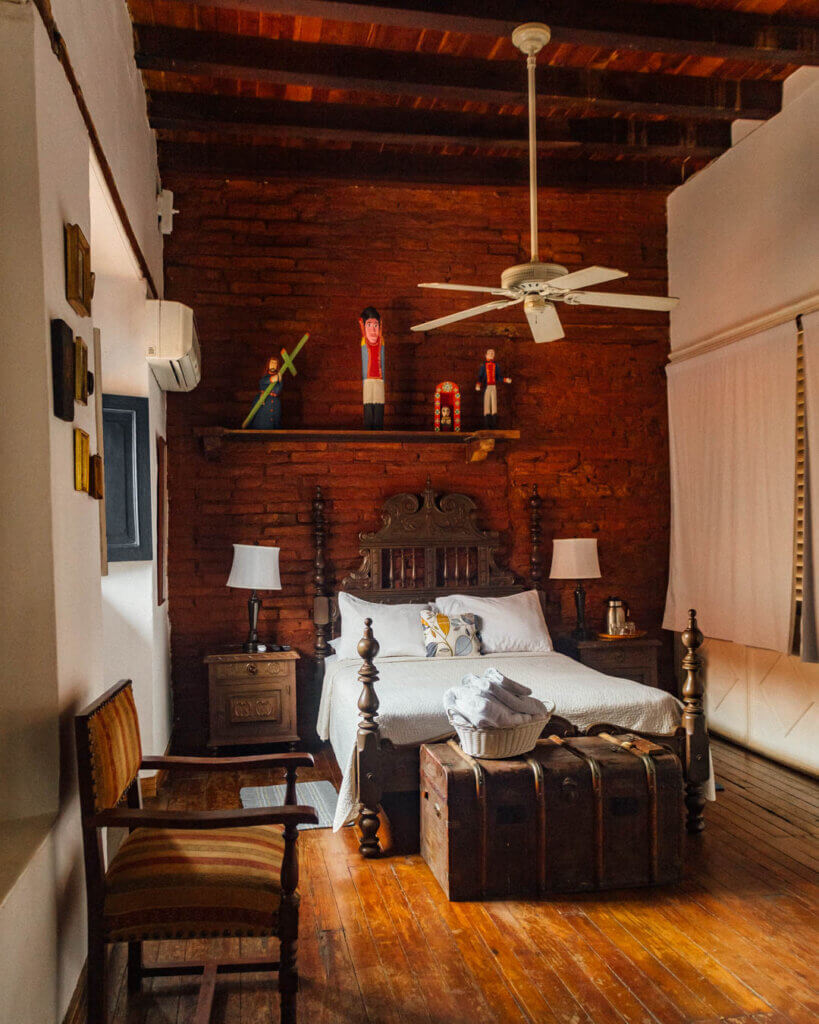
Posada Santa Margarita is a collection of three colonial houses that are more than 250 years old. From unique interior, princess-like rooms with treasure chests, a grand pool room, a terrace with an ocean view, and a pool – it’s one of the most unique places you can stay in. In your free time, have a look at their newly opened gallery that features the hotel’s owner’s father, an important figure in Puerto Cabello’s history.
Check available hotels in nearby Valencia
Day 9: Day Trip to Isla Larga
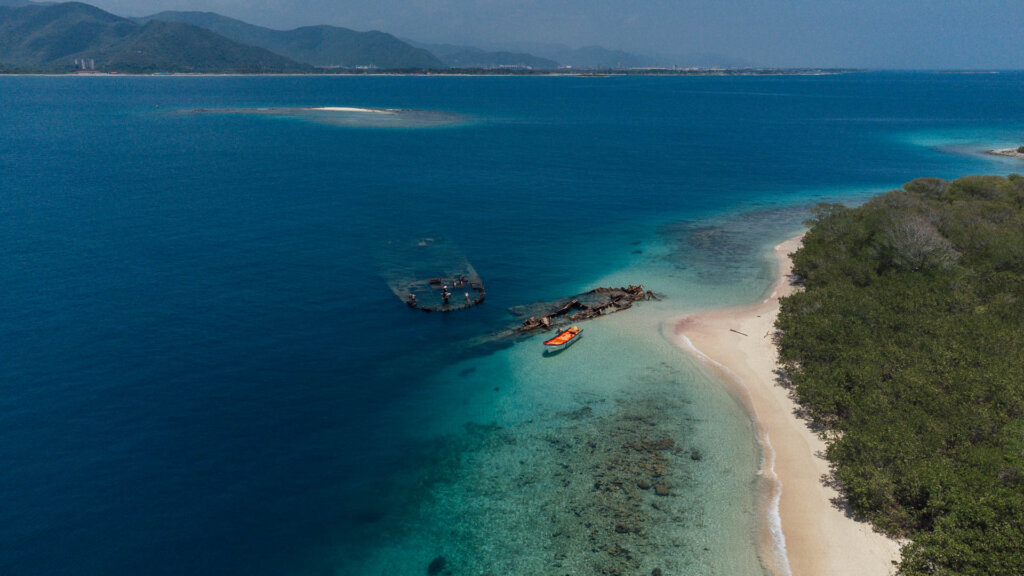
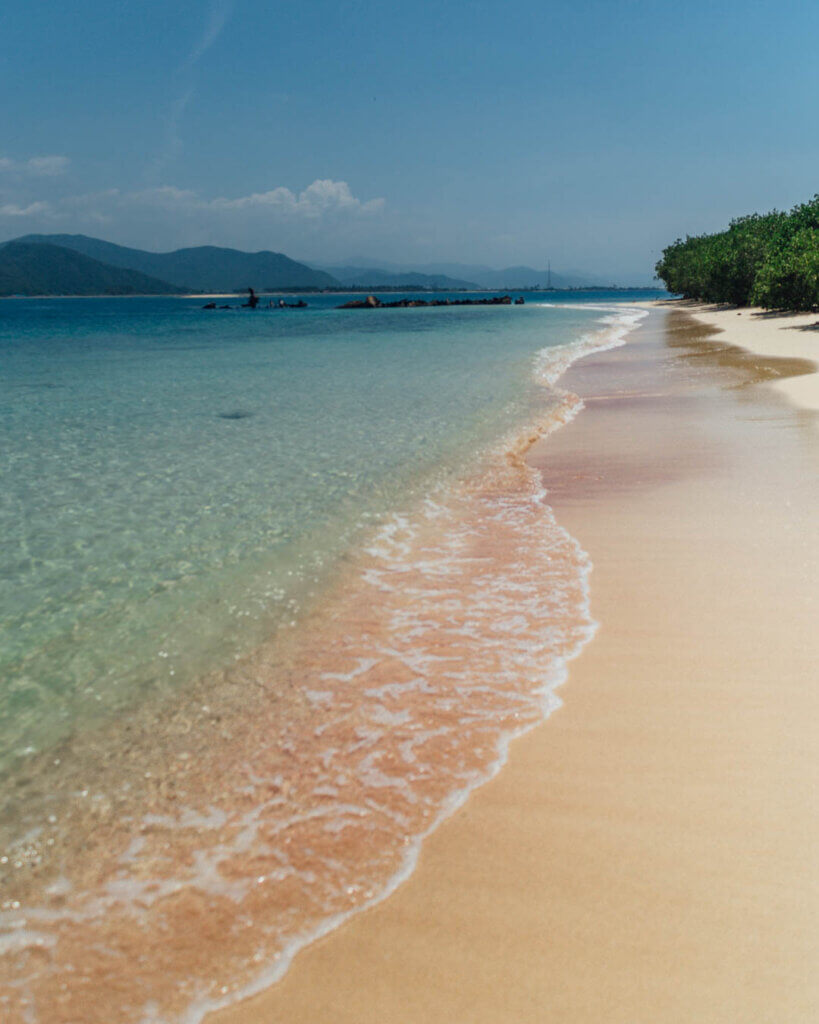
Isla Larga deserves an extra spotlight on your Venezuelan travel itinerary. This unique island, just off the coast of Puerto Cabello, boasts an incredibly idyllic, pink beach!
Two striking shipwrecks that are visible from the beach itself make this island one of a kind in Venezuela!
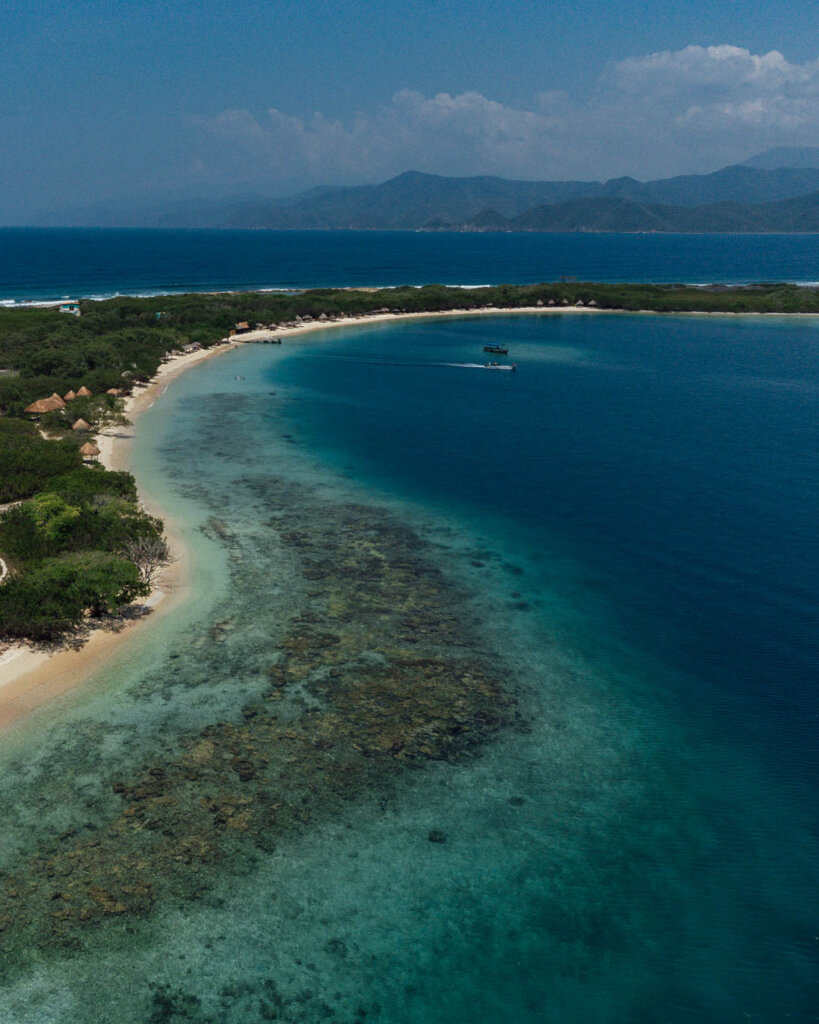
To reach the stunning Isla Larga, start your journey by taking a taxi or a local bus to the embarkation point in Ganango. From there, board a lancha – a small motorized boat – that will ferry you across the water to the island. The crossing itself is an exciting and adventurous experience, as the high reef acts as a natural barrier between the open ocean and the island.
For a fee of around 10 US dollars, you can enjoy a full day in this pristine paradise before the boat returns to pick you up around 4 pm, ensuring you have ample time to relax and explore the island’s wonders.
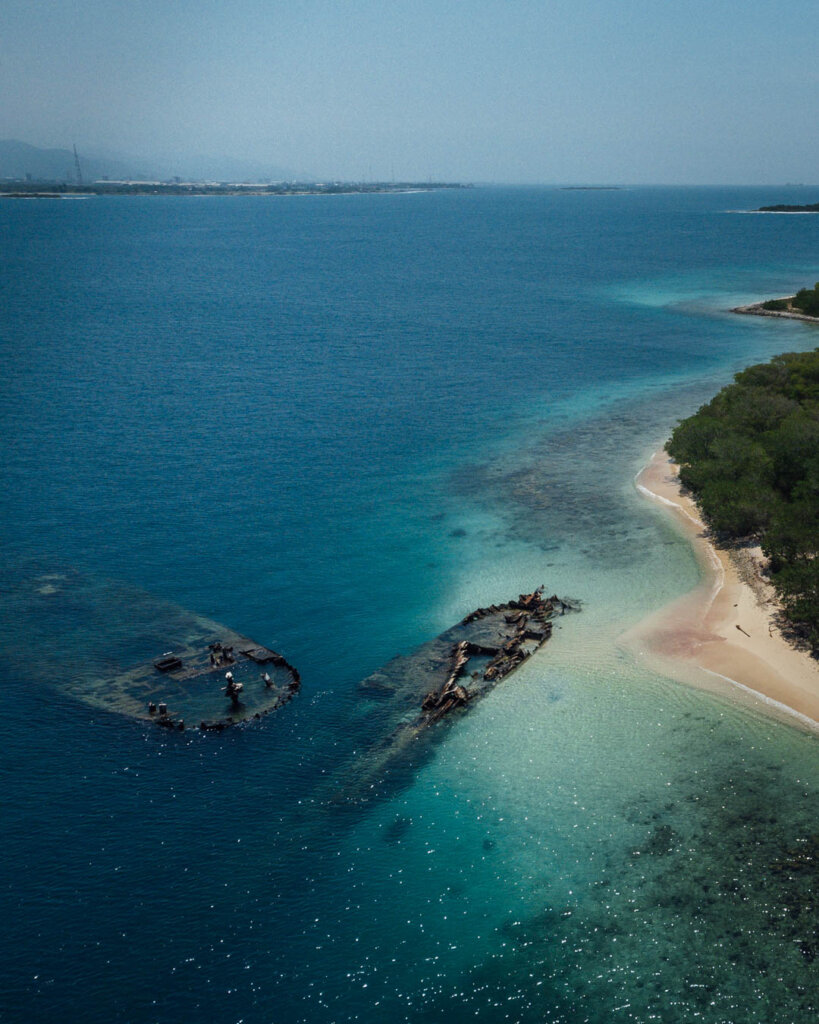
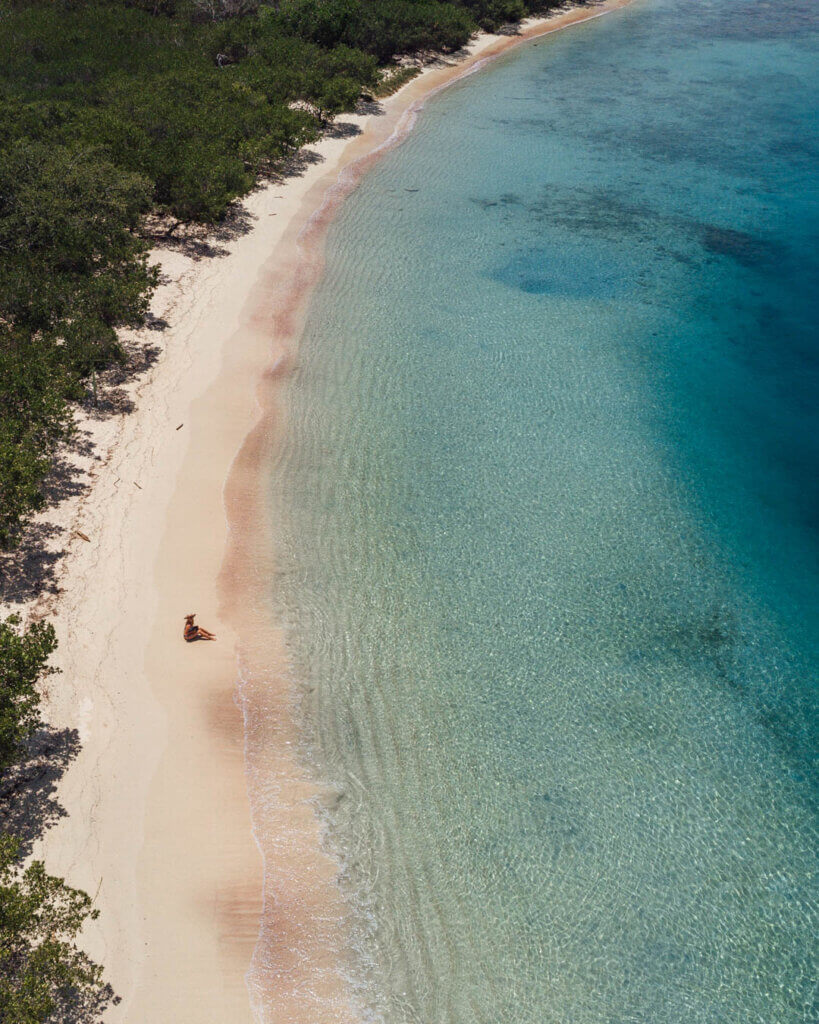
Upon arrival, find your ideal spot under the shade of the umbrellas, where you can unwind and bask in the island’s natural beauty. Alternatively, venture further towards the shipwreck area, where you can lounge under the trees and immerse yourself in the tranquil ambiance of the surroundings.
Don’t forget to bring your snorkel gear, as the highlight of Isla Larga is the opportunity to explore the captivating shipwrecks beneath the crystal-clear waters. Dive into the vibrant underwater world and witness the fascinating marine life that has made these shipwrecks their home.
Day 10: Explore Puerto Cabello and a Cacao Finca
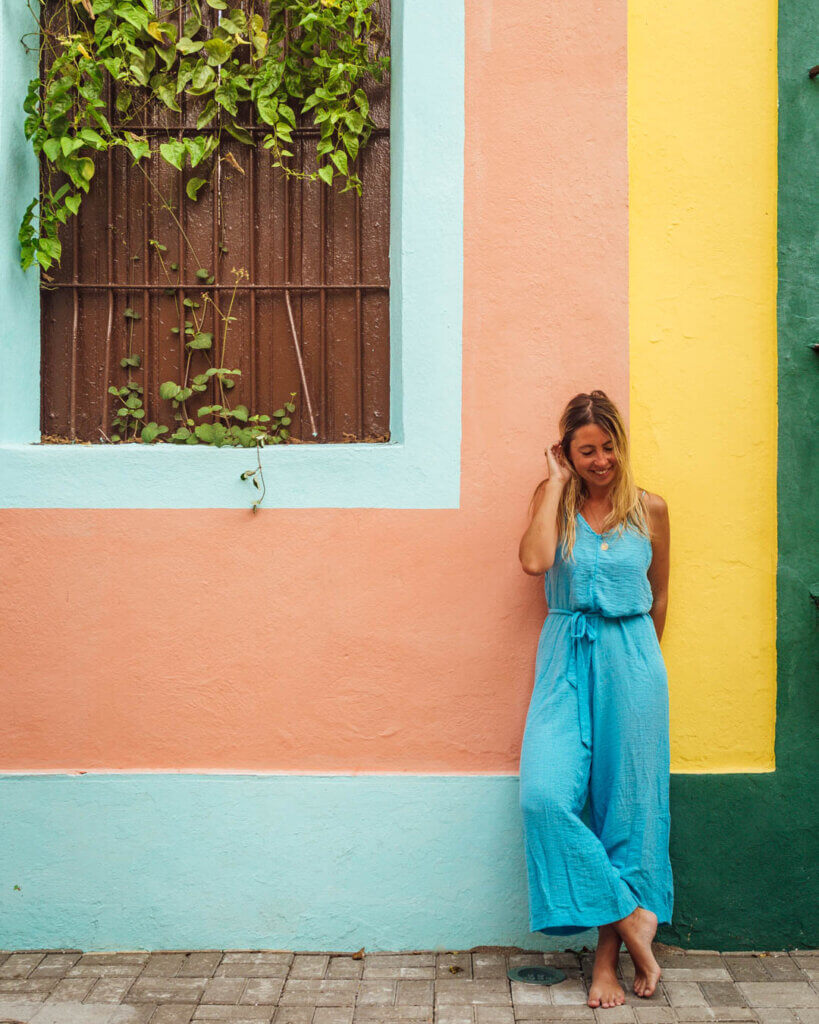
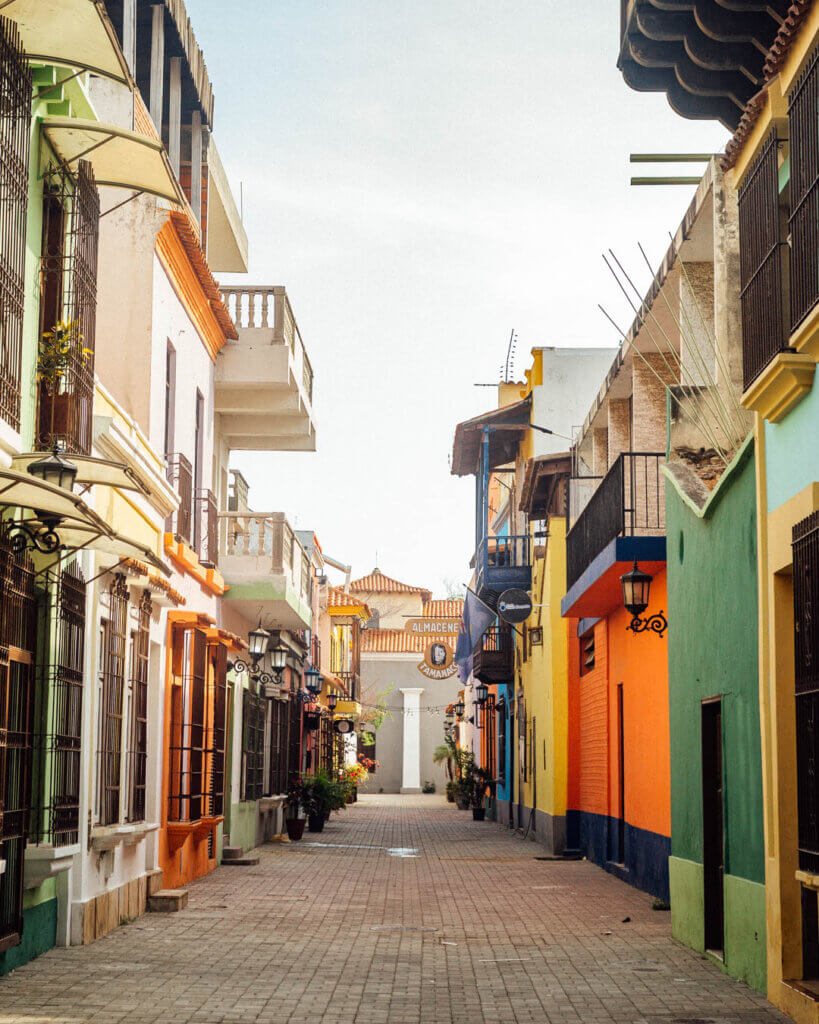
Begin your day in Puerto Cabello by exploring the charming historical center, which boasts a rich 400-year-old history. Take a leisurely stroll along the promenade, admiring the colorful colonial architecture.
For a unique cultural experience, make your way to the nearby stadium, where you can marvel at the colorful eco-marine mural crafted entirely from bottle caps. It’s a fascinating display of art and sustainability.
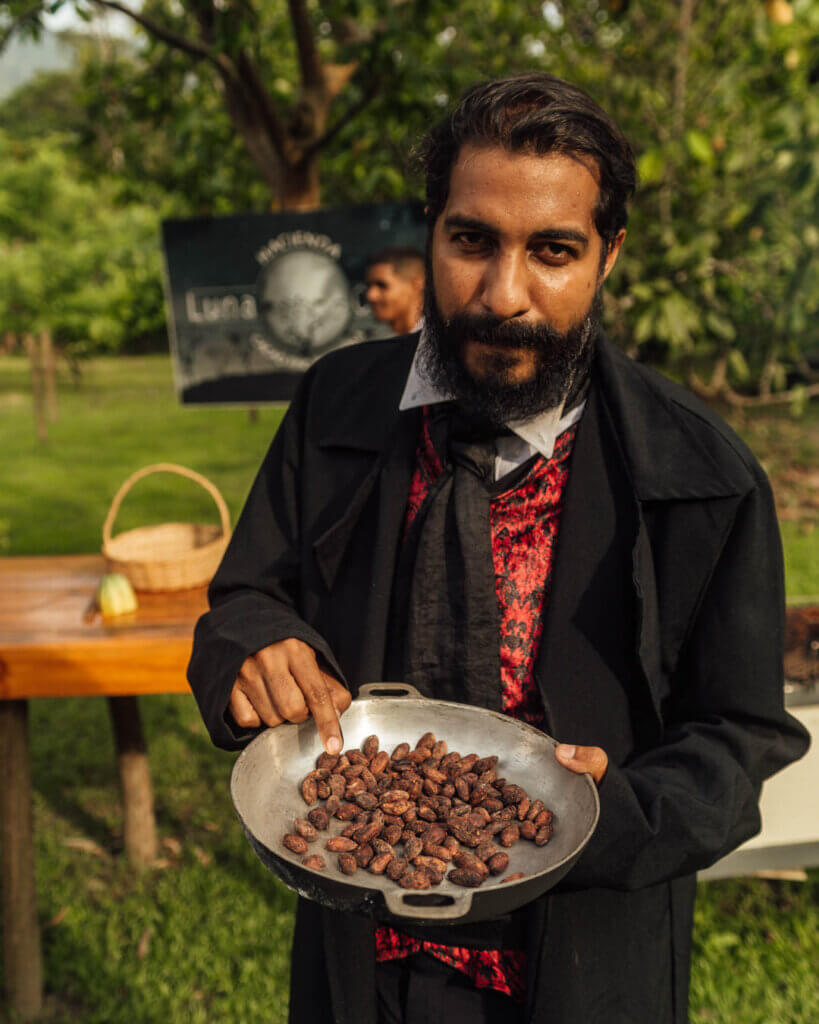
In the afternoon, venture out of the town and ascend the mountain to Hacienda Luna Clara, where you can immerse yourself in a captivating Cacao Experience, adding a unique touch to your Venezuela travel itinerary. This interactive experience takes you back to Colonial times, offering insights into the growth, processing, and roasting of cacao.
Learn about the traditional methods employed and savor the aroma of freshly roasted cacao. Indulge your senses by tasting the rich flavors of the roasted cacao and savor the final product, perhaps even with closed eyes. It’s a truly delightful experience that allows you to appreciate the journey from bean to chocolate.
Check the Parque Termatico out here @cacaolaexperiencia!

How to get from Puerto Cabello to Choroni
I suggest leaving Puerto Cabello no later than 10 am. Buy a ticket to Maracay or, if no buses are available, to Valencia. This trip should cost around 2 $US. In Valencia, change to a bus heading to Maracay. The trip will also be about 2 $US.
In Maracay, you have the option to take a public bus that heads to Choroni. Keep in mind these buses only leave when full and it can take a few hours if it’s low season. Alternatively, you can take a shared taxi for 7 $US.
The trip will take you about 3 hours through windy mountain roads.
Day 11: Choroni – Jungle & Beaches
Choroní is a small coastal town located in the Aragua state of Venezuela. It is known for its beautiful beaches, lush vegetation, and relaxed atmosphere, making it a popular tourist destination within the country.
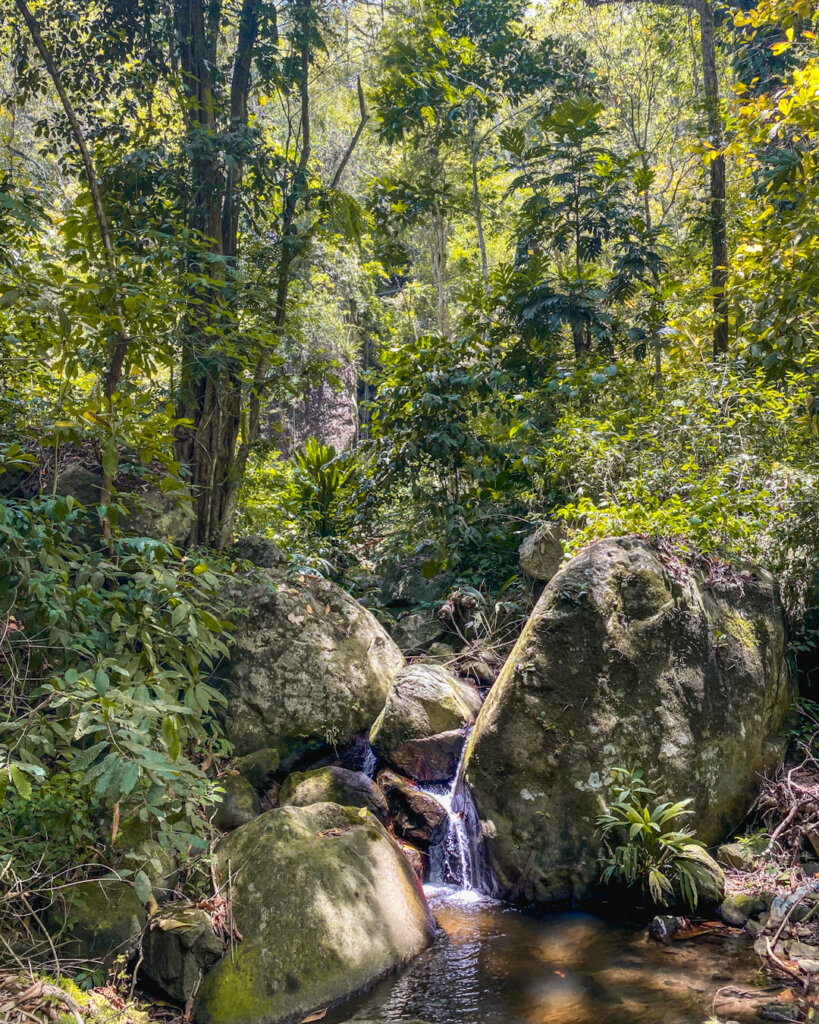
Choroni offers picturesque landscapes, including palm-fringed beaches, crystal-clear waters, and nearby tropical rainforests.

Where to Stay in Puerto Colombia, Choroni for Offbeat Nature Lovers
Choroní is ideal if you want a mix of Caribbean beach life and colonial charm without needing a car or too much planning.
Located just outside Choroní, this resort is the perfect retreat if you are seeking comfort before heading into the coastal jungle. It features spacious rooms and a beautiful pool area overlooking the golf course, making it a stress-free place to rest. Book the Marriott Maracay if you want a luxury stopover that makes arranging your onward transfer to Choroní simple and reliable.
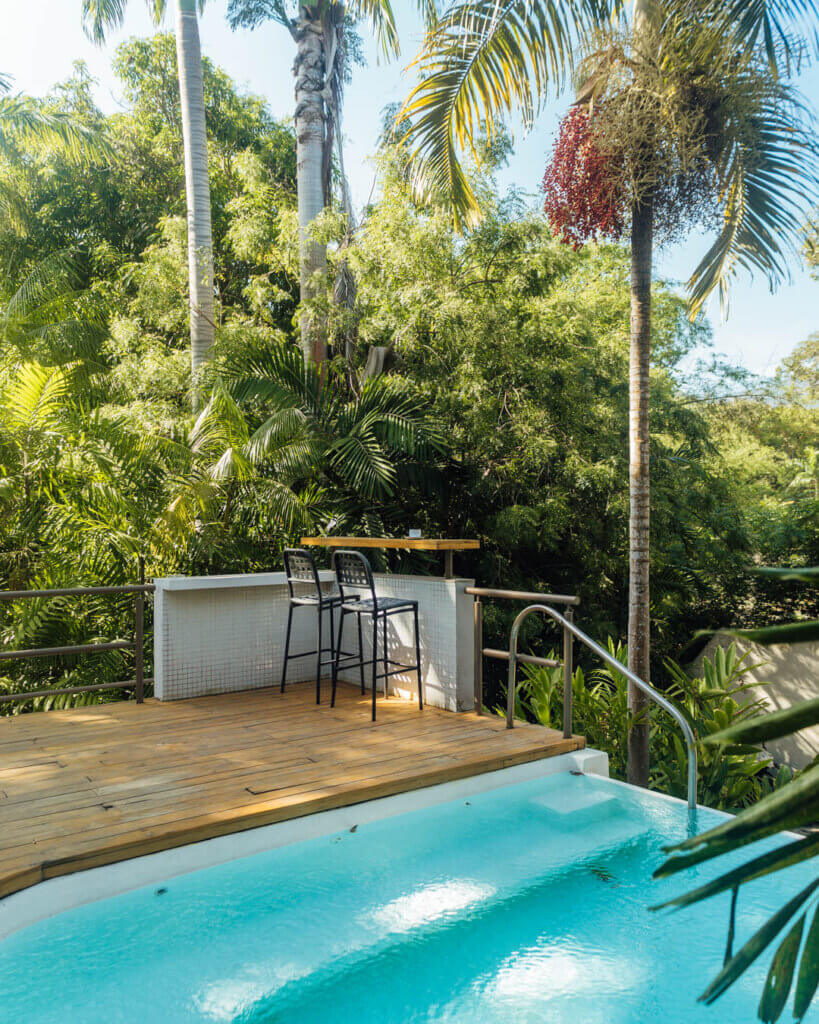
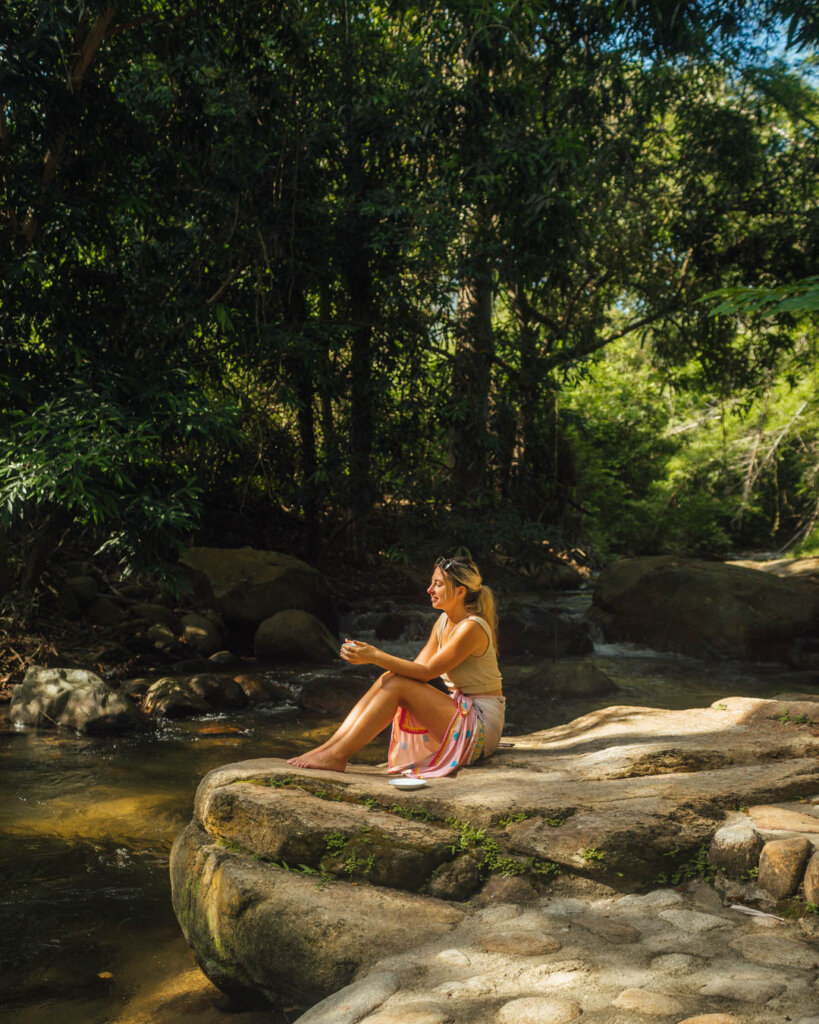
Posada Bequeve, situated in Choroni, sits by a river and is an absolute gem for staying in. Its original hacienda has been around for over 20 years, now combining the old with new elements. Your stay will include a delicious breakfast and fusion-inspired multi-course dinner that will leave no room for wishes! The unique decoration, its focus on sustainability and the wonderful staff make this posada a true highlight on every trip to Choroni!
Explore available hotels in Choroni and Maracay, Venezuela.
Day 12: Choroni
The town of Choroni, nestled amidst lush tropical vegetation and dense forests, sets the stage for unforgettable outdoor adventures as part of your Venezuela travel itinerary. The nearby Henri Pittier National Park, Venezuela’s oldest national park, offers opportunities for hiking, birdwatching, and exploring the diverse flora and fauna of the region.
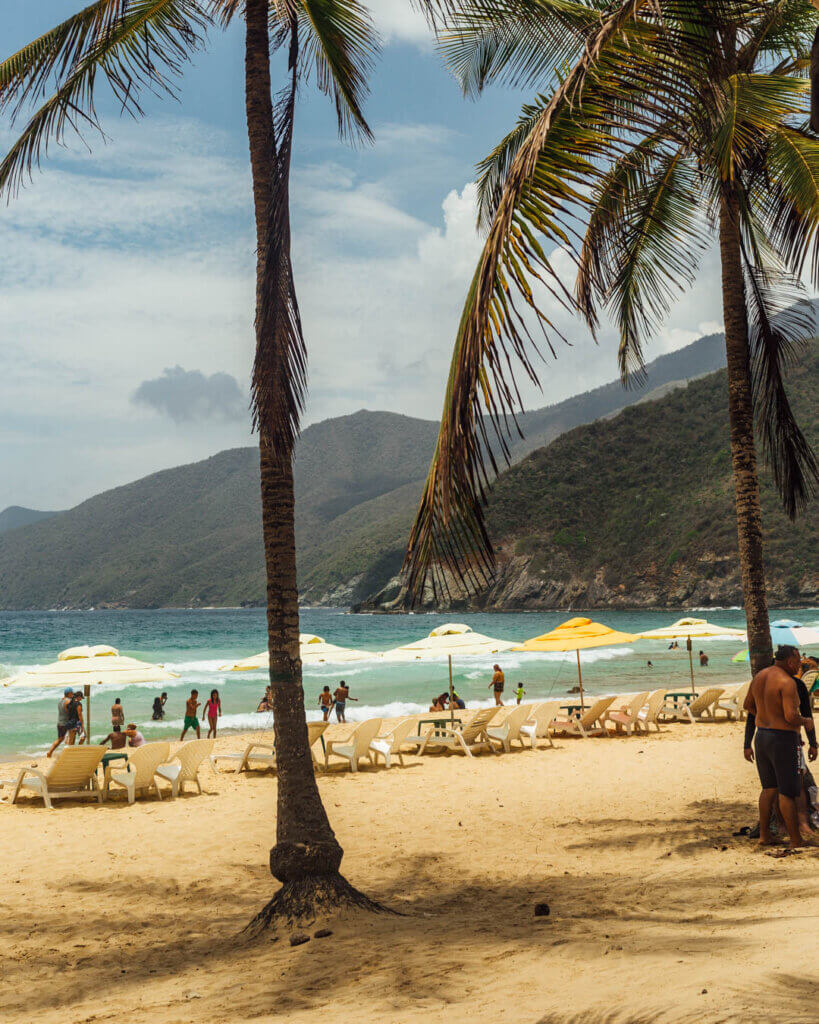
Choroní is known for its breathtaking beaches with turquoise waters and powdery golden sands. In the morning, don’t miss the chance to visit Playa Grande, the main beach in Choroni, where you can soak up the picturesque scenery, swim in the inviting waters, and bask in the warm sun.
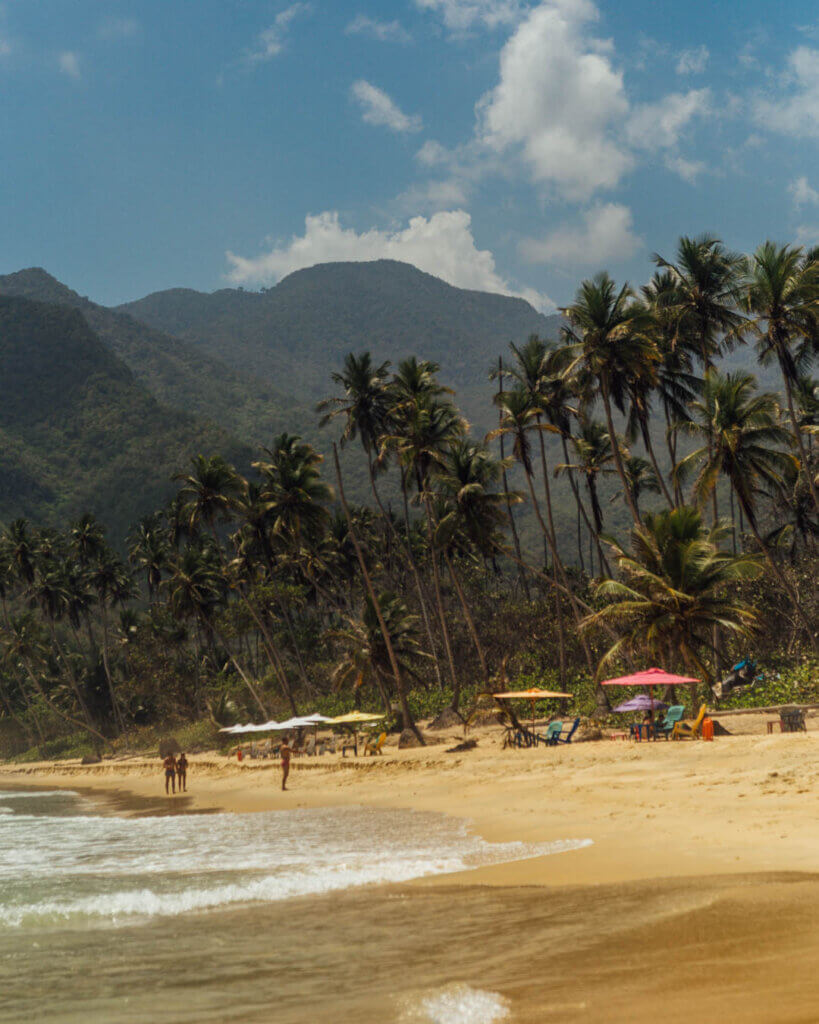
In the afternoon, head to its quaint town center. Choroní’s town center features charming colonial-style architecture, with colorful buildings, cobblestone streets, and small artisan shops. Exploring the town’s narrow streets and interacting with the friendly locals can provide a glimpse into the region’s history and daily life.
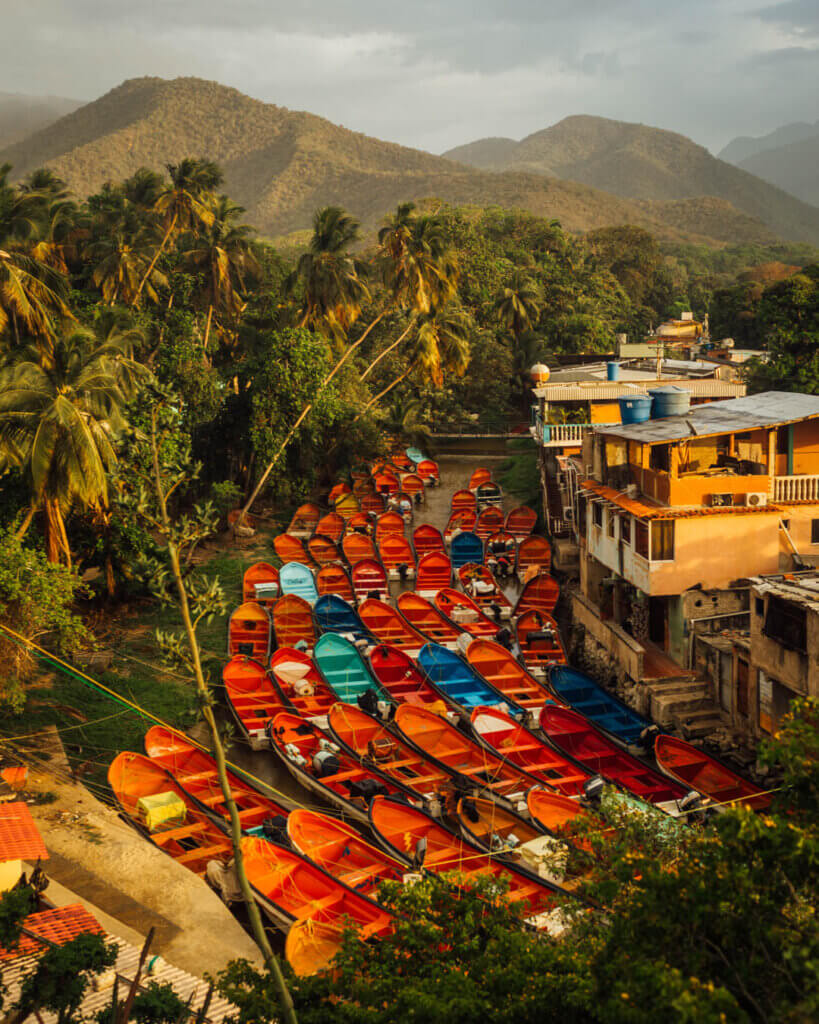
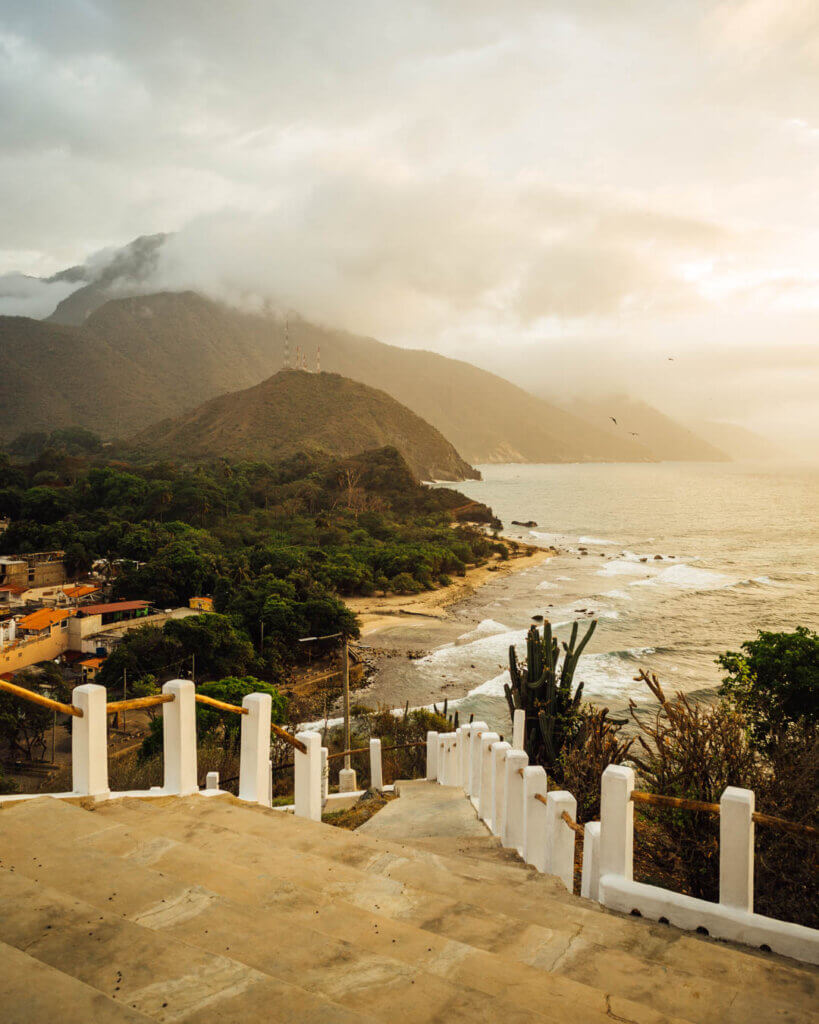
Just before sunset, head up the hill to the Christ statue for some of Choroni’s best viewpoints. The boat-filled river below, and the mountains in the distance it make watching the sunset so much more special!
How to get from Choroni to Caracas
Get to the bus terminal of Choroni before 11 am for your best chance of arriving in Caracas in daylight. As the buses need to fill up, I’d suggest you take a shared taxi for 7 US$ back to Maracay. In Maracay, you can find many buses that leave to Caracas regularly. The trip will cost about 4-5 US$ and ends at La Bandera Terminal. The whole trip can take between 6-7 hours.
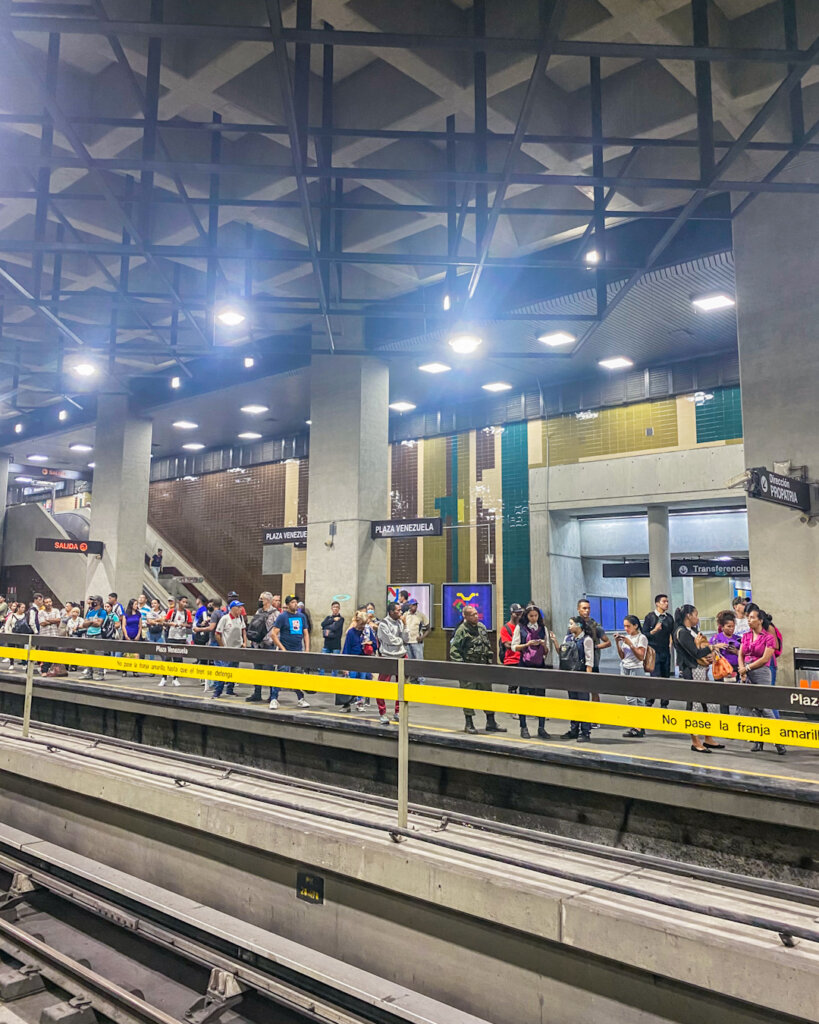
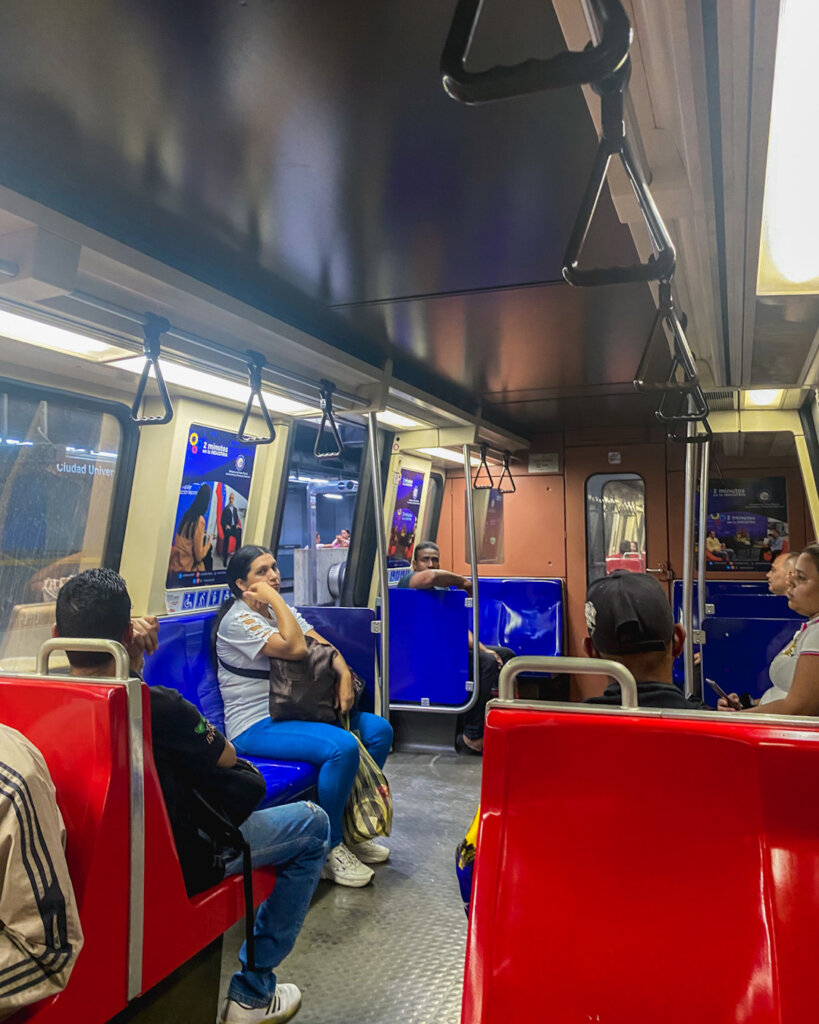
Near the bus station is also a metro stop which is your best bet to get into the city cheaply. It’s fine to walk this stretch as many people head the same way.
The metro in Caracas usually works by paying with a Venezuelan card. I have been waived every time as nobody accepted the price of 10 Bolivares in cash.
Day 13 Visit Caracas
As you near the end of your Venezuela travel itinerary, make sure to save time for a visit to Caracas, the dynamic capital city. Nestled in a picturesque valley surrounded by majestic mountains, Caracas is a bustling metropolis that serves as the final stop of your journey.
It’s the perfect place to soak in the political, cultural, and economic heartbeat of the country. With a population of over three million people, it serves as the country’s political, cultural, and economic center.
While Caracas has much to offer, it’s important to stay informed about the current situation and travel advisories in Venezuela!
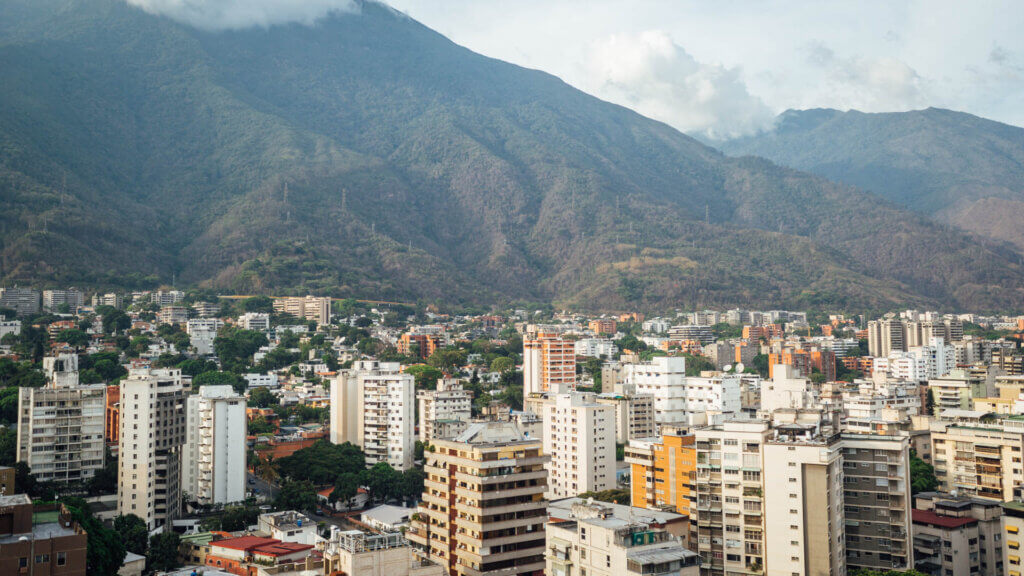
Where to Stay in Caracas as a City Stopover
Staying in Caracas is mainly about logistics. It gives you access to international flights, domestic connections, and reliable transport onward, making the rest of the itinerary possible – whether as your first or last stop.
Caracas, like any large city, has areas with varying levels of safety. Stay in areas like The Altamira and Las Mercedes. These neighborhoods have a higher concentration of hotels, restaurants, embassies and shopping centers and are known for their relatively safer environment.
Botel offers a stylish retreat in one of the city’s safest and most vibrant neighborhoods. Book your stay at Cayena Caracas if you want five-star comfort featuring Italian linens and stunning views of El Ávila Mountain. It is the perfect base for travelers who prioritize security and want easy access to the city’s best restaurants and nightlife.
This is an excellent mid-range option also situated in Chacao, putting you within walking distance of countless dining and shopping spots. The hotel features a gym and great wellness options, making it a comfortable and convenient choice for city explorers. Check availability at Lidotel Caracas if you are looking for a reliable, well-located stay that balances quality and value.
If you’re on a budget, stay at Lomas de las Mercedes, a fully equipped apartment in a great area of town, great for a few days or longer!
Explore available hotels in Caracas, Venezuela.
Day 14: Explore Caracas – Culture, Views & City Life
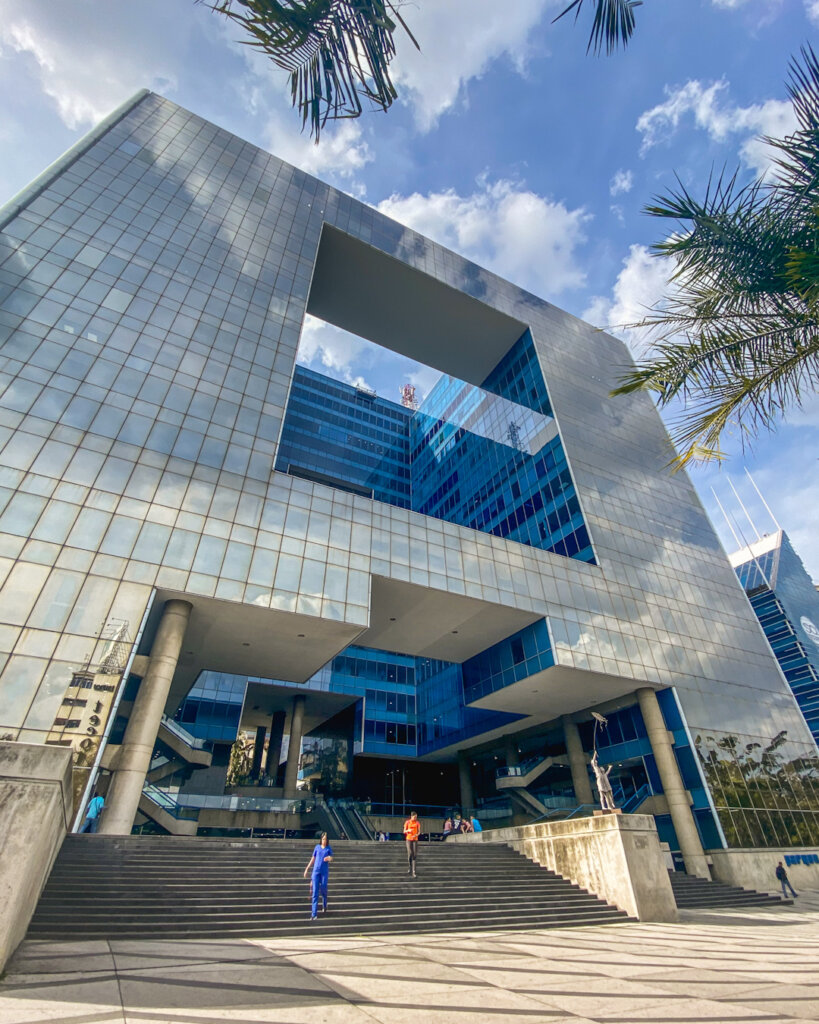
Caracas has a fascinating history dating back centuries. It was founded in 1567 and played a significant role in Venezuela’s struggle for independence from Spanish rule. Historical landmarks like the Caracas Cathedral, Bolivar Square, and the birthplace of Simon Bolivar, the liberator of several South American countries, showcase the city’s historical importance.
To start your day of exploring, head towards the center of Caracas and get off at Bellos Artes metro station. The city is home to numerous museums, art galleries, theaters, and cultural centers that showcase Venezuelan art, history, and performing arts.
TIP: If you visit between Thursday to Sunday, you should be lucky and the museums are open for visitors!

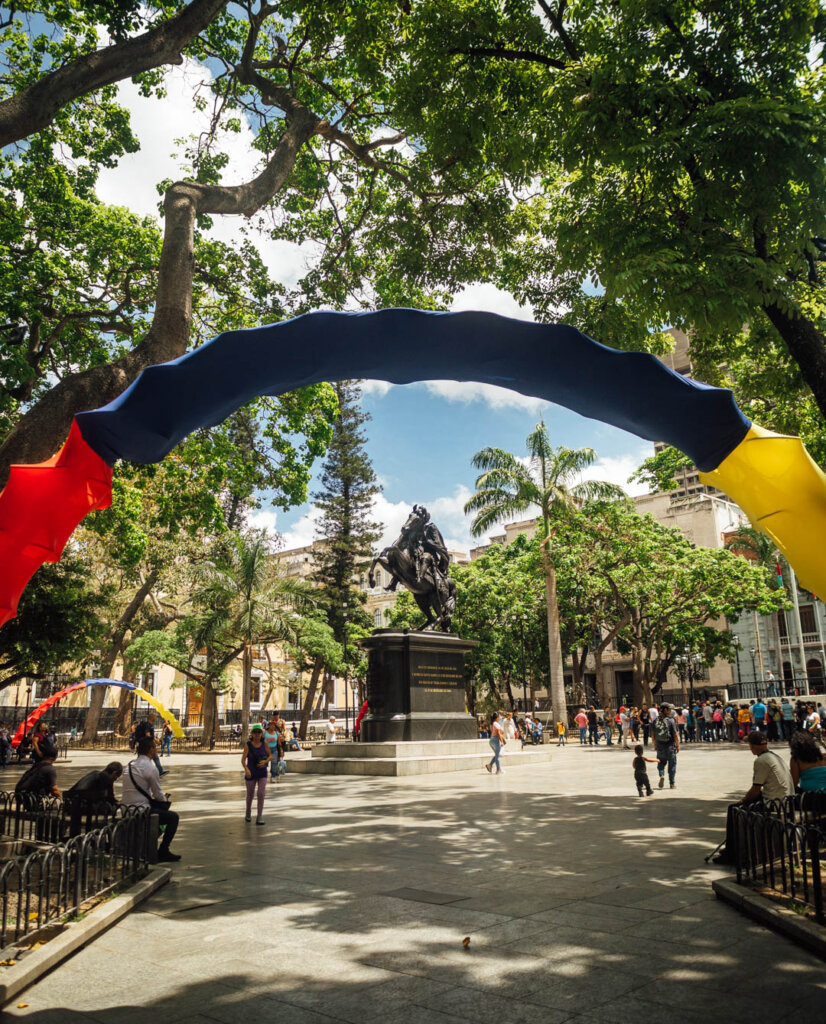
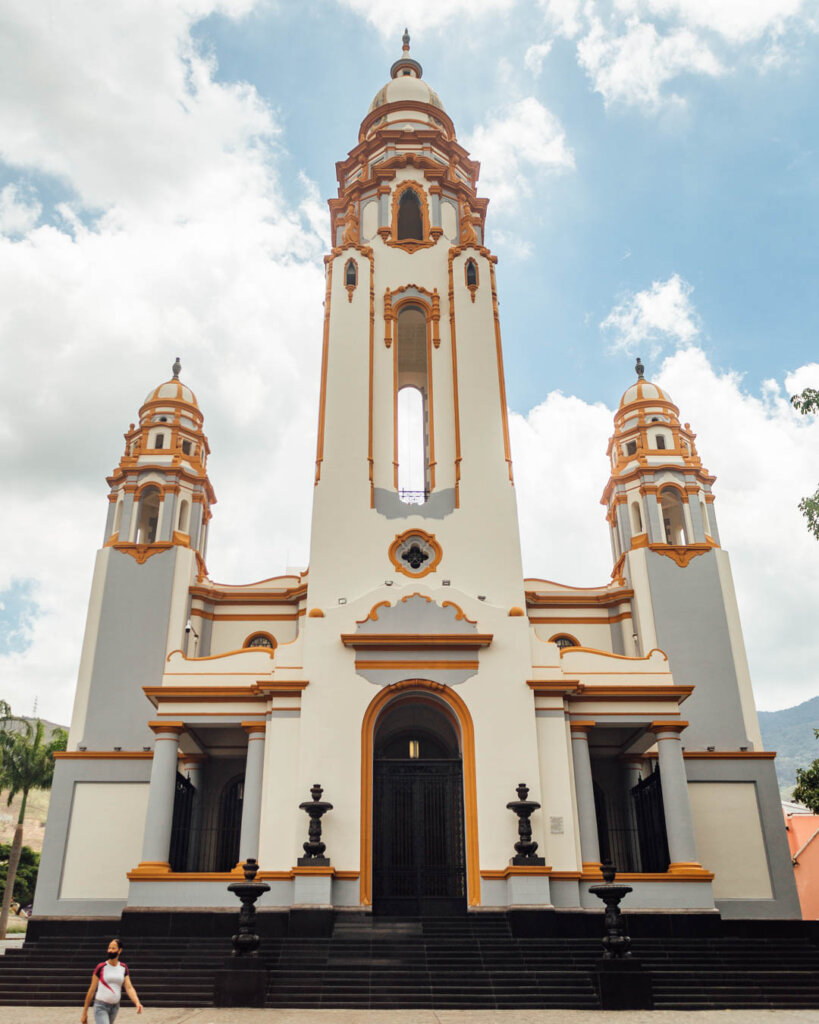
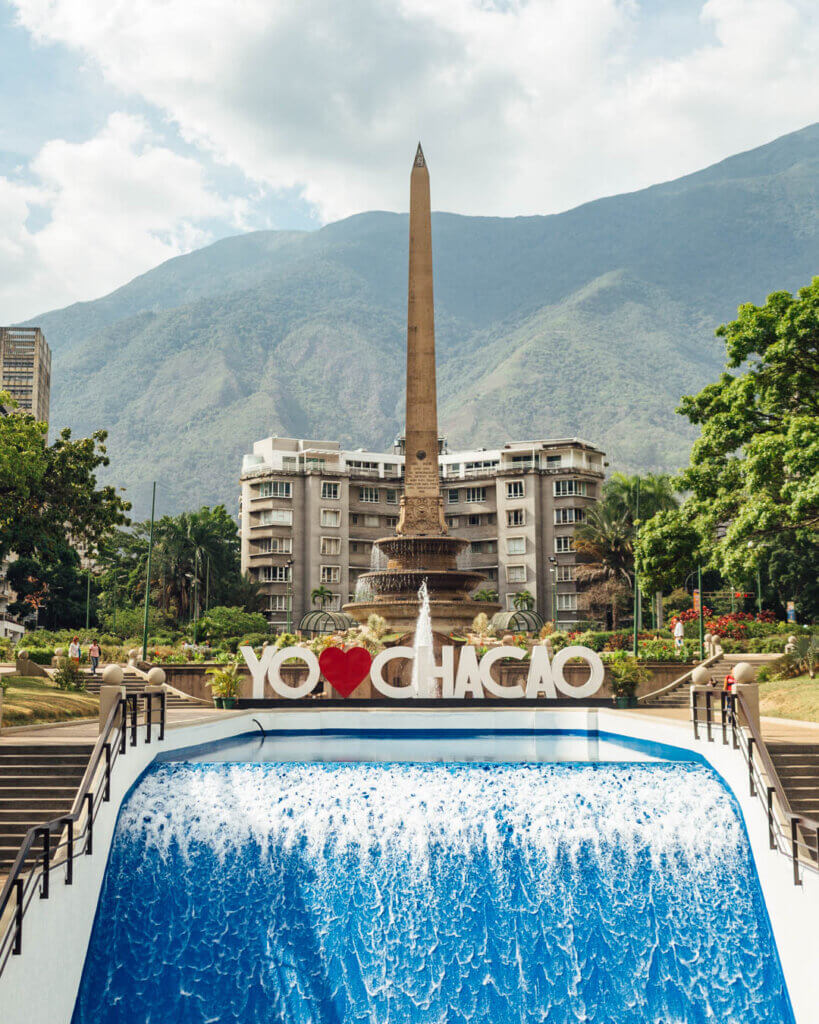
In the afternoon, head to Parque del Este to admire the striking modern skyline of Caracas, with its tall skyscrapers and contemporary architecture. The El Avila National Park, a majestic mountain overlooking the city, provides a stunning backdrop from there!
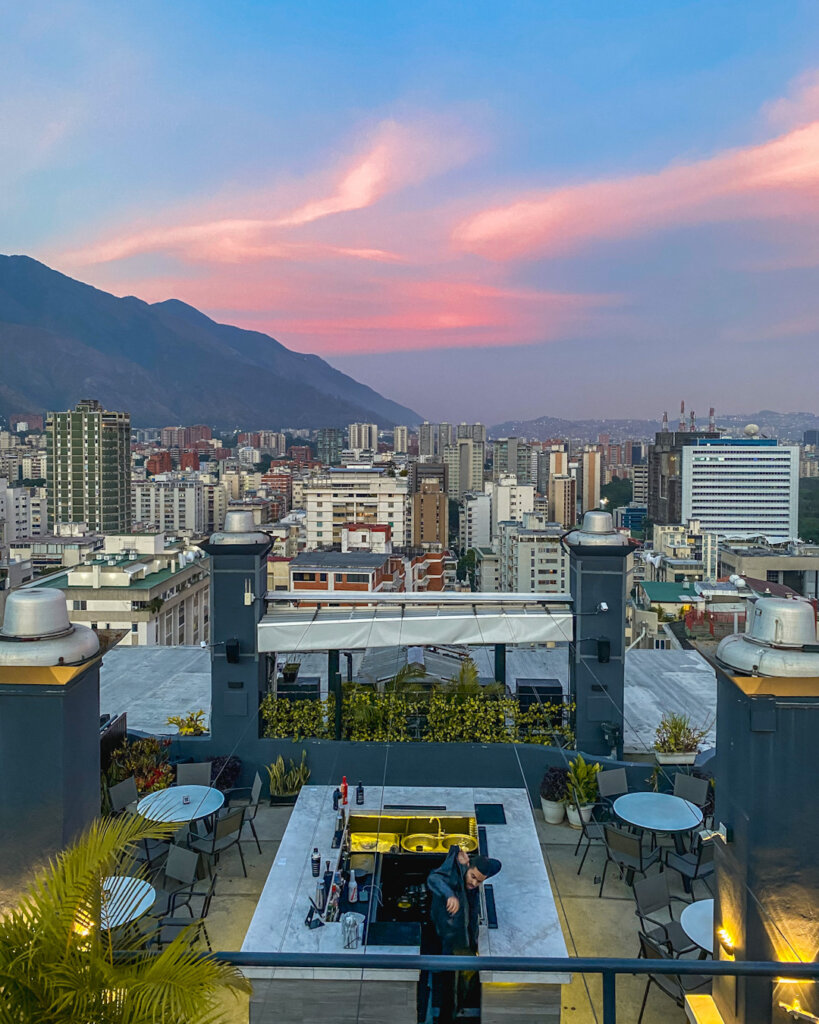
To end your day, head over to Altamira Suites Hotel and visit its 360 Rooftop bar for some of the top views of Caracas!
Day 15: Leaving Caracas
It’s time to leave this wonderful country.
To reach the Maiquetía “Simón Bolívar” International Airport, you have a couple of convenient options. One option is to call a Ridery cab, which typically costs around $25 from Altamira. Alternatively, you can take the metro to Bellos Artes and make your way toward the Alba Hotel or the nearby bridge. From there, you’ll find regular shuttle buses departing every 15 minutes to the airport. The journey, covering a distance of 21 km, shouldn’t exceed 30 minutes.
You’re two-week Venezuelan travel itinerary is completed and it hopefully has made your trip unforgettable!
Venezuela Travel Itinerary Practical Essentials
Money & How to Pay in Venezuela
The money situation in Venezuela is still a tricky one. While the bolivar is the official currency of the country, four years of hyperinflation made it almost worthless. Only recently, you can now also own and pay in US Dollars. When I visited the current rate was: US$1 = Bs. 24.65 (10th May 2023)
Keep in mind that your foreign Visa/Mastercard will (most likely) not work on ATMs in Venezuela. In some cases, you might be able to pay with your card in a hotel or restaurant, if there is a machine (‘Hay Punto’).
The easiest way to avoid any problems is to bring all your money in cash, in small notes of 5, 10, and 20 bills. Change is hard to come by, many places cannot change notes of 50 or 20 ie. in a local restaurant.
Venezuelans pay online, via Zelle or bank transfer – hence having US Dollars in cash is still something new and reserved to a few.
If you have an American bank account, I’d recommend you to register for Zelle (similar to PayPal). With Zelle you will easily be able to pay in restaurants, bus terminals and many other shops.
How to get around Venezuela
Taxi – a common mode of transportation within Venezuelan cities. It’s recommended to use registered and licensed taxis, preferably booked through reputable companies or arranged by your accommodation. Venezuela doesn’t have Uber or DiDi but similar ride-sharing apps called Ridery and Yummy Rides.
Always exercise caution and use reputable taxi services for safety reasons!
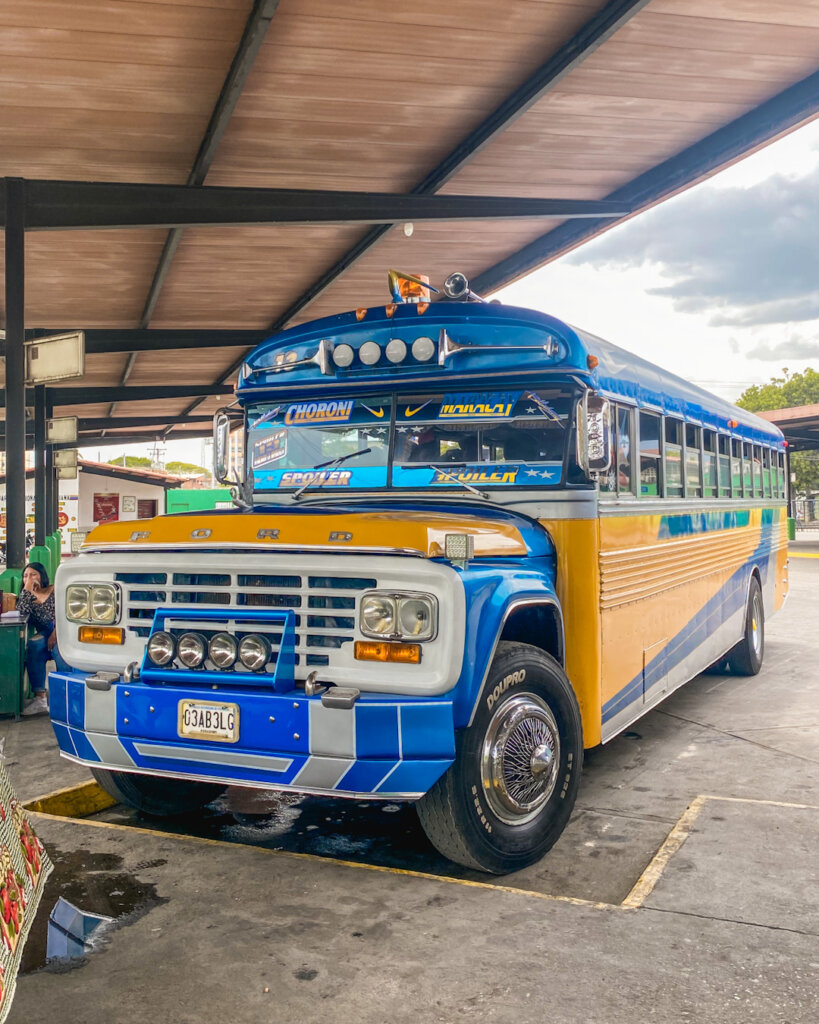
Bus – a popular means of transportation for both short and long distances within Venezuela. There are different types of buses available, ranging from public buses to private companies offering intercity services. Public buses are typically more affordable but may be crowded and have varying levels of comfort.
As another safety measure, I did not use night buses and made to sure to arrive in daylight to my next destination.
Plane – For traveling between cities, domestic flights are a convenient option in Venezuela. Several airlines such as Conviasa operate domestic routes, connecting major cities and popular destinations.
Check for your best flight connections from Panama City with Copa or Colombia with Wingo directly to Caracas!
Women Travel Essentials I Can’t Live Without
Travel Insurance
Having travel insurance that protects me no matter where I go has been an obligatory thing to have since day one. No matter if it was to study abroad, to go on a two-week vacation or start a full-time travel life – travel insurance is SO important. If you are looking for travel insurance to cover your next adventure, have a look at Safetywing to see if it suits you!
Travel Money Card
Are you still looking for the best option for your travels? Having a Wise travel money card that allows you to hold various currencies, has the lowest transaction fees and lets you withdraw money no matter where you are is worth GOLD. Wise has been my go-to choice for 4 years now and I wouldn’t go back to having only one credit card.
Keen to see more of Latin America? Check out my other articles here:
Guyana – The New Adventure Destination & The Best Places to See
If you’re after a Luxury Cruise + the Best Galapagos Islands Itinerary
Plan your trip with my Cuba, Havana Tips Guide To the 18 Best Things to Do
Looking for the best Colombia Itinerary? Plan your vacation with this Top 2 Week Colombia Itinerary – Hidden Gems & Local Secrets
Plan your Dominican Republic Itinerary + Gems to See!
For more Caribbean trips, head over to my Barbados Itinerary & The Best Eco Activities!
Disclaimer: This article contains affiliate links. If you purchase using these links, I earn a small commission at no additional cost to you. I only recommend services and tools I know and trust myself.
Pin for your future Venezuela trip!