Most people have never heard of Guyana. The ones who have gone rarely forget it.
I traveled Guyana’s interior on a high-end expedition with Wilderness Explorers, arranged by the Guyana Tourism Authority. The kind of access that comes with that is rare – private aircraft, remote lodges, places that see maybe a few hundred visitors a year. But the landscapes, the wildlife, the Indigenous communities – none of that requires an ultra-luxury budget to experience.
This guide shows you what Guyana looks like at its best, and exactly how to plan a similar trip without the expedition price tag.
Think vast savannas, remote rivers, Indigenous villages, and thundering waterfalls deep in the jungle. From the golden Rupununi, where the vaquero (cowboy) culture is still alive, to the wild rainforest region with its indigenous lodges, this country is like no other!

Kaieteur Falls & the Wild Heart of Guyana
There are waterfalls, and then there is Kaieteur. It is not the same thing.
At 224 meters, Kaieteur Falls is the world’s most powerful single-drop waterfall. Not the tallest, not the widest, but by volume of water meeting that kind of drop, nothing on earth compares.
Getting here is half the experience. You fly deep into Guyana’s interior on a small aircraft, land on a remote airstrip surrounded by jungle, and walk to the viewpoint through rainforest that feels completely indifferent to your presence. There are no crowds. No railings for most of it. Just you, the sound building as you get closer, and then suddenly the full drop appears through the trees.
If the light is right you’ll see a rainbow sitting permanently in the gorge below. Not a passing one. A permanent rainbow, held in place by the mist Kaieteur generates every single second of every single day.
This is not a waterfall you can visit on a day trip from Georgetown independently. The journey requires planning, a small aircraft, and ideally a guide who knows the interior. It’s one of the main reasons a guided multi-day expedition makes so much sense for Guyana.


Guyana Travel Guide Map for the Best Things to See


Best Places to Visit in Guyana
Central Rupununi, Savannahs and River Life
This part of Guyana is where wide-open savannahs meet slow-moving rivers and working ranches. Days here are shaped by wildlife tracking, time on horseback, river safaris, and life in small communities that still move at a different pace.
Rupununi Experience Cowboy Culture & Ranch Life
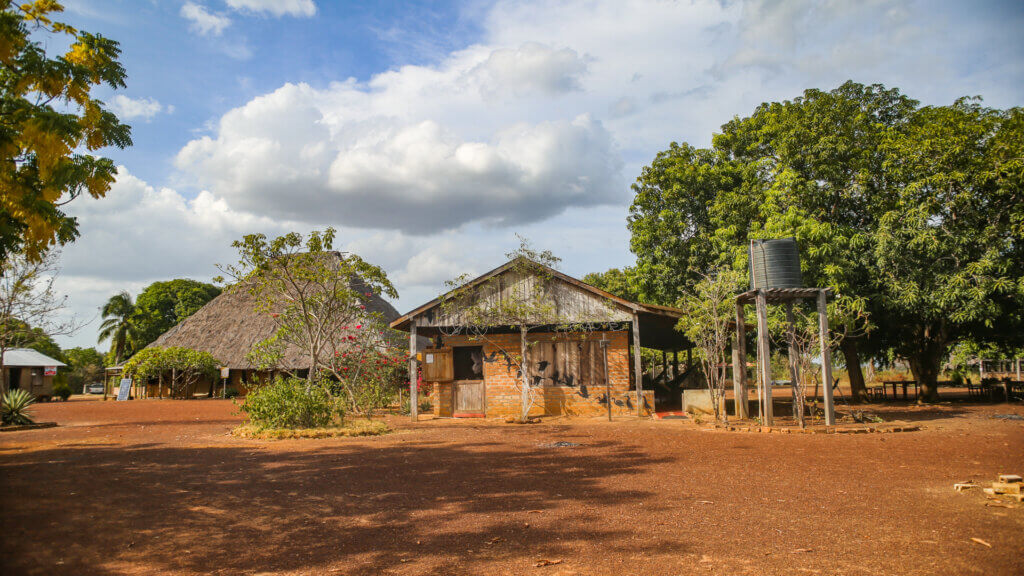
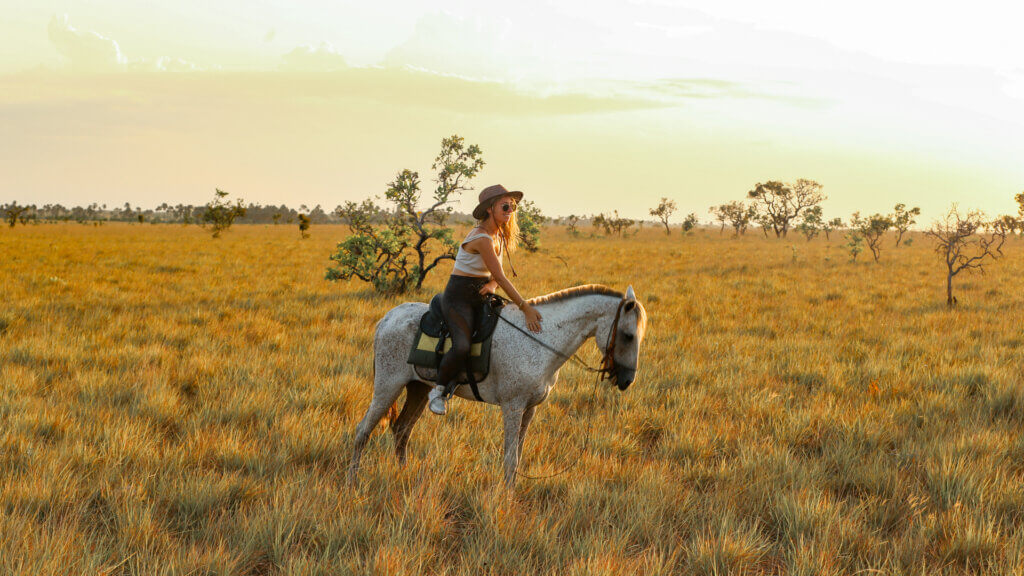
Wichabai Ranch offers a unique experience in the southern Savannah. Run by a family that makes you feel so at home, it blends cowboy culture, Amerindian lifestyle, and modern ranch living.
As the home of the South Rupununi Conservation Society, Wichabai Ranch especially integrates eco-tourism and conservation. It’s one of the best places in Guyana to support when it comes to sustainable efforts. The team specifically researches the Giant Anteaters, Red Siskin but also the Yellow Spotted River Turtle.
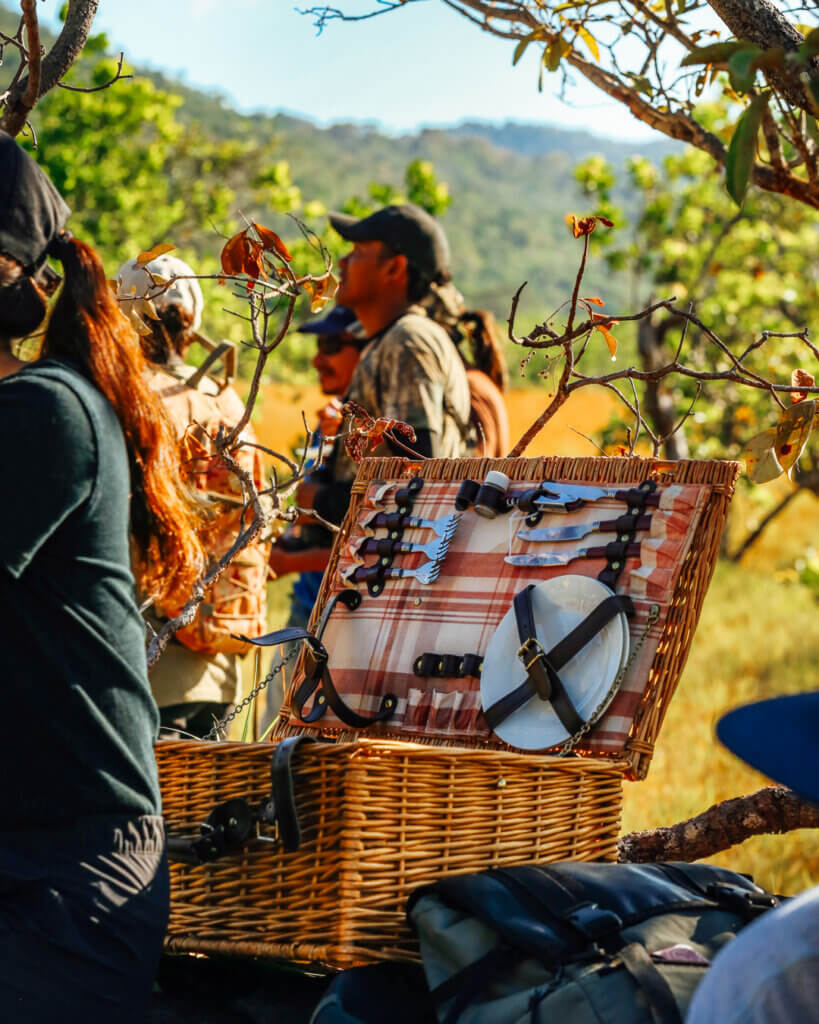
Besides sunset picnics with a 360-degree view of the Savannah, and family-style dinners with the most deliciously prepared food, you have an array of activities to do. When you stay at Wichabai Ranch, you can enjoy not only horseback riding but also kayaking, leisure time by the river, or engaging in cowboy activities like lassoing.

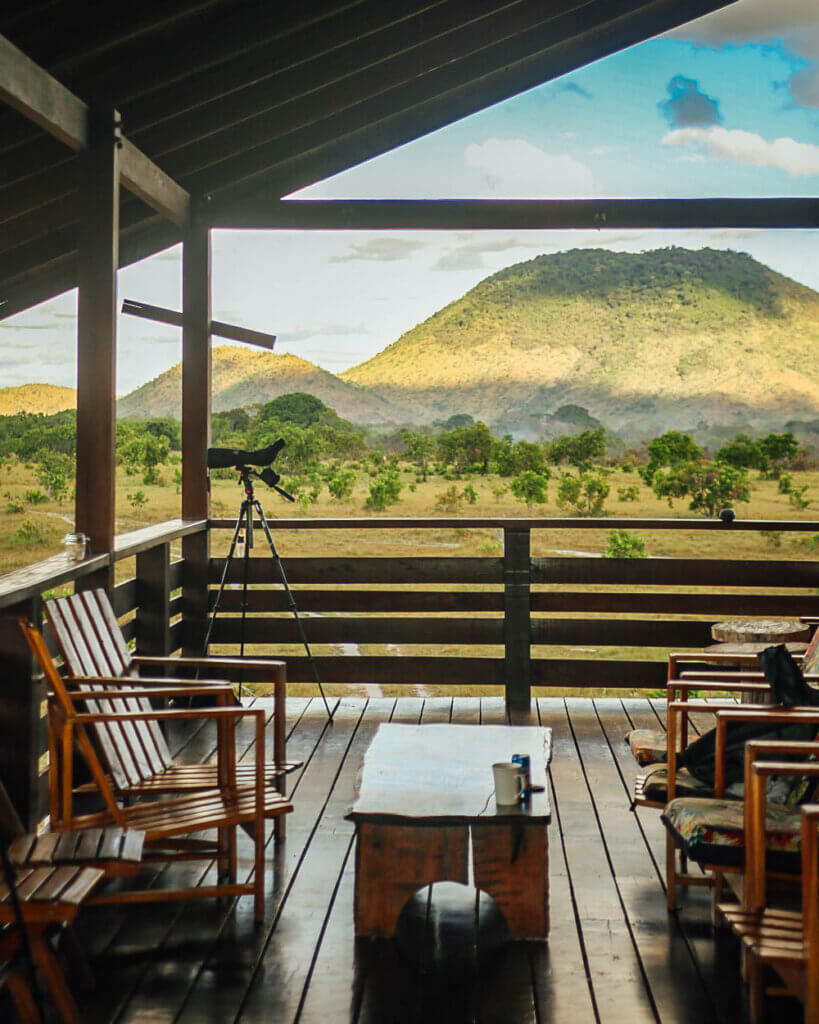
Red Siskin Birdwatching
It’s one of the best places in Guyana to observe the Red Siskin, listed as Endangered on the IUCN Red List. It is a remarkable bird, found in the Southern Rupununi region of Guyana.
With a local guide, you head into open savannah and forest edges to look for one of South America’s rarest birds. Sightings aren’t guaranteed, but when they happen, it’s a moment that stays with you!
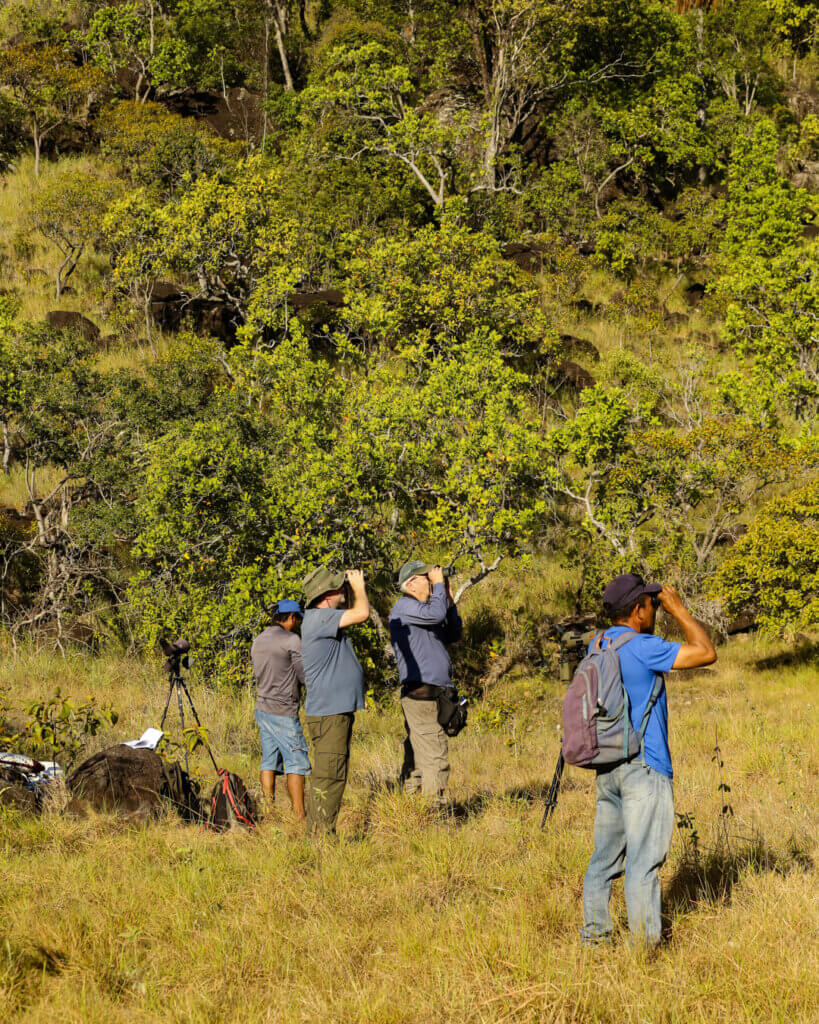
Bushwalk & Reviewing Camera Traps
Each day, we’d be going on different adventures. Both the bush walk to the nearby forest island and the research trip to review the camera traps were great.
Forest islands within the Savannah in general have been there for a whopping 20.000 years! Consequently, this is making it an important area of the local environment. Subsequently, it’s of great importance to the local animals, particularly Jaguars, Giant Anteaters, Deers, Capybaras, Agoutis and more.
After reviewing our camera footage, Erin, our host, compared the animal’s pattern to the Jaguar patterns she knows of. To our surprise, she found out that it was a new Jaguar that’s now in the area!


Community Weaving Class
Wichabai Ranch is located near several indigenous villages. Firstly, you have the unique opportunity to visit these villages and learn about the local culture. Additionally, you can participate in traditional activities, such as basket weaving and cassava bread making.
During our exploration, we visited the village of Adolf, where we had a remarkable weaving lesson. After that enriching experience, we ventured into the forest, a site blessed by Adolf with offerings. Whether learning traditional crafts or traditions, you are sure to leave with a deeper understanding of the culture.


Horseback Riding
Have you been on horseback before? At Wichabai Ranch you have the chance to try! Embark on a charming horseback riding adventure where the vast South Rupununi savannah becomes your playground.
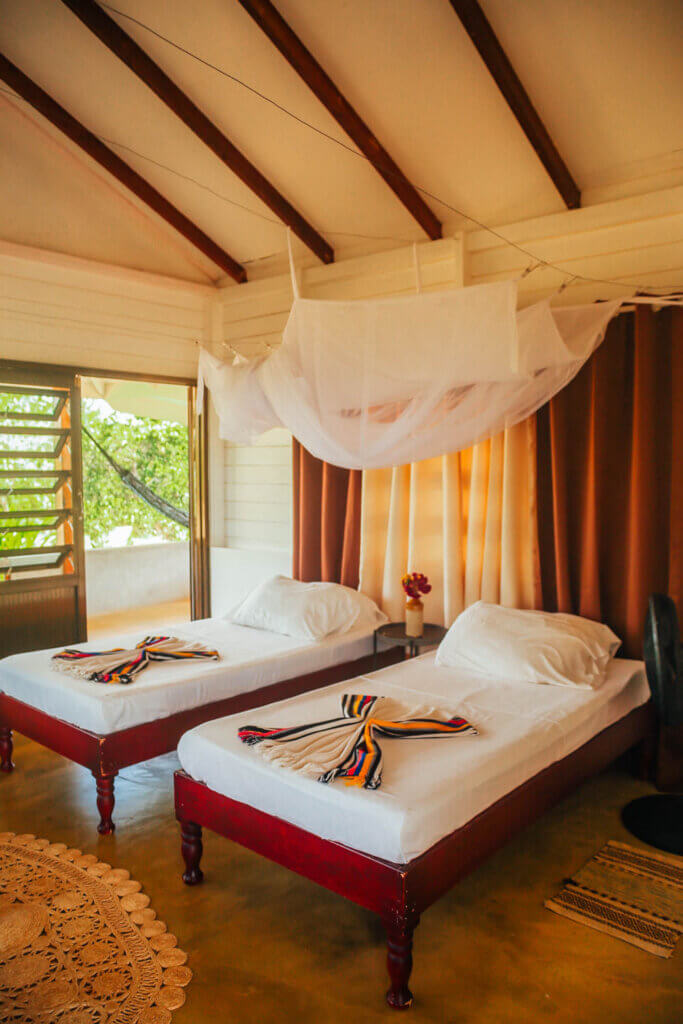
Accommodations at Wichabai Ranch are gorgeous wooden stilt rooms that provide comfort and lovely views of the savannah. You can stay in twin or double rooms with private bathrooms, equipped with mosquito nets and fans. The ranch’s culinary offerings feature excellent meals prepared using fresh, local produce.


Waikin and Savannah Culture
Once at Waikin Ranch, you’ll encounter a delightful swimming hole, offering a perfect refuge from the heat. Alternatively, you can immerse yourself in the ranch lifestyle by joining the vaqueros on a horseback adventure.
Termite City: Guyana’s Strangest Landscape Nobody Talks About
Nestled in the heart of the Rupununi, Termite City is one of Guyana’s most unique places. It unveils a mesmerizing landscape adorned with thousands of termite mounds, each towering over 10 feet tall.
Here, the sense prevails that you’re part of a select group fortunate enough to explore these untouched marvels. Termite City, in my opinion, made it to one of the best places in Guyana, as yet again, you’re free from the typical tourist hustle and bustle.

Nestled in the tropical wetlands, near Lethem and the Brazilian border, Waikin Ranch offers a unique experience. It made an ideal spot for unwinding in your hammock. The bathrooms provide a refreshing touch with open-to-the-sky showers, and solar power ensures a comfortably fan-cooled bedroom.

Karanambu and the Rupununi River
Karanambu Lodge sits at the meeting point of grasslands, swamps, and flood forests along the Rupununi River. It’s the kind of place that draws people who take wildlife seriously.
David Attenborough filmed here. Mick Jagger has stayed here. Neither of them came for the luxury.
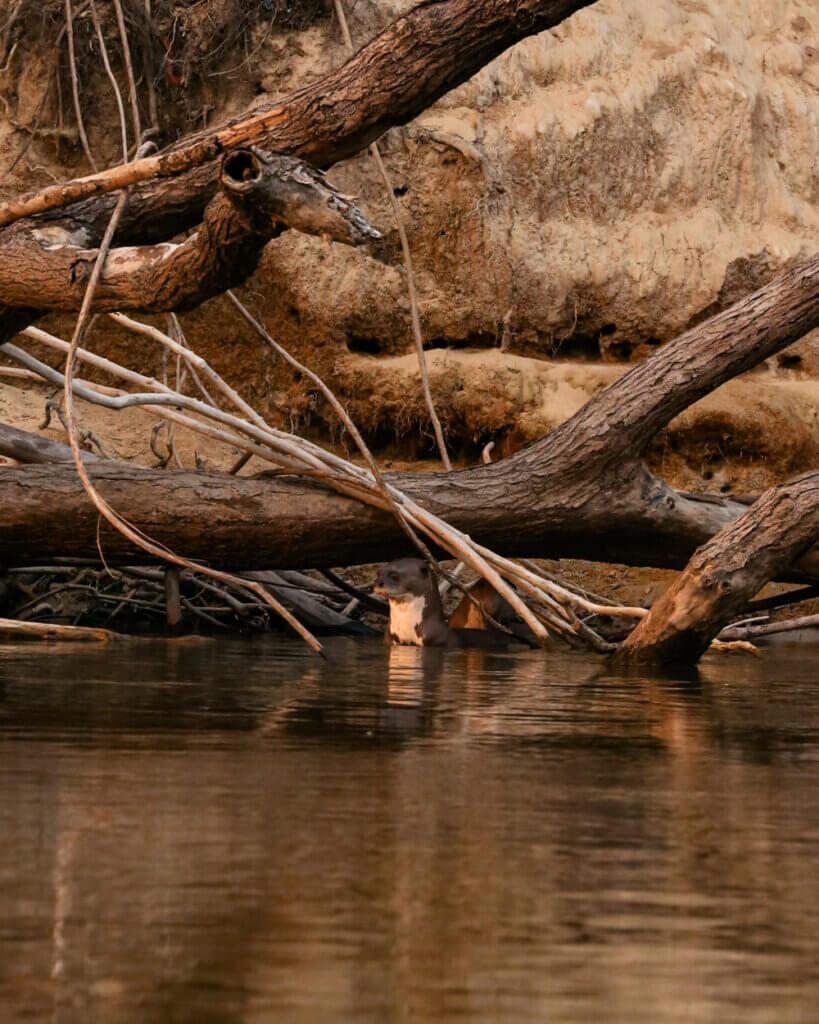
They came because Karanambu is one of the only places on earth where you can watch Giant River Otters in their natural habitat from a slow river boat, close enough to hear them call to each other across the water.
Giant River Otters of the Rupununi: Where to See Them Up Close
Once you reach Karanambu Lodge in the Rupununi Savannah, you’ve made it to one of the best places in Guyana to see the Giant River Otter! It’s here that you can embark on a memorable river cruise along the Rupununi River, where you might encounter the fascinating Giant Otters. These unique creatures, known for their social behavior, are among the largest otter species globally. Observing them from a distance is a highlight of every trip to Karanambu and Rupununi.

Morning Safari Giant Anteater
Join a morning safari in the lodge’s van or 4×4 Jeep to go wildlife spotting through the savannahs of Guyana. As you traverse the landscape, keep your eyes peeled for the elusive Giant Anteater. Known for its long snout and distinctive fur, the Giant Anteater is a captivating sight in its natural habitat. The vaqueros’ expertise typically ensures a successful encounter. We were lucky enough to spot a female with her baby on her back! To experience this iconic species that morning really made our stay truly special.
Along this fun morning safari, you also have the chance the spot the stunning Karibou Storck, hawks, birdlife and more.


Victoria Amazonica
Discover the exquisite beauty of the Amazonica flower at Karanambu Lodge, a botanical wonder. The Victoria Amazonica is a stunning aquatic plant with enormous floating leaves that can span up to ten feet in diameter.
What makes this flower truly special is its remarkable adaptation. In its essence, the large leaves provide shade, while the intricate flowers bloom in the evening, creating a breathtaking display. Yet again, Karanambu Lodge is one of the ideal places in Guyana to see something unique.
Witness the unfolding spectacle as the Amazonica flower opens its petals during the enchanting sunset.


Karanambu Lodge feels like stepping into another era. Cozy cabins, hammock verandahs, family-style meals. It’s included in the 9-day itinerary and the kind of place you’ll wish you could stay longer. Here, you’re not just a guest; you’re part of a journey into conservation and biodiversity.

Rock View and Cashew Country
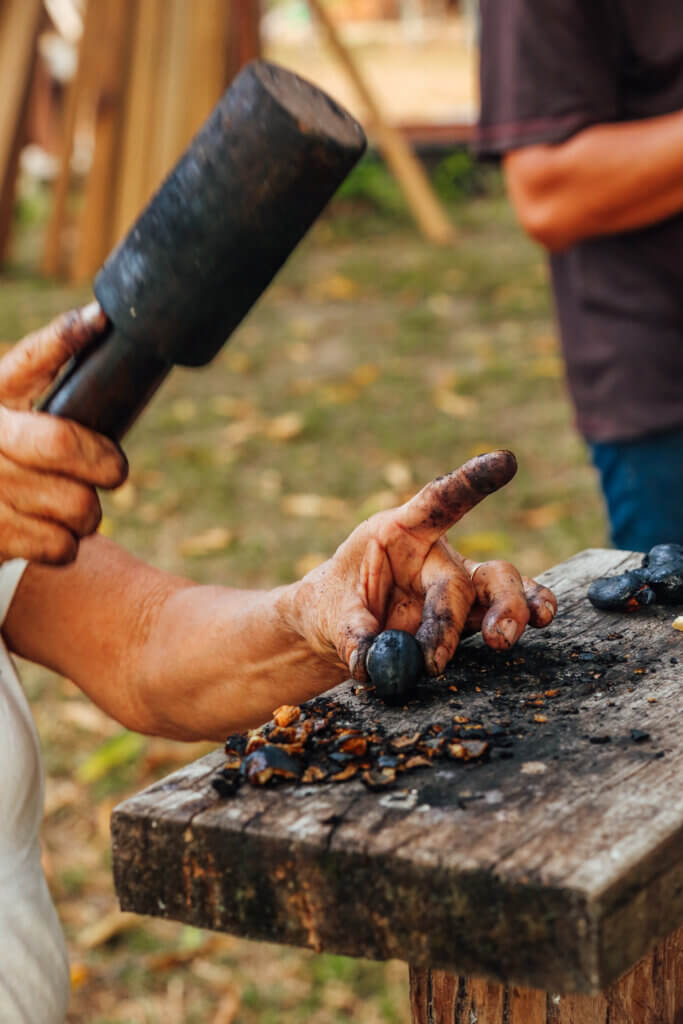
Today, you change lodges and head to an area where you can spot wildlife and hike. Embark on a unique activity at Rock View Lodge, where you can immerse yourself in the process of cashew roasting. Here, the women of the lodge lead you through the process of skillfully handling the nuts. The air fills with the rich, toasty aromas of cashews slowly roasted over an open fire. It’s a cultural journey, allowing you to witness a traditional method passed down through generations.
If you have ever tasted a warm, freshly roasted Cashew nut you won’t enjoy them any other way ever again.

Guianan cock-of-the-rock Spotting
Leaving Rock View Lodge to Atta Rainforest Lodge, you will stop at one of the most special places in Guyana. Just a 20-minute walk into a forest area, you’re at the home of the Guianan cock-of-the-rock birds.
This vibrant bird, adorned with striking orange and black feathers, graces the rainforests of Guyana with its unique presence. Therefore, this captivating species stands as a symbol of Guyana’s biodiversity. It’s offering birdwatching enthusiasts and nature lovers an unforgettable glimpse into the unique avian wonders of the region.

Want to experience all of this without the planning headache? This is the tour that covers it!
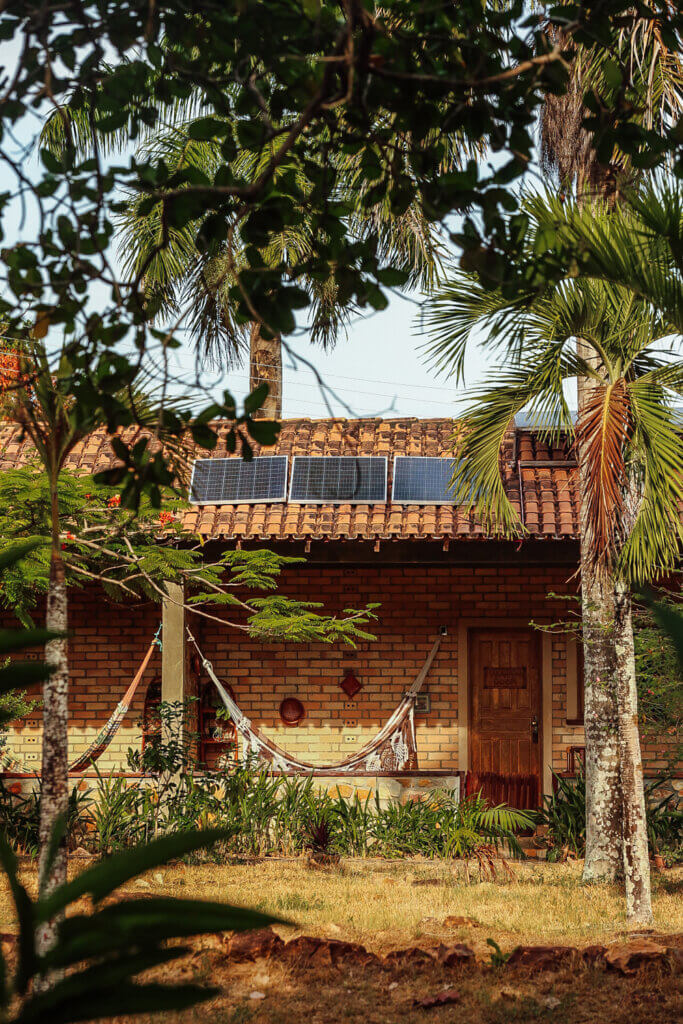
Rock View Lodge welcomes you to comfortable, roomy spaces with hammock-strung verandas overlooking the garden. Picture yourself enjoying tasty, home-cooked meals served family-style while swapping stories with your friendly host about local life.
But the real gem? The fantastic natural-form pool is surrounded by lush gardens – the perfect spot to chill. And for a touch of culture, explore the family ranch house with its cool mix of art and a library.

Iwokrama and the North Rupununi Rainforest
Moving north, the scenery shifts from open savannah to dense rainforest. This region is defined by canopy walks, deep jungle wildlife, and indigenous community lodges that place you right inside the ecosystem.
Iwokrama Rainforest: Where 840 Bird Species Live in One Forest
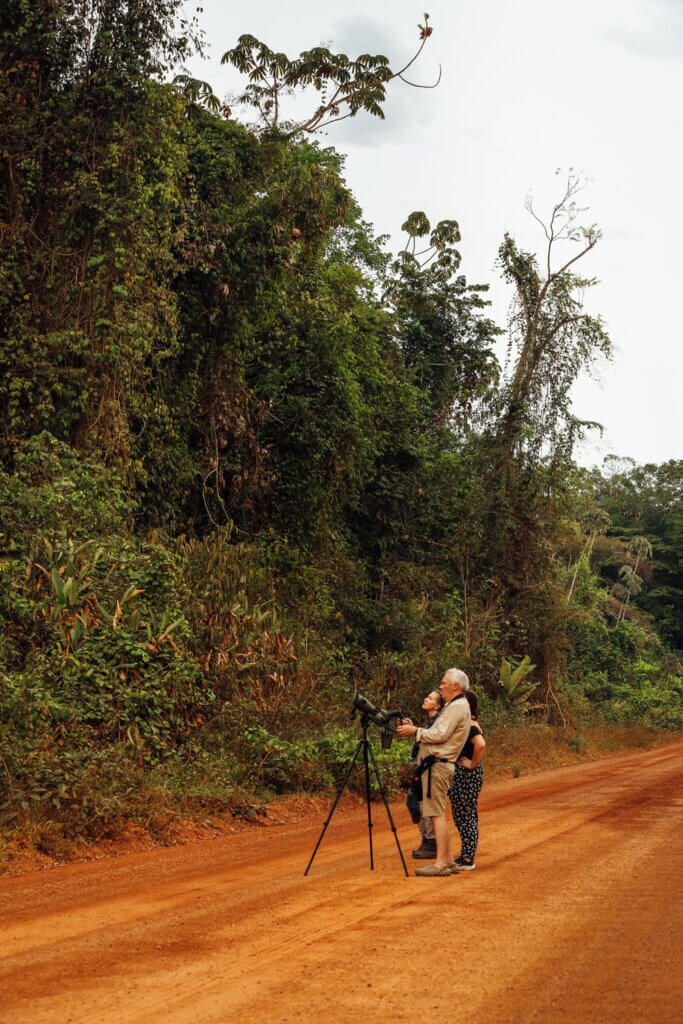
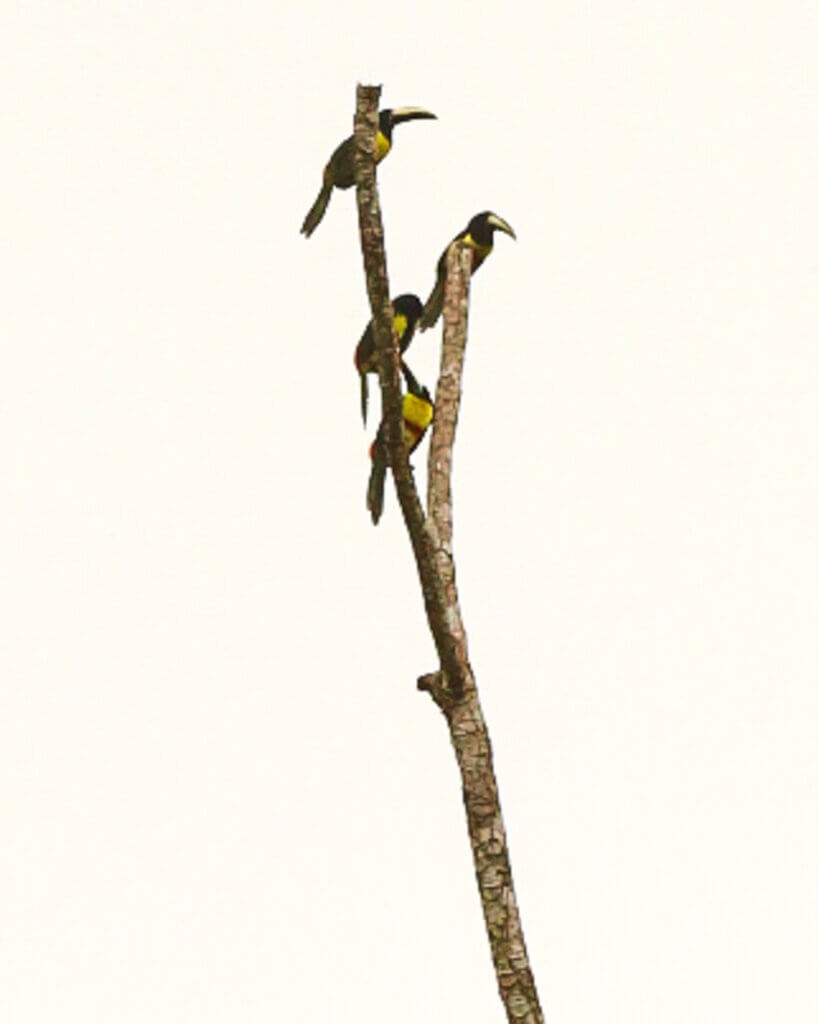
Elevate your birdwatching experience at the Iwokrama Rainforest. This particular region in Guyana is one of the few places where many of Guyana’s impressive +840 bird species live. Additionally, for the early riser, you can join morning birdwatching expeditions on the open road. Our excursions even led to a delightful encounter with a tapir, adding unexpected wildlife magic to our adventure.
Iwokrama Canopy Walk
Nestled within the lush Iwokrama Rainforest, Atta Rainforest Lodge and its tree-top canopy walkway offer an immersive rainforest experience.
A short 15-minute walk through a forest trail leads to the Iwokrama Canopy Walkway – a network of suspension bridges. This elevated path offers intimate views of the mid and upper canopy, providing a non-intrusive space for wildlife observation.
It’s a birdwatcher’s paradise and a unique chance to see Toucans and birds of prey.

Your room at Atta Rainforest Lodge has an open-sky shower that essentially extends your birdwatching into your bathroom. Included in the guided 9 day itinerary and genuinely one of the more unique places to sleep in South America!

Rewa Eco-Lodge: Staying Inside a Living Amerindian Village
Nestled at the heart of Rewa village, the Rewa Eco-Lodge stands as a testament to the harmonious coexistence of the Macushi, Patamona, Wapashana, and Waiwai tribes. Home to approximately 361 villagers, this Amerindian community thrives at the confluence of the Rewa and Rupununi Rivers.
In 2005, Rewa shifted to conservation, creating the Rewa Eco-Lodge with support from Conservation International. Rooted in a “self-help” ethos, the community united to build projects for the collective good, showcasing Rewa’s commitment to sustainability.


Amerindian Village Walk
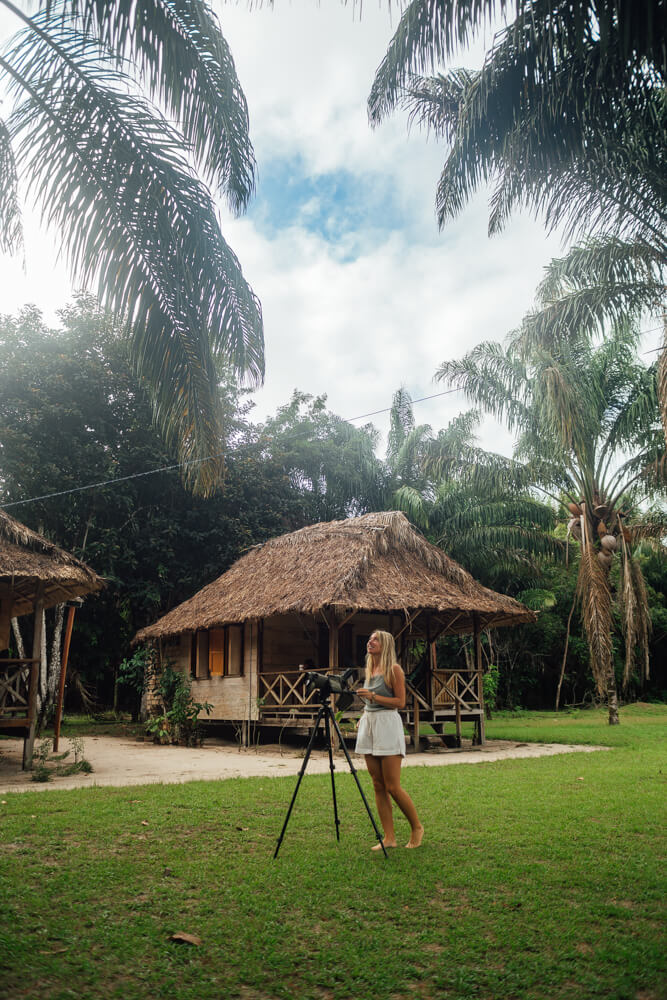
Embrace a minimalist lifestyle as you immerse yourself in the village’s rhythm. It’s a wonderful experience to see how farming and living in harmony with nature shape the community’s ethos. The untouched beauty of Rewa reflects a life unspoiled by human interference. Therefore, it’s offering you a genuine encounter with traditional Amerindian culture.


Observe the Victoria Amazonica in Oxbow Lake
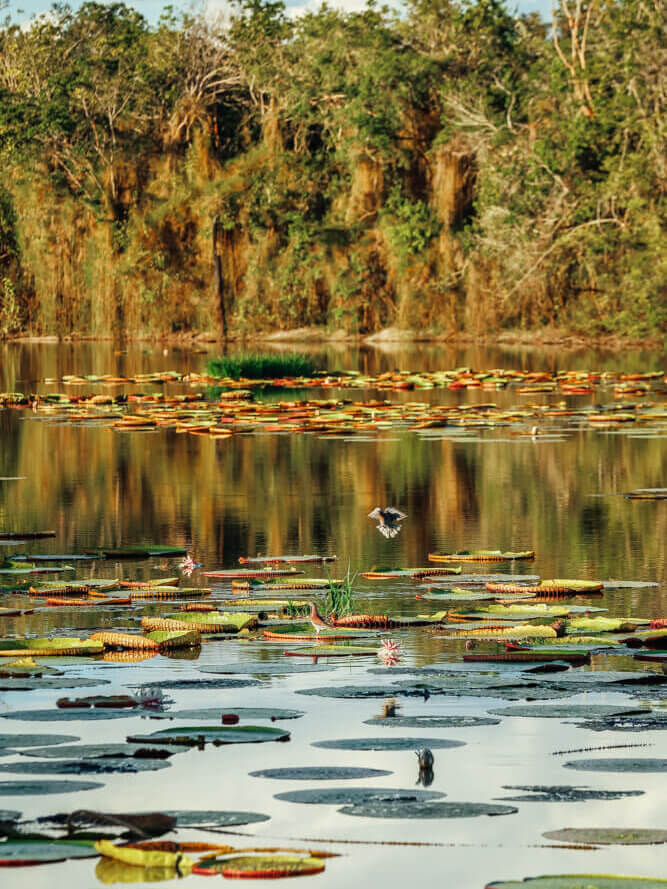
Embark on a short boat ride, following a short five-minute stroll and you’ll reach a hidden gem – a charming Oxbow Lake!
What makes this place so charming is this wooden deck extending over the pond, offering intimate views of the Victoria Amazonica, Guyana’s largest waterlily. Witness the blossoming of white flowers on the first night, gradually transitioning to pink and adopting a male flower form by the third night.

Awarmie Mountain: The Hike That Shows You What 80% Rainforest Actually Looks Like
Gear up for a hike up Awarmie Mountain following a short boat ride. The hike up starts easily but ends steeply, leading past a viewpoint ridge that already gives fantastic views. Thankfully, the team at Rewa Lodge installed new handrails that make the next part of the hike a bit more of a breeze.

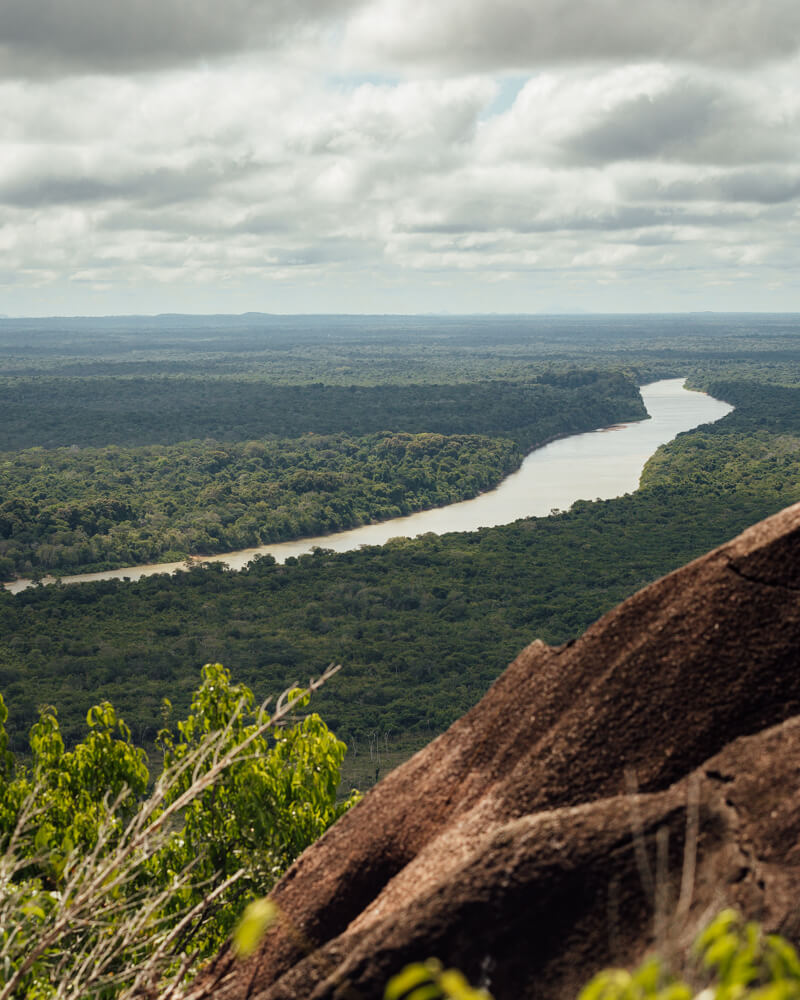
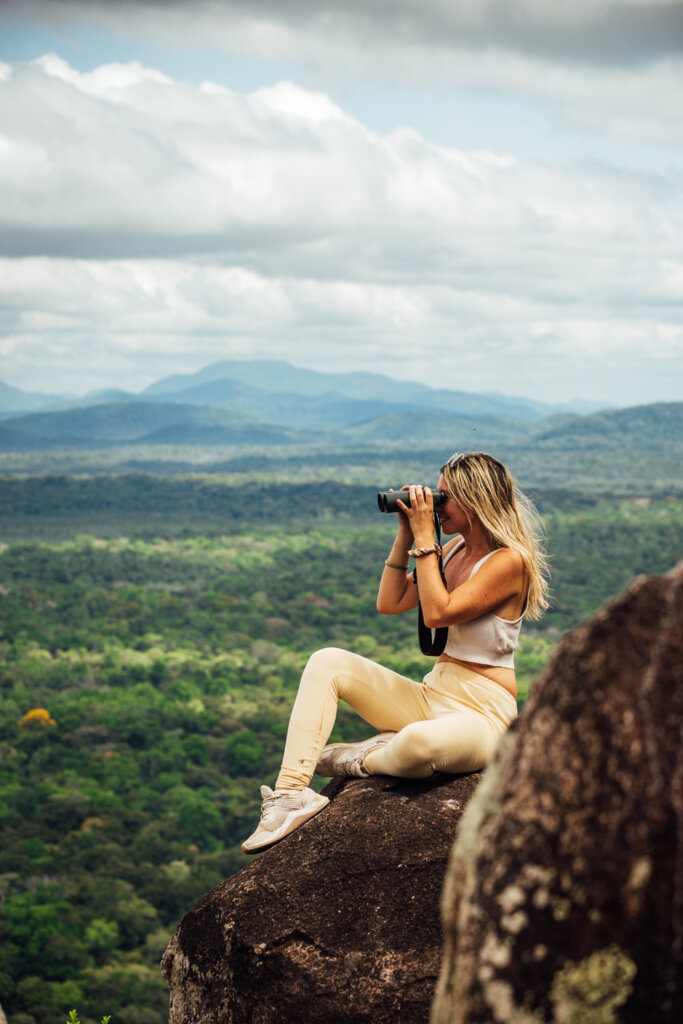
Once at the top, you’ll be blessed with one of the most epic views of your whole Guyana trip. As far as the eye reaches, you’ll see nothing but rainforest, the Rupununi River, and the far-off Kanuku Mountains. It was there at the top that I understood what 80% virgin rainforest actually means.
The view goes all out with a crazy 200m drop, showing off untouched forests toward Iwokrama Mountain and Makarapan Mountain. Makarapan is the oldest mountain in South America if not the world, clocking in at an amazing two thousand million years old!
Pro Tip: Pack your binoculars to spot birds and maybe trees surrounded by hundreds of butterflies!
Bird Eating Spider
Rewa Lodge arranges another fantastic adventure, starting with a boat trip up the river. On the boat ride, you’ll likely pass Black Caimans and encounter Amazon Kingfishers as part of the scenery. Once at the particular place of the rainforest, you’ll start a casual 20-minute walk. It’s in that part of the rainforest where you’re in for an up-close encounter with the Goliath bird-eating spider, the heavyweight champ of arachnids.
Despite its name, these giants usually snack on rodents, frogs, and other critters, rather than birds. It’s a surreal sight – the world’s largest spider by mass and size, just hanging out in its natural habitat. No need to worry, though; these spiders are more into munching on snacks that won’t bite back.
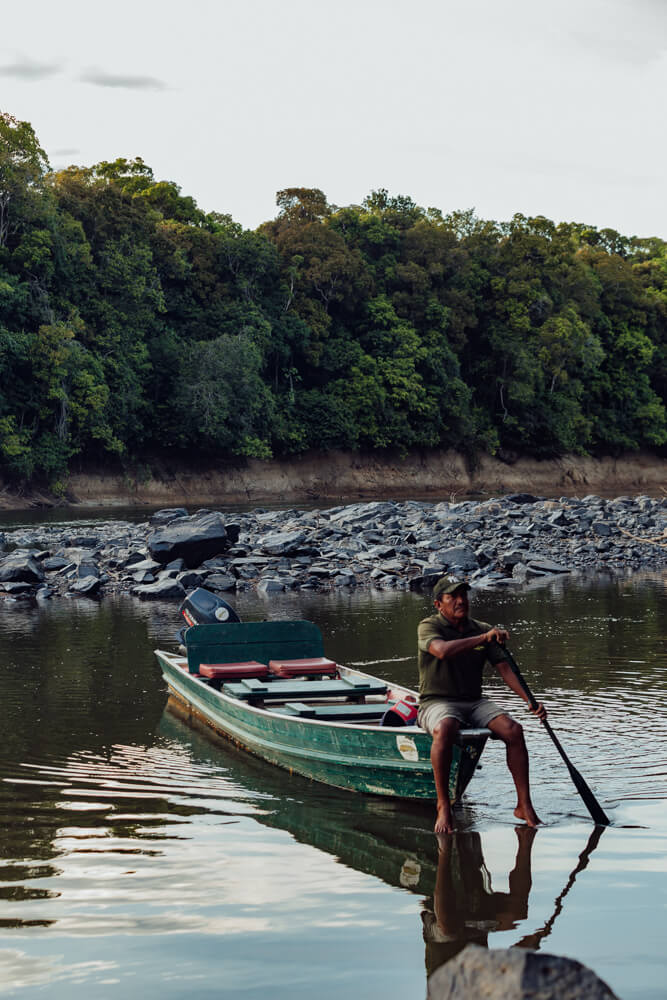

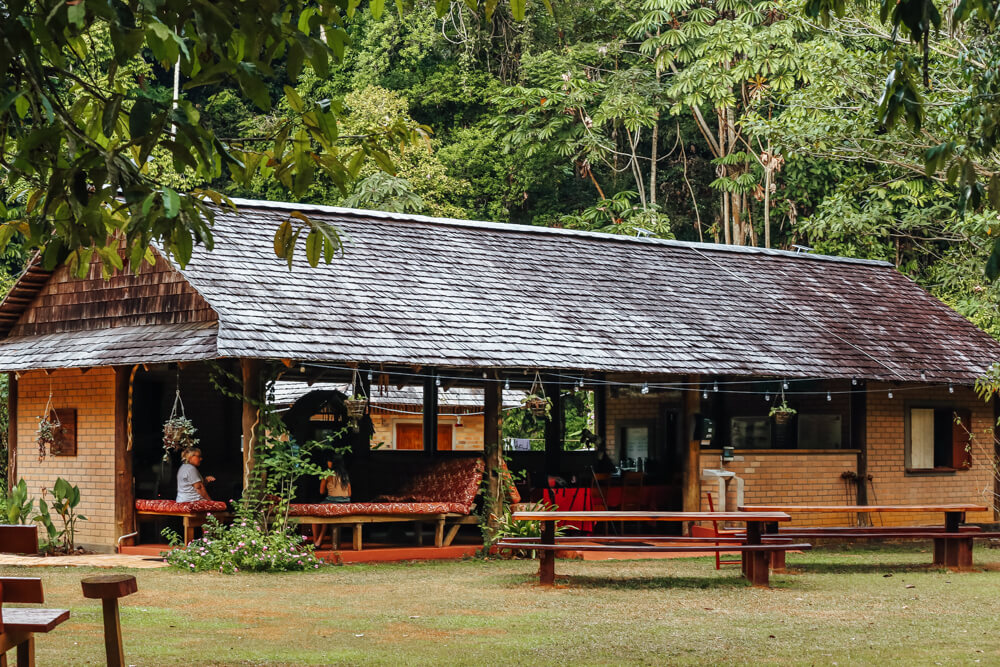
Rewa Eco-Lodge is a remote haven in the Guyanese rainforest crafted with dedication by the Makushi village. Their simple yet comfortable accommodations include traditional benabs – shared spaces with solar-powered amenities – and self-contained cabins for added privacy. It’s the ideal place to immerse yourself in nature and community.
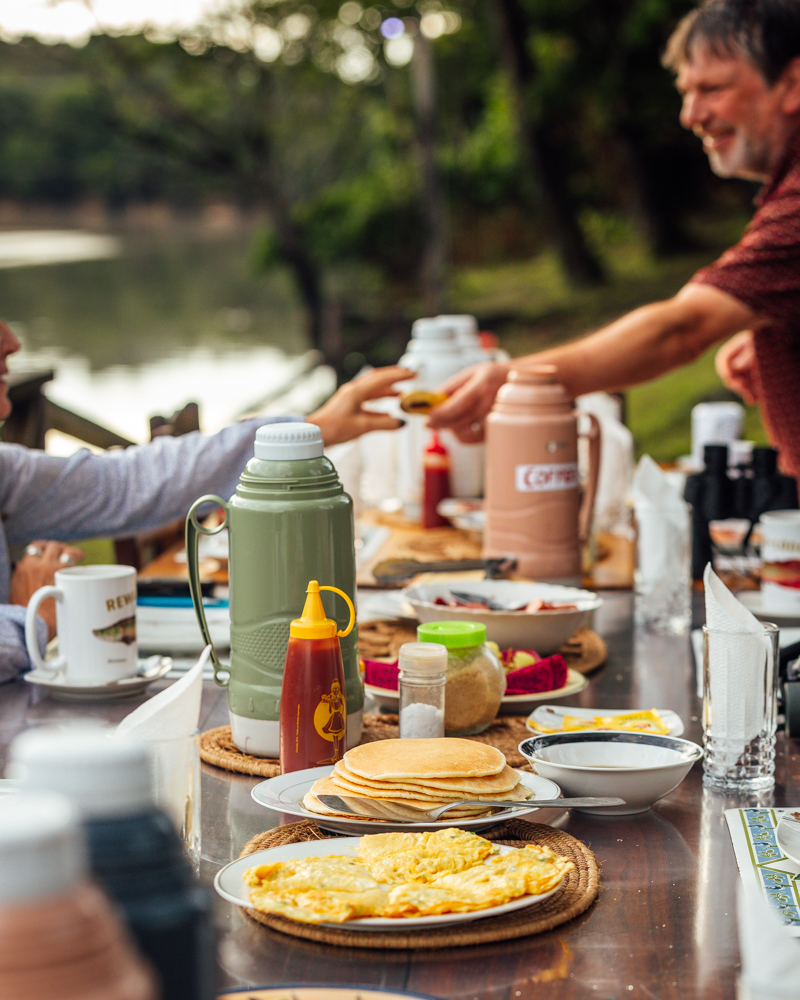
Bonus, you’ll be having a fantastic breakfast right by the riverbank!

Georgetown
Most people treat Georgetown as just a stopover. That’s a mistake. Here’s what they miss!
Georgetown, the capital of Guyana, holds a unique charm and several distinctive features that make it special. It’s a low-key capital with colonial architecture, lively markets, and a strong food scene, best experienced as a short stay before heading into the interior or after returning from the rainforest and savannahs.
Georgetown City Tour
If you want context before heading deeper into Guyana, booking the Georgetown City Tour is the easiest way to do it. You’ll explore colonial streets, wooden heritage buildings, and everyday neighborhoods with a local guide who explains how the city actually works.
The highlight of Georgetown had to be the National Park and its pond, home to a group of endangered West Indian Manatees. Pluck some grass, and go ahead and feed these beautiful animals. You can even touch them!


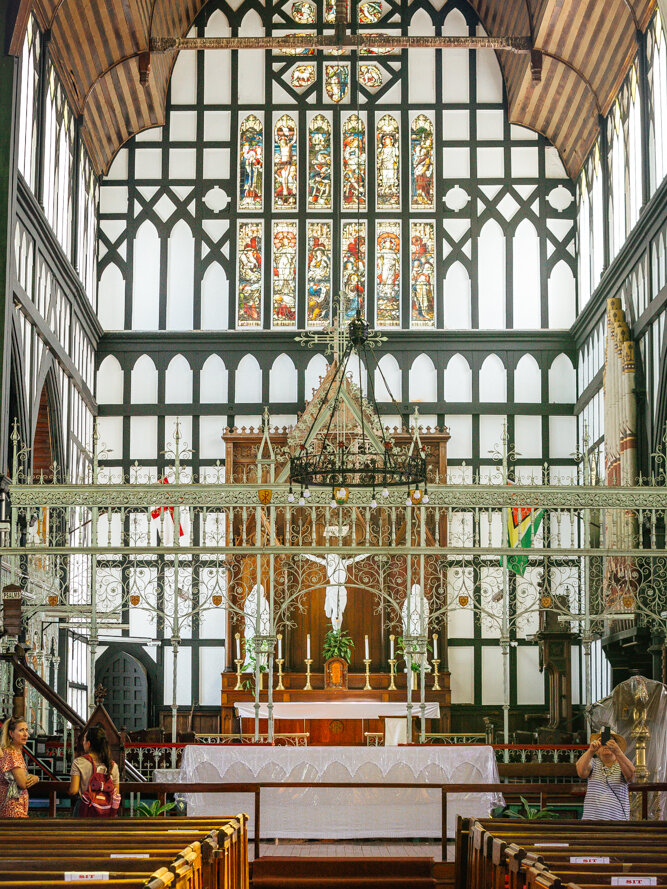
St. George’s Cathedral
St. George’s Cathedral in Georgetown is a remarkable wooden structure, standing tall as one of the world’s tallest free-standing wooden buildings.
Built in 1899, it showcases stunning Gothic architecture with intricate details like stained glass windows and a soaring spire.

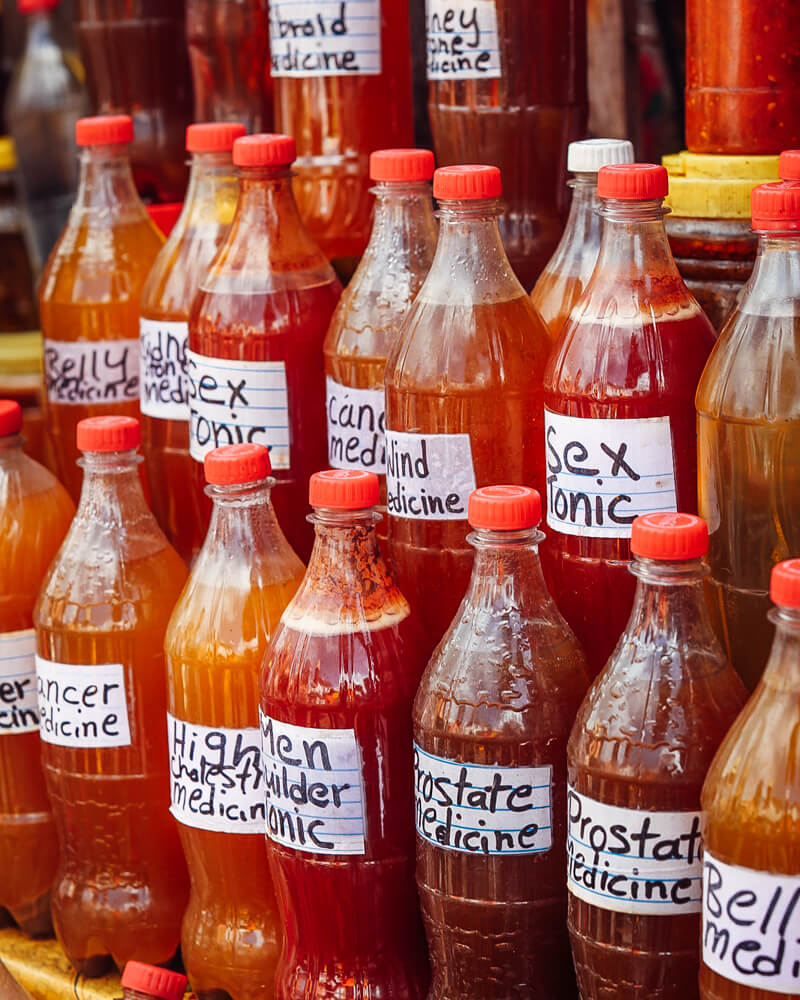
Bourda Market
Afterward, you’ll delve into Bourda Market with its fish and meat section. The bustling market offers a sensory experience with diverse goods, including rice, demerara sugar, fabrics, and bush (or witchcraft) medicine stalls.
Strolling over Bourda Market is a paradise for photographers and anybody interested in local life.


Georgetown Foodie Walk
Your full-day Georgetown tour starts early in the morning. We embark on a culinary adventure with Chef Delven Adams, exploring Bourda Market, Georgetown’s largest market. Essentially, you’re following the ‘Gordon Ramsey Food Trail’, discovering all the secret eateries and food stalls. The best part? You can sample some of Guyana’s best delicacies!



Sunset Cruise & Roosting Scarlet Ibis
A visit to Georgetown should end with a sunset cruise on the Demerara River. This evening Demerara River cruise shows a completely different side of Georgetown.
Navigating beneath the Demerara Harbour Bridge, your boat docks by a mangrove, a favored nightly spot for diverse bird species.
Amidst this tranquil scene, vibrant Scarlet Ibis, graceful Snail Kites, majestic Herons, and three distinct Egret varieties grace the sky, finding refuge in the mangroves as night descends.
The Scarlet Ibis in particular, captivated all of us with its striking scarlet plumage, symbolizing beauty and nature’s wonders in the heart of Guyana.


How to Travel Guyana Like This
Traveling independently in Guyana’s interior is challenging. Distances are vast, roads are limited, and many of the most spectacular places are only accessible by small aircraft.
The easiest and most rewarding way to experience Guyana’s savannas and waterfalls is through a guided multi-day expedition.
These are the two routes I’d recommend depending on how much time you have
5 Days – Private Rupununi Experience: Same iconic landscapes, no group. You move at your own pace, linger where you want, and get a guide entirely focused on you! It costs more, but the experience is incomparable. Reserve this if you travel for depth, not just highlights.
9 Days – Full Rupununi & Kaieteur Adventure: This is the one. Savannas, rainforest, Indigenous lodges, giant otters, Kaieteur Falls – the whole picture. It’s the closest thing to the route I took with Wilderness Explorers, at a fraction of the price. Book this if Guyana is the trip, not just a stop.
I traveled this route with Wilderness Explorers on a press trip, staying at lodges like Wichabai Ranch, Waikin, and Rewa Eco-Lodge. The tours here cover the same regions and a very similar experience, though the exact lodge stops may vary slightly. The landscapes, wildlife, and culture are identical!

Essentials To Know for Your Guyana Trip
Mobile coverage works well in Georgetown, but becomes patchy once you travel inland. I recommend setting up an eSIM for Guyana before arrival so you’re connected as soon as you land and don’t have to rely on finding a local SIM.
You can visit Guyana year-round, but drier conditions generally make travel easier, especially for interior flights and excursions.
Prepare yourself for the delicious Guyanese cuisine! It is a fusion of Indian, African, Chinese, Creole, and other that totally surprised me. Dishes like Pepperpot or salted fish for breakfast were delicious.
How to Get to Guyana
Most people fly into Cheddi Jagan International Airport (GEO) in Timehri, just outside Georgetown, located about an hour from Georgetown. From the airport, private taxis or pre-booked transfers are the easiest way to reach your hotel in Georgetown
Visa for Guyana
Most western passport holders can enter Guyana visa-free for up to 30 days, including citizens of the US, UK, Canada, Australia, and most EU countries.
Currency
The local currency is the Guyanese Dollar (GYD). USD is widely accepted and most businesses in Georgetown, and many tours are priced in USD. That said, once you leave the capital, cash becomes essential. ATMs are available in Georgetown but essentially nonexistent in the Rupununi.
Withdraw enough local currency before you leave the city. Getting a Wise card is the most practical way to handle this since you can hold USD, withdraw at the best available rate, and avoid the conversion fees that standard bank cards charge.
Is Guyana Safe?
Guyana’s interior is genuinely safe. Georgetown is a different story and requires the same awareness you’d apply in any unfamiliar city. Stick to the main tourist areas around the historic district, use pre-booked taxis rather than hailing from the street, and avoid wandering alone after dark in areas you don’t know.
Guyana is remote in a way that most destinations aren’t. If something goes wrong in the Rupununi, the nearest proper medical facility is hours away by road or small aircraft. I never travel without SafetyWing for exactly this reason. It covers emergency evacuation which in a country like Guyana is the one thing you genuinely can’t afford to skip.
Budget range for Guyana
Guyana is truly not a budget destination. The remoteness that makes it so special is also what makes it cost more than your average South America trip. Guided multi-day tours, which are the most practical way to experience the interior, start from around $6,400 to for a 5-day private experience and $6,600 upward for a full 9-day expedition including internal flights, accommodation, and guiding.
Where to Stay in Georgetown
Finding the right base in Georgetown is all about balancing safety, comfort, and access to the city’s colonial landmarks. While the heart of the city is home to bustling markets and historic wooden architecture, many travelers prefer staying just on the outskirts for a quieter, more secure atmosphere.
The Heritage Choice: Located in the heart of the historic district, Cara Lodge is a meticulously preserved 1840s colonial mansion that offers a rare chance to live inside a piece of Guyanese history. Home to the legendary Bottle Bar & Restaurant – the city’s premier dining destination – it is the perfect sanctuary for heritage lovers, slow travelers, and those seeking an intimate, soul-stirring retreat. Book your stay at Cara Lodge if you want an authentic, upscale connection to the true spirit of Georgetown.
Located just on the outskirts of Georgetown, Grand Coastal Hotel is the perfect middle ground for travelers who want easy city access without the downtown noise. The hotel offers a range of spacious, budget-friendly rooms, all equipped with cold A/C, reliable WiFi, and ensuite bathrooms. Book your stay at Grand Coastal Hotel if you are looking for a comfortable, secure base to start your Guyana adventure.
The Caribbean Soul Restaurant, renowned for its local and international cuisine, offers a lovely indoor and outdoor dining experience. It’s a great place to unwind with an evening drink by the pool.
Book The Best Georgetown Guyana Hotels


Guyana doesn’t try to impress you. There are no crowds, no souvenir shops at the waterfall, no queue for the wildlife safari. It just exists – vast, quiet, and completely indifferent to whether tourism finds it or not.
That’s exactly why you should go now, before it does.
Above all, community tourism plays a significant role when visiting the best places in Guyana. Consider bringing gifts like pencils, pens, or stickers for schools you may visit or any remote villages.
Are You Keen on Seeing More of South America? Check Out my Other Articles!
Top 2 Week Colombia Itinerary – Hidden Gems & Local Secrets
If you’re after a Luxury Cruise to tick off the Galapagos Islands, this article is for you!
Have you been to Cuba? Cuba, Havana Tips Guide To the 18 Best Things to Do
Disclaimer: This article contains affiliate links. If you purchase using these links, I earn a small commission at no additional cost to you. I only recommend services and tools I know and trust myself. The trip was arranged by the Guyana Tourism Authority, all opinions are my own!
Pin it for later!

Leave a Reply Cancel reply