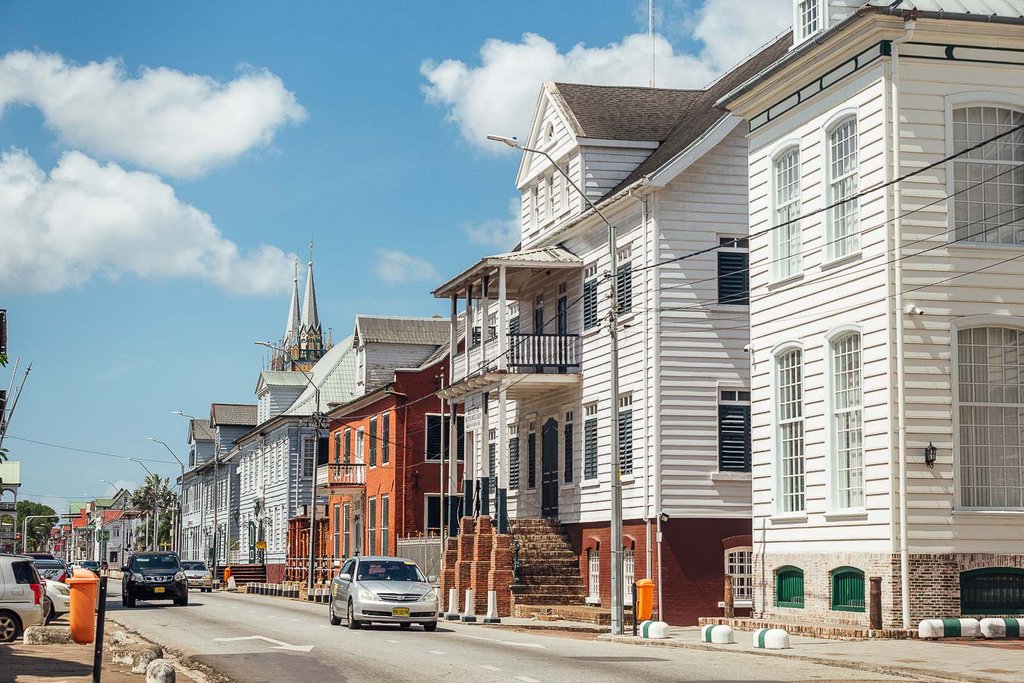
If you’re searching for the best hotels in Suriname, the first decision is whether to stay in Paramaribo or venture beyond the capital. The city is the natural starting point, with its historic wooden houses, leafy streets and remarkable mix of cultures.
Coming from Guyana, Suriname truly surprised me with its welcoming locals, slower pace of life, and charming city atmosphere. If you think you only need a few days, think again – you might want to stick around and unwind from a longer trip.
But Suriname has another side along the rivers outside the capital, where former coffee and cocoa plantations let you experience the country’s history at a much slower pace. This guide covers those three first-hand, plus two more hotels worth considering that I haven’t stayed in myself, and I’ll always tell you which is which.
Should you stay in Paramaribo or outside the capital?
For most trips, the answer is both. Paramaribo is where you’ll spend your days walking, eating and photographing. The hotel I recommend vary more than you’d expect, from a quiet, homely base to a historic house with a library. The plantations of Commewijne are a completely different side of the country, and I’d plan at least one night there rather than treating it as a quick day trip.
If you only have a few days, base yourself in Paramaribo and add a night at Frederiksdorp if you can.
Map of the Best Hotels in Suriname, Paramaribo – What to See, Do and Where to Eat
Best Hotels in Paramaribo
Villa Famiri: A Small, Homely Base With a Garden
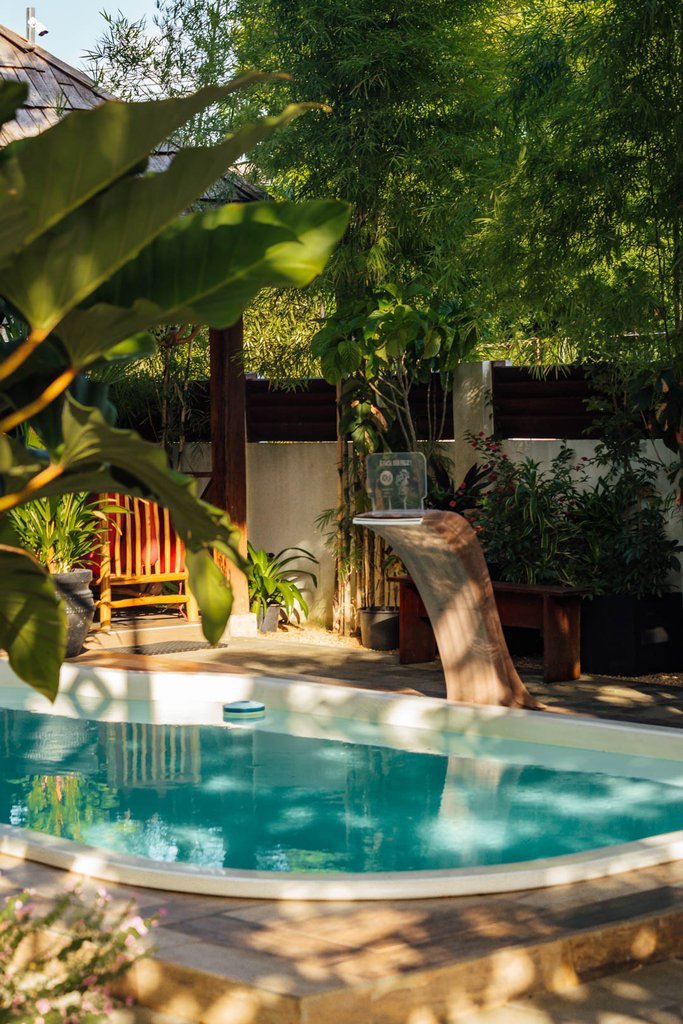
Villa Famiri Boutique Hotel was the first place I stayed in Suriname, and it felt very homely, more like staying with family than checking into a hotel. There are only a few rooms, which gives it a calm, personal atmosphere, and the lovely garden and little pool are exactly what you want after a hot day exploring. The neighbourhood is lovely too and easy to explore on foot, though expect a bit of a walk to some of the main sights.
Book Villa Famiri if you want a quiet, personal stay with outdoor space. Skip it if you’d prefer a larger hotel with more facilities, or want to step straight out into the historic centre.
Greenheart Boutique Hotel: Historic, Characterful and Full of Surprises
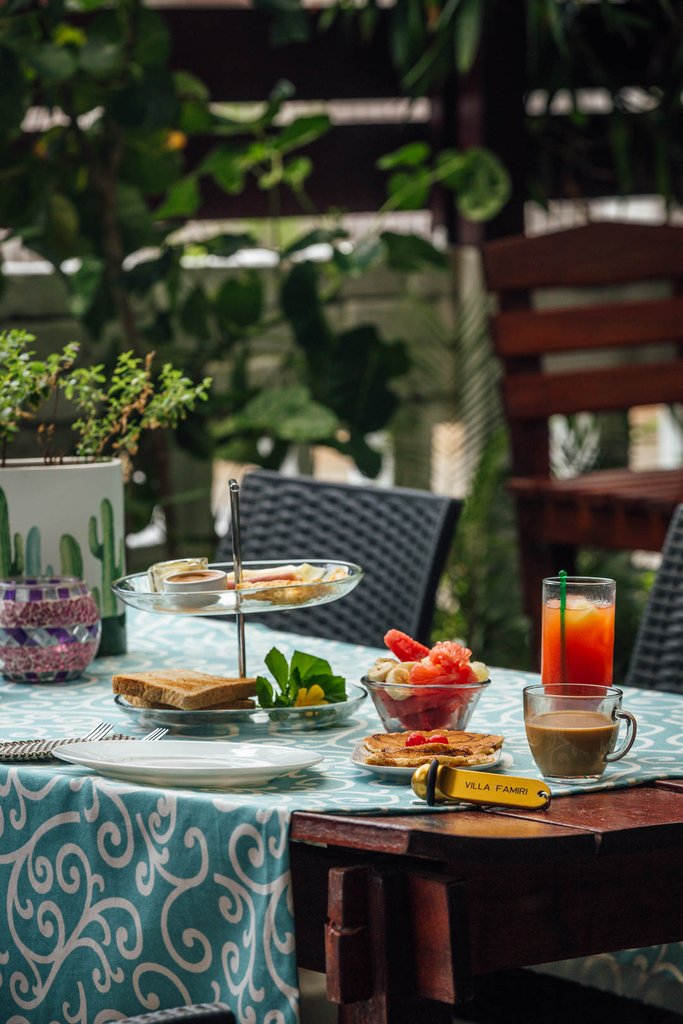
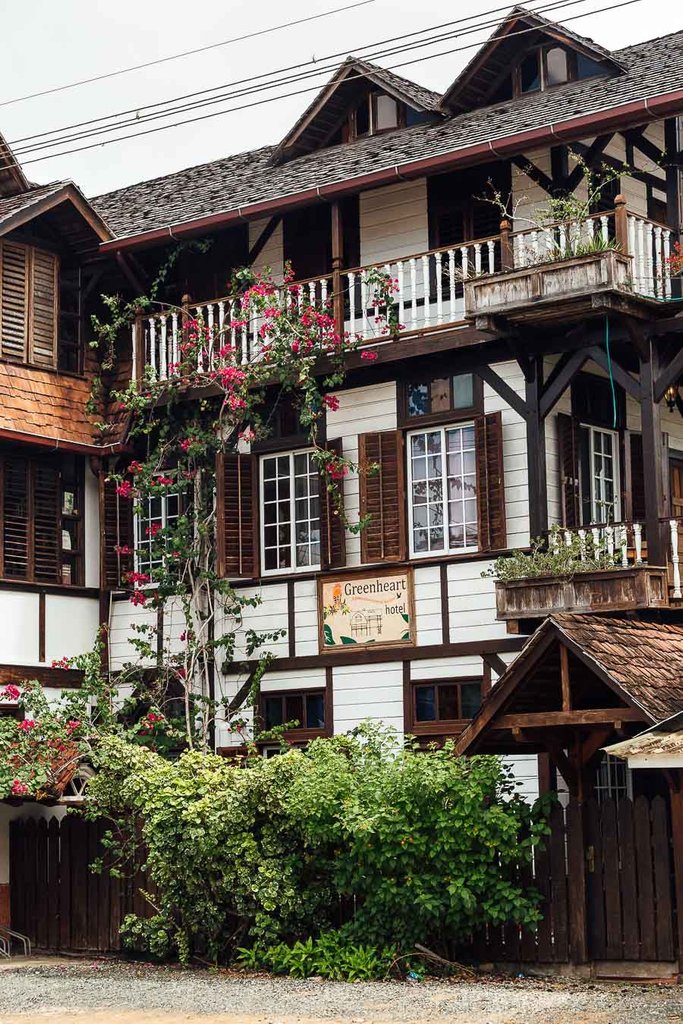
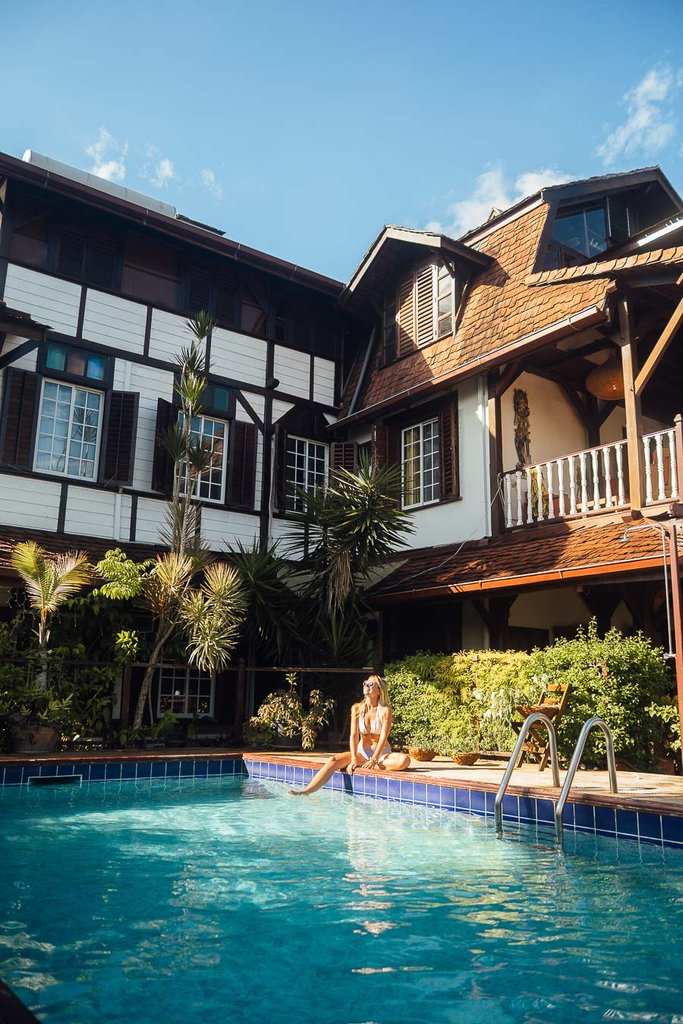
Greenheart is the bigger of my two Paramaribo stays, and the one with the most character. The building is historic and the rooms are very unique, which I loved, because none of them feels like a standard hotel room. There’s a library full of old books, a bigger pool and whirlpool, a lovely pet tortoise, and a great breakfast selection to start the day.
The ‘wow’ factor: a historic house with unique rooms, a library of old books and a pet tortoise.
Book Greenheart Boutique Hotel if you want history, character and a bit more space and facilities.
Two More Paramaribo Hotels Worth Considering
Royal Torarica is an established upscale hotel with views of the Suriname River, landscaped gardens and a range of rooms and suites. Book Royal Torarica if you want a full-service hotel with conventional facilities in the city. It’s one of the best hotels in Suriname for a while!
Yasmin Luxury Resort is a resort-style stay in the Rainville area, about 7.6 km from the Central Market, with an outdoor pool, a fitness centre, a garden and free private parking. Reserve Yasmin Luxury Resort if you want pool-side space and easy parking, and don’t mind taking a taxi into the centre.
Best Stay Outside Paramaribo
Plantation Resort Frederiksdorp: Sleeping on a Historic Plantation
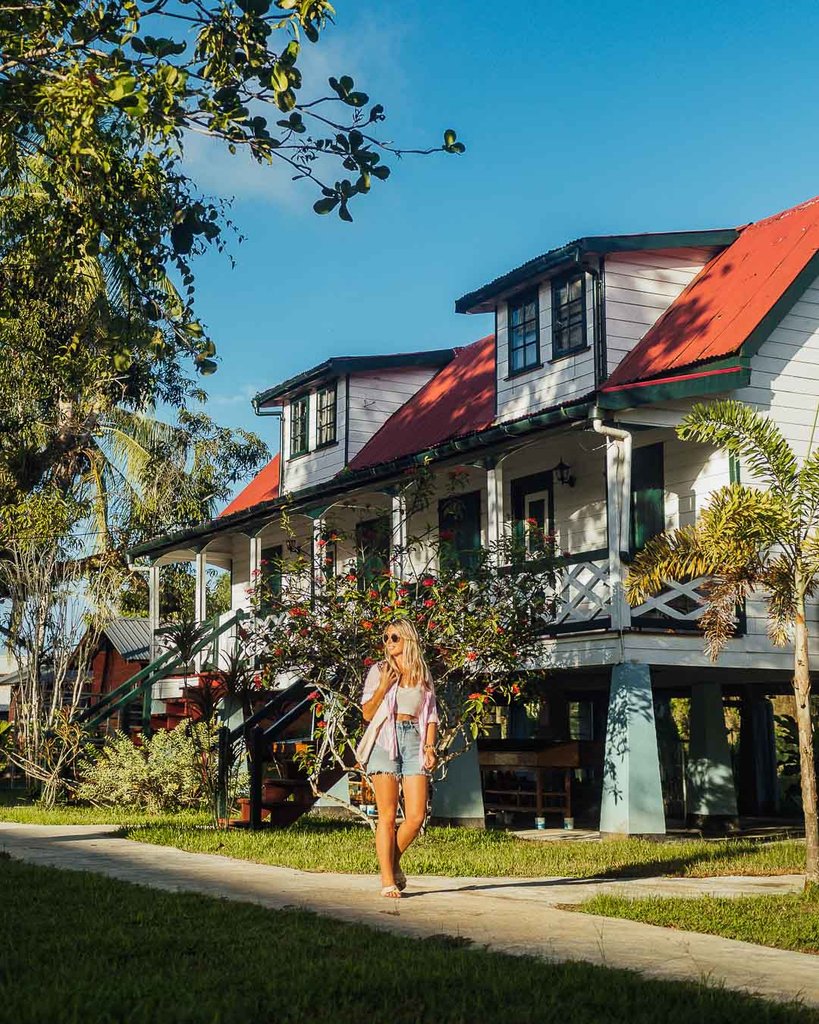
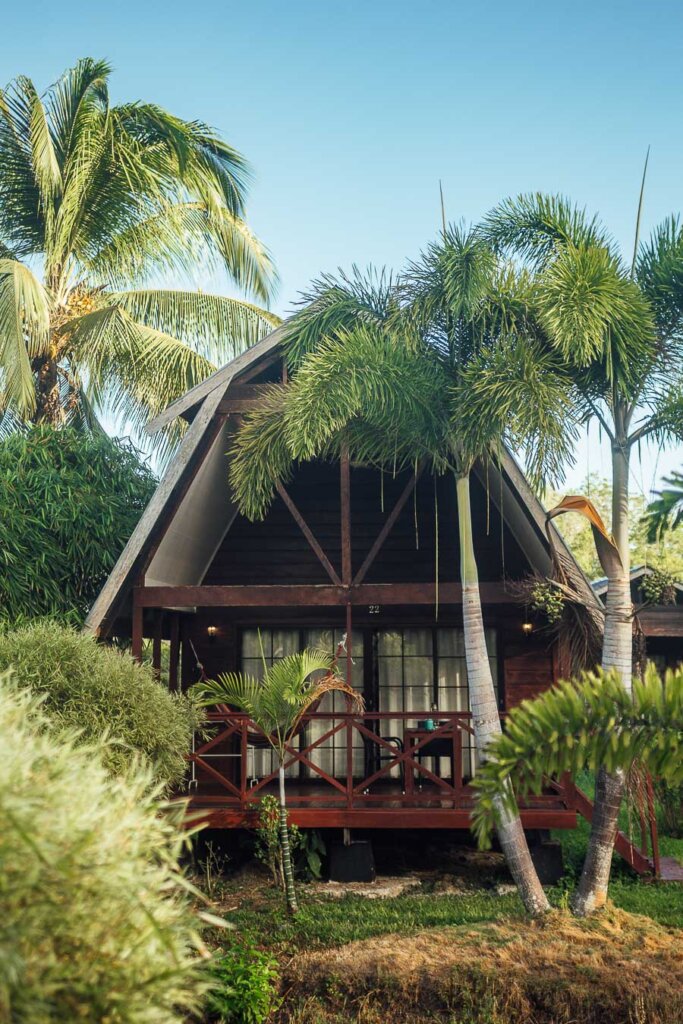
Frederiksdorp was the most memorable stay of the three, and the most interesting. The history alone is worth the trip: it was founded in 1747 as a coffee plantation, later used for cocoa, and sits on the Commewijne River.
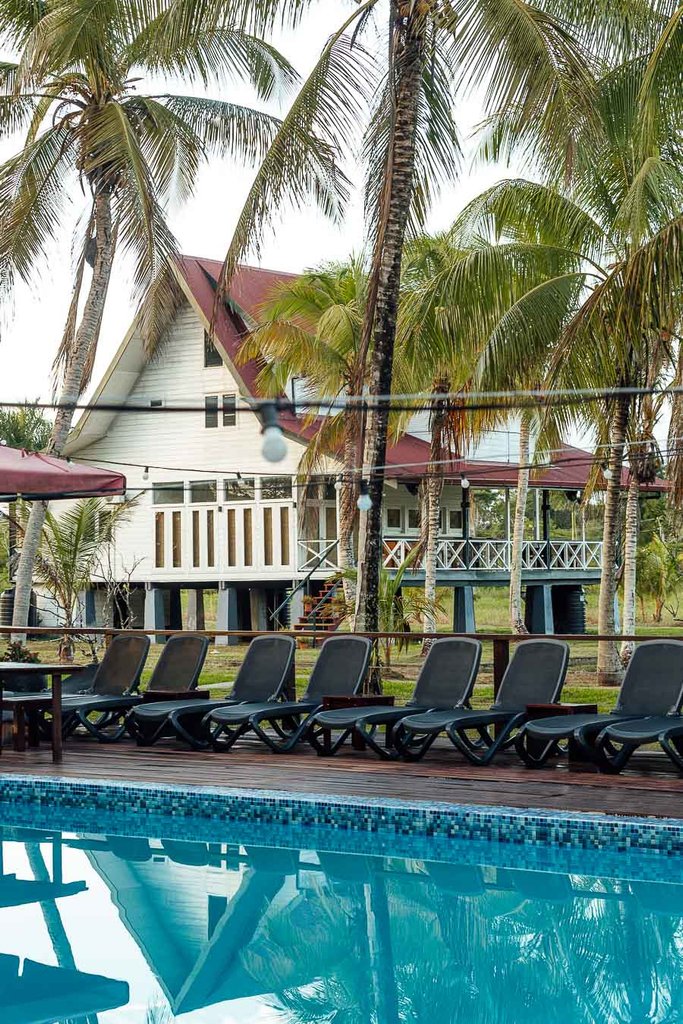
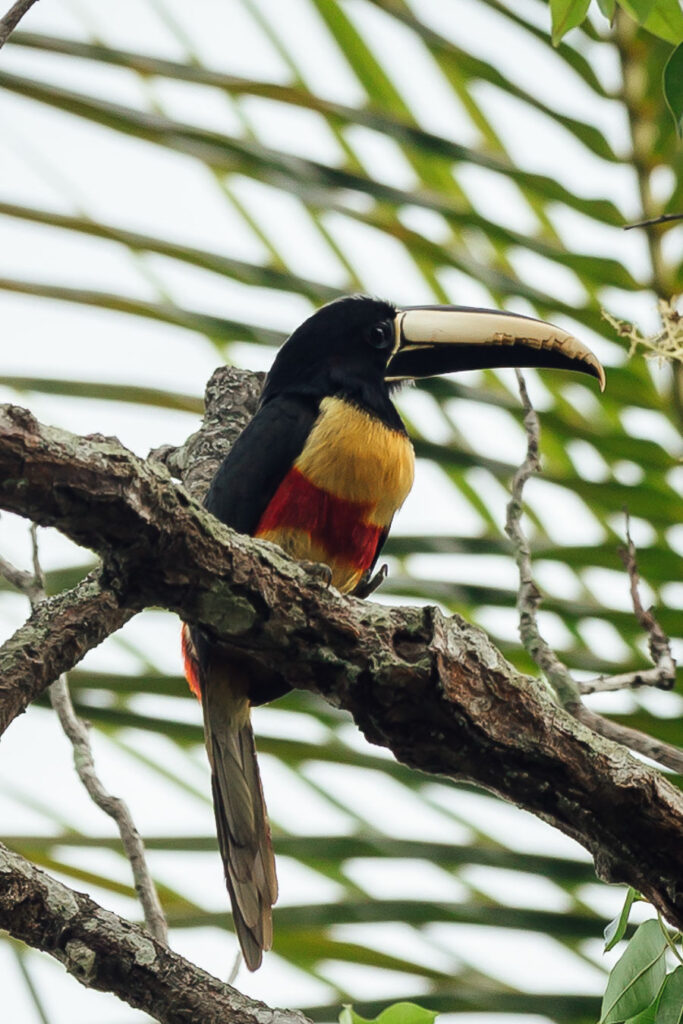
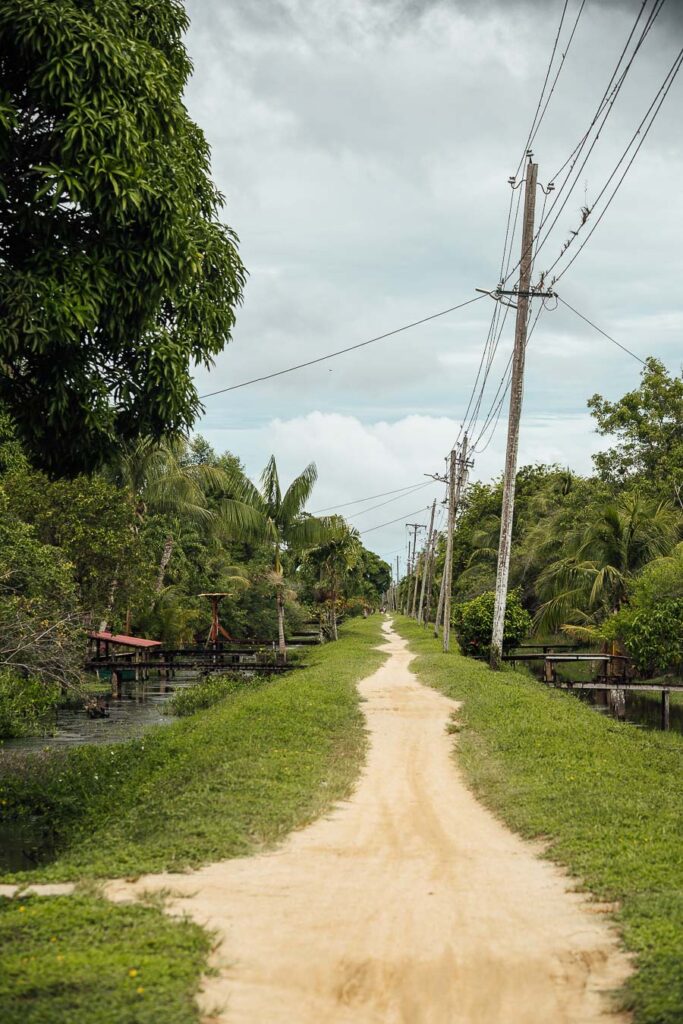
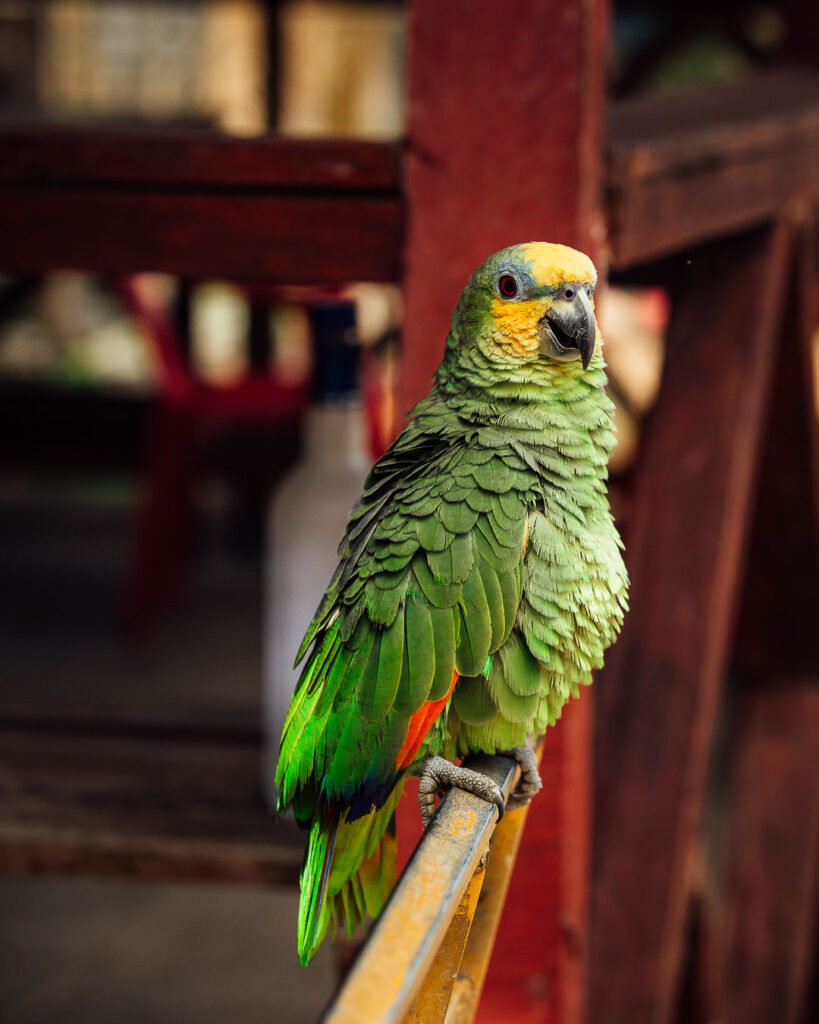
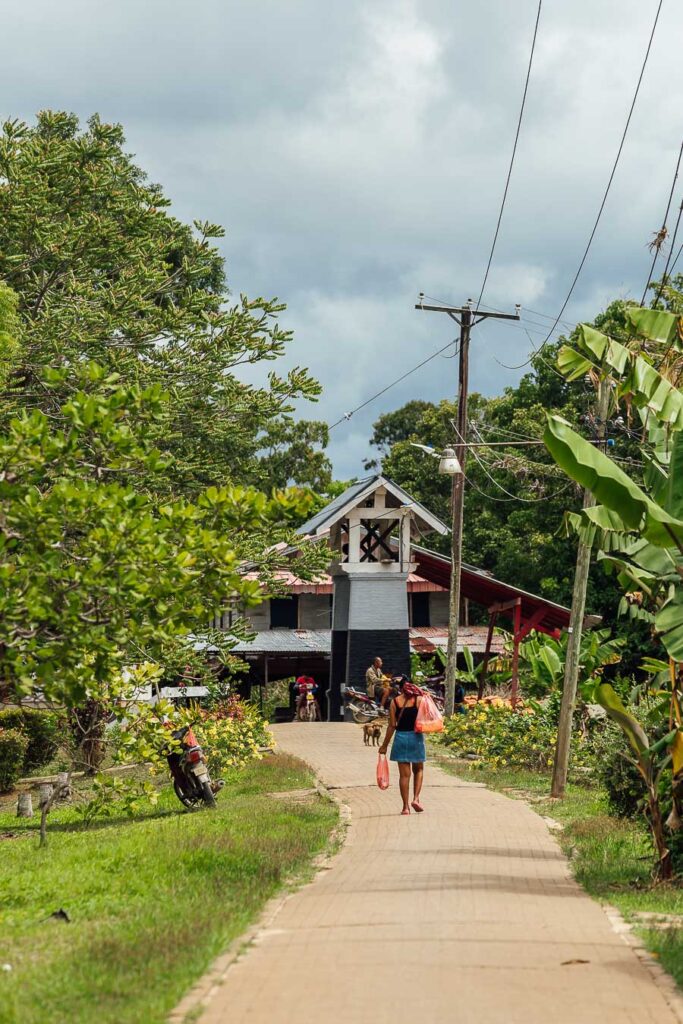
You can sleep in the old guard quarters, or choose one of the larger villas in the palm garden if you prefer something lusher. The grounds are full of wildlife. We saw tropical birds, toucans, and even a snake. There’s also a lovely walk to the neighbouring village, where you can see everyday life as it really is.
The ‘wow’ factor: spending the night on a historic plantation with wildlife all around you.
Book Plantation Resort Frederiksdorp if you want history, nature and a slower pace outside the city. Skip it if you’d rather keep logistics simple, since getting there takes more effort than staying in town.
Things to See and Do in Paramaribo
If you’re basing yourself in the capital, these are the places I’d visit. Although I was travelling solo, I met a friend along the way who connected us with a local host who gave us a little city tour. On other days, I walked the city center alone and I always felt safe!
Want the stories of the city? Booking this guided city tour of Paramaribo with a local guide can tell you the history behind the houses, churches and landmarks you’d otherwise just walk past. You’ll see more in a few hours than you would wandering alone!
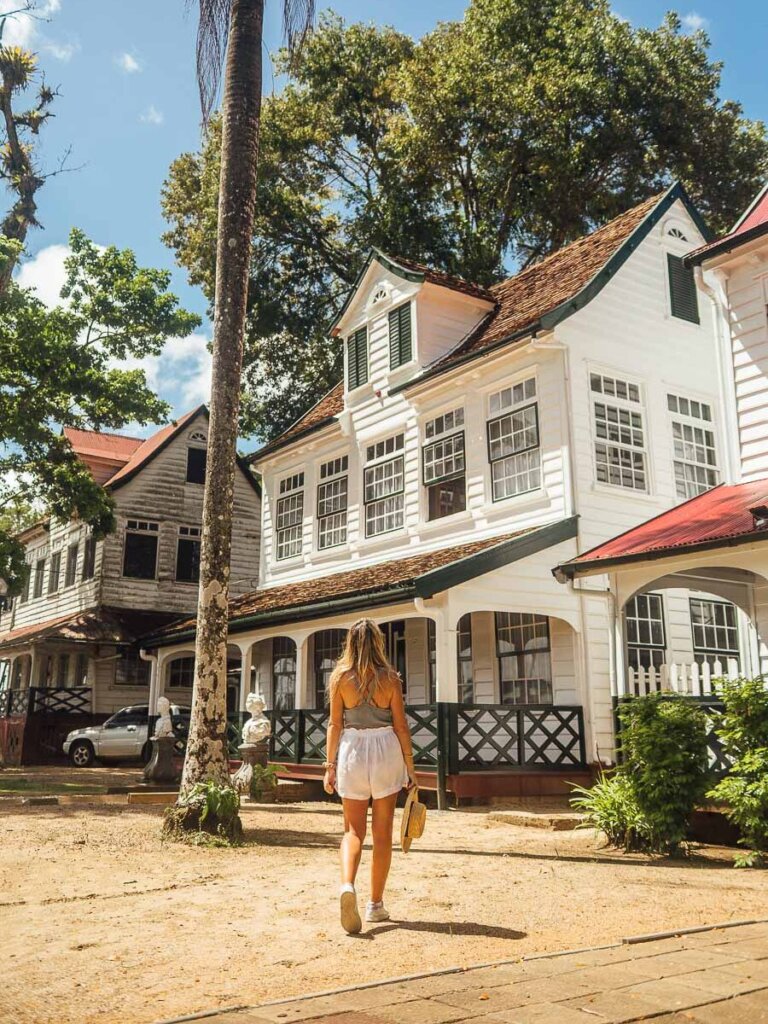
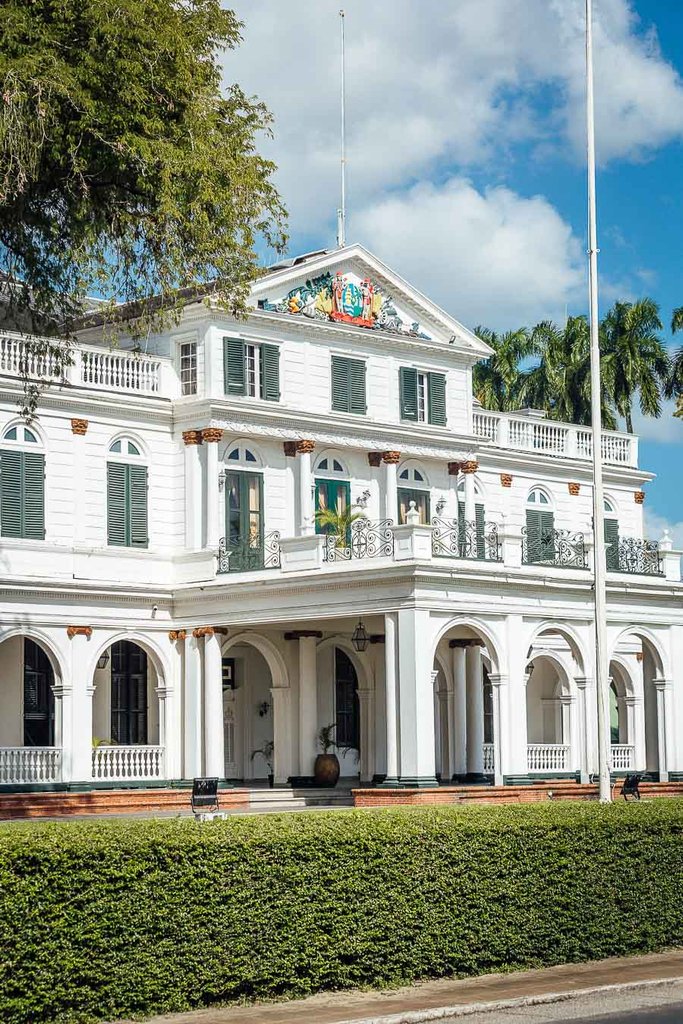
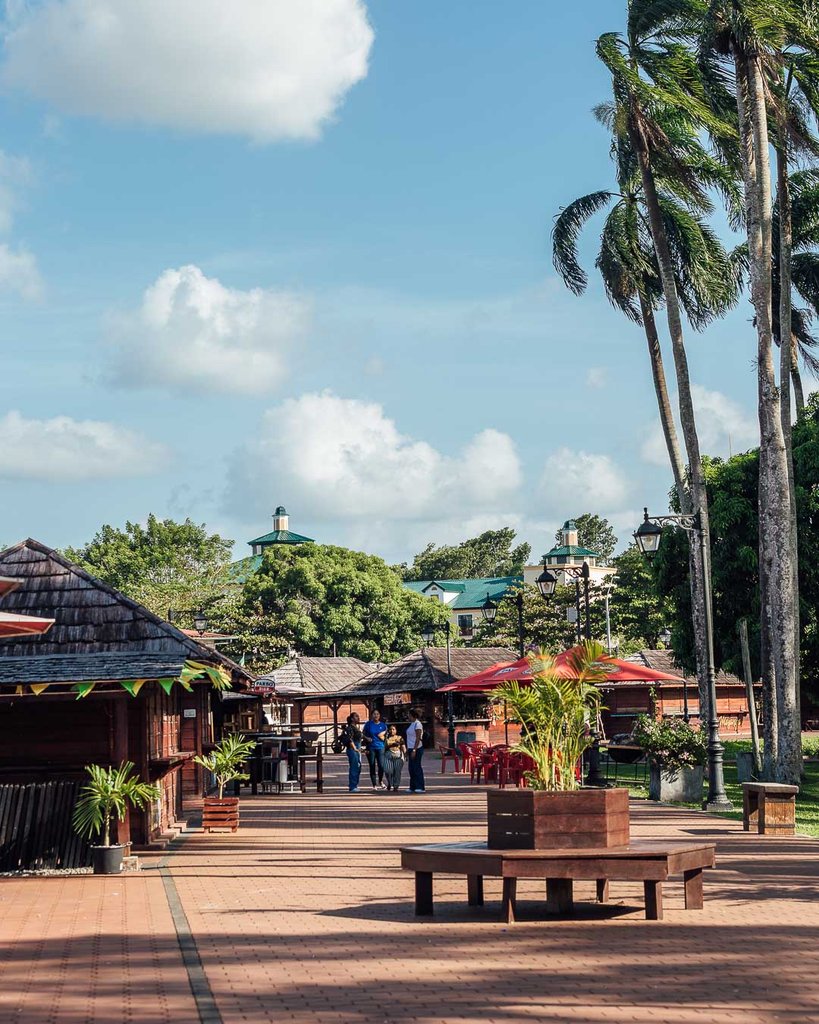
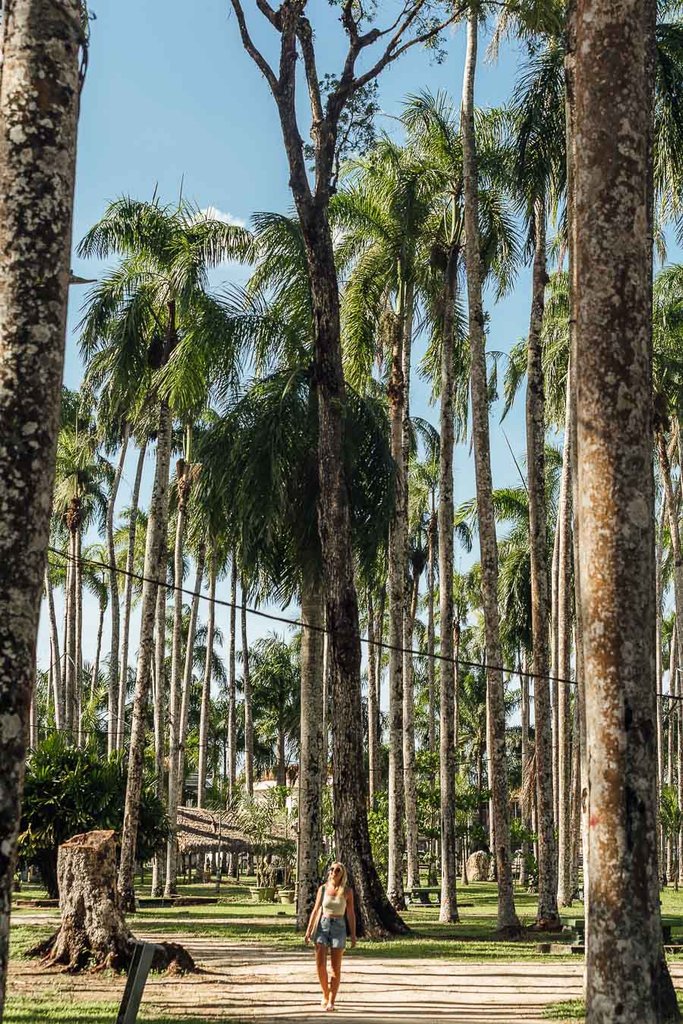
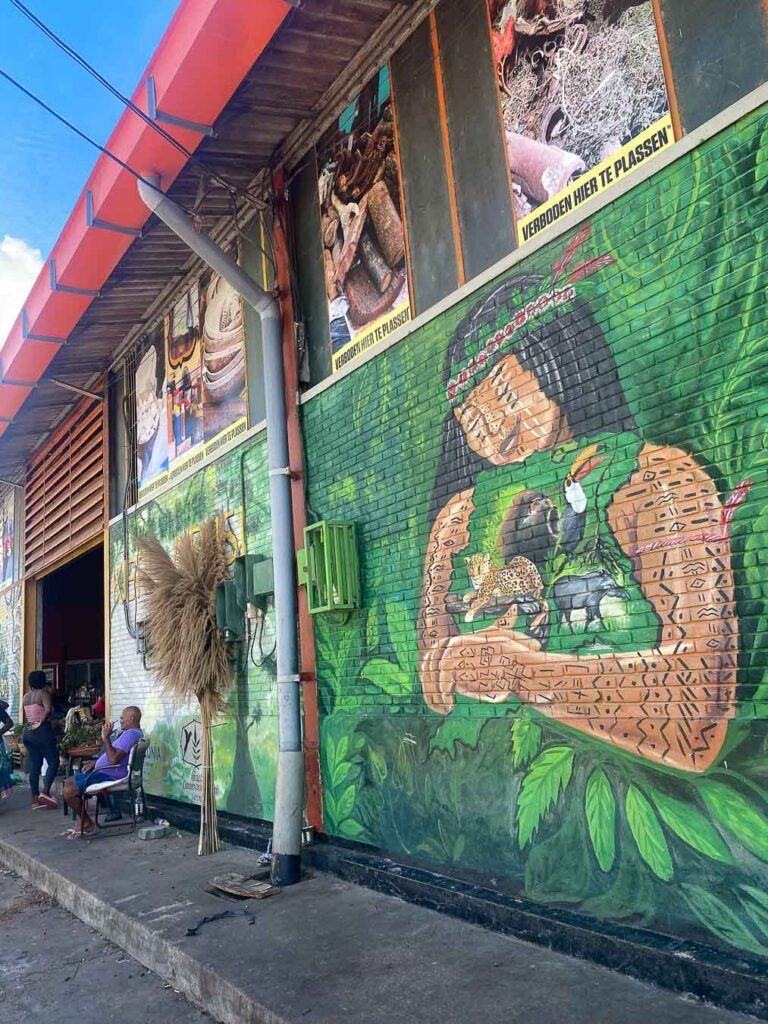
Paramaribo’s inner city is UNESCO-listed for its wooden architecture. Walk from the Presidential Palace and Independence Square down to the Waterkant rather than ticking off buildings one by one. Slip behind the palace into the Palmentuin, a fabulous palm garden of towering royal palms that’s also home to tropical birds and a troop of capuchin monkeys, and browse the handmade crafts sold from wooden cabanas near the entrance for souvenirs.
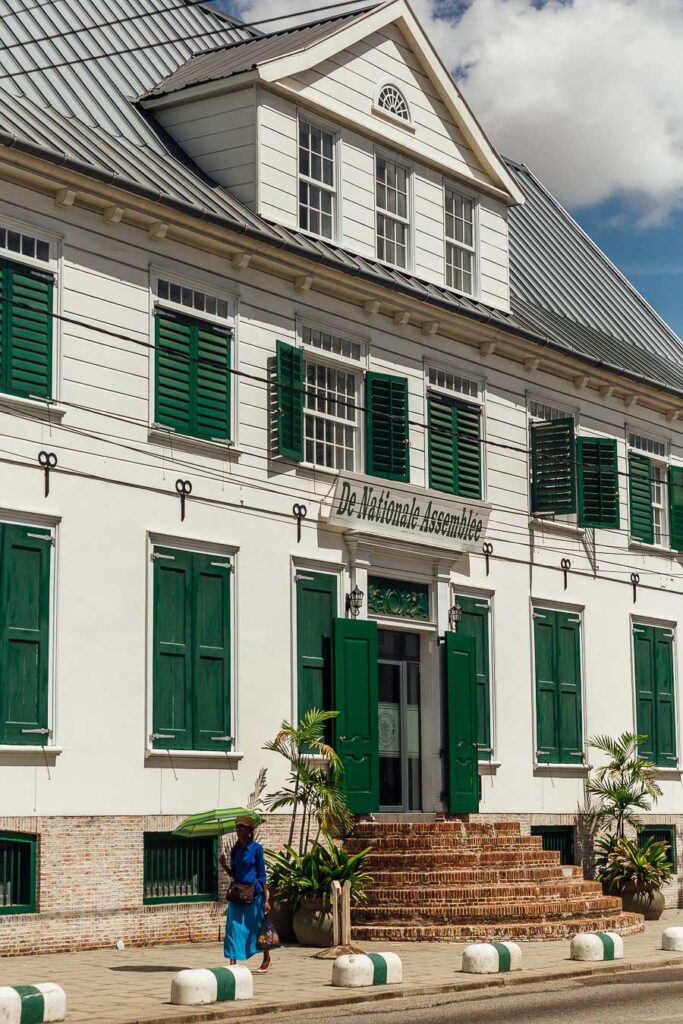
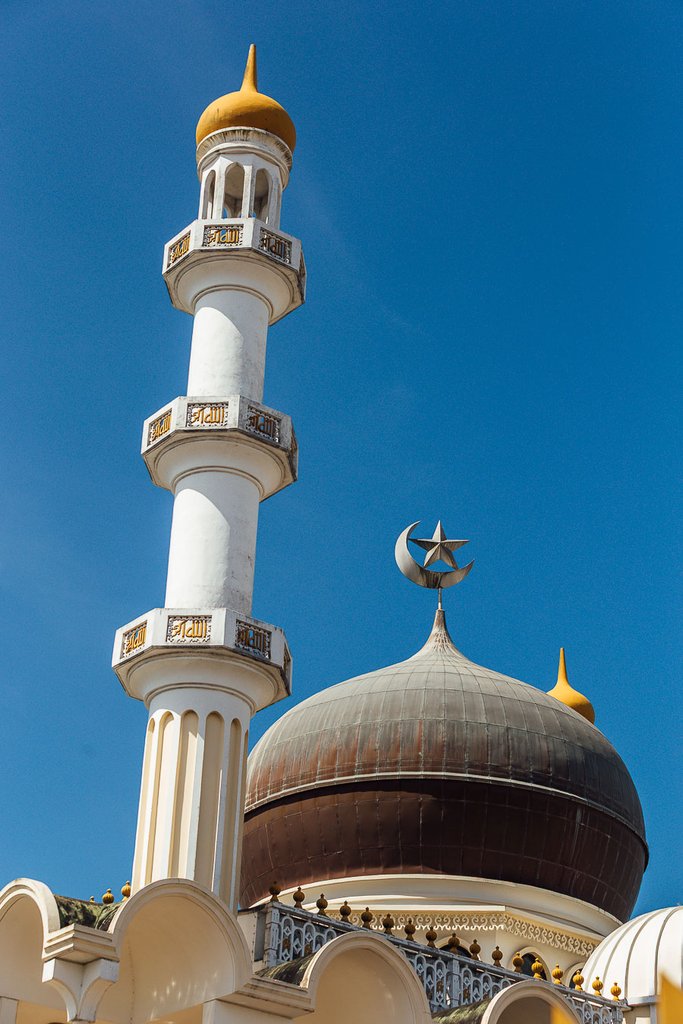
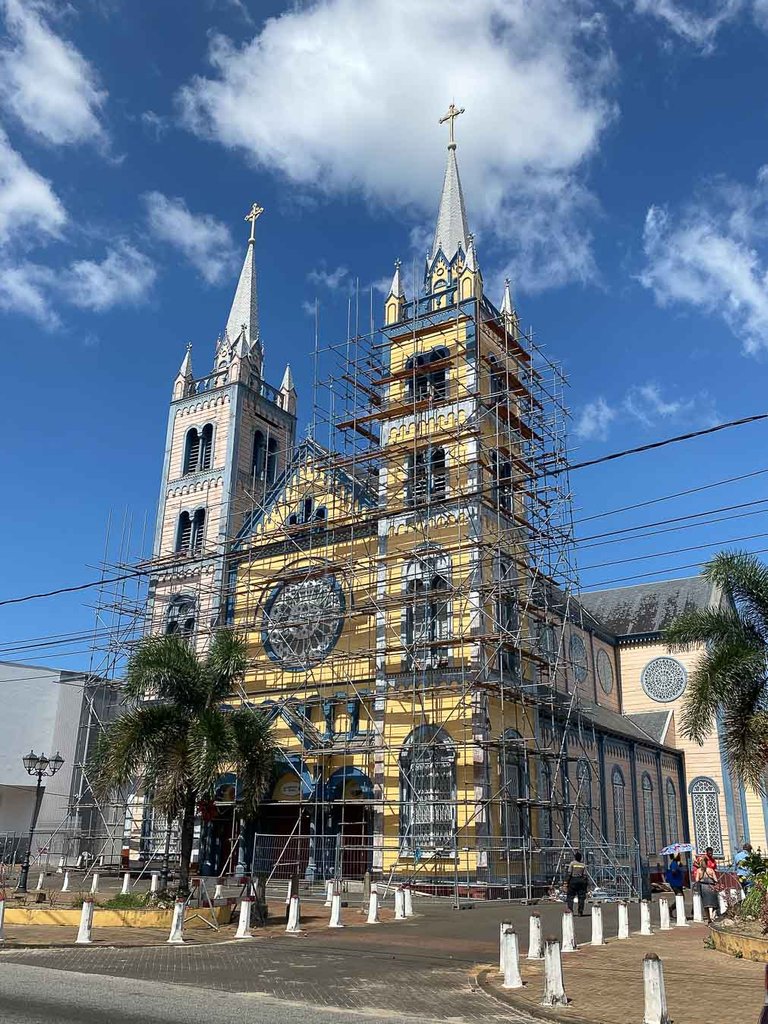
Pause on Keizerstraat, where the mosque and the Neveh Shalom Synagogue stand side by side, a small but striking picture of the city’s mix of cultures. Step into Saint Peter and Paul Cathedral, an enormous timber church that looks nothing like the colonial houses around it. Head to the Central Market in the morning, when the spices, produce and everyday life are in full swing.
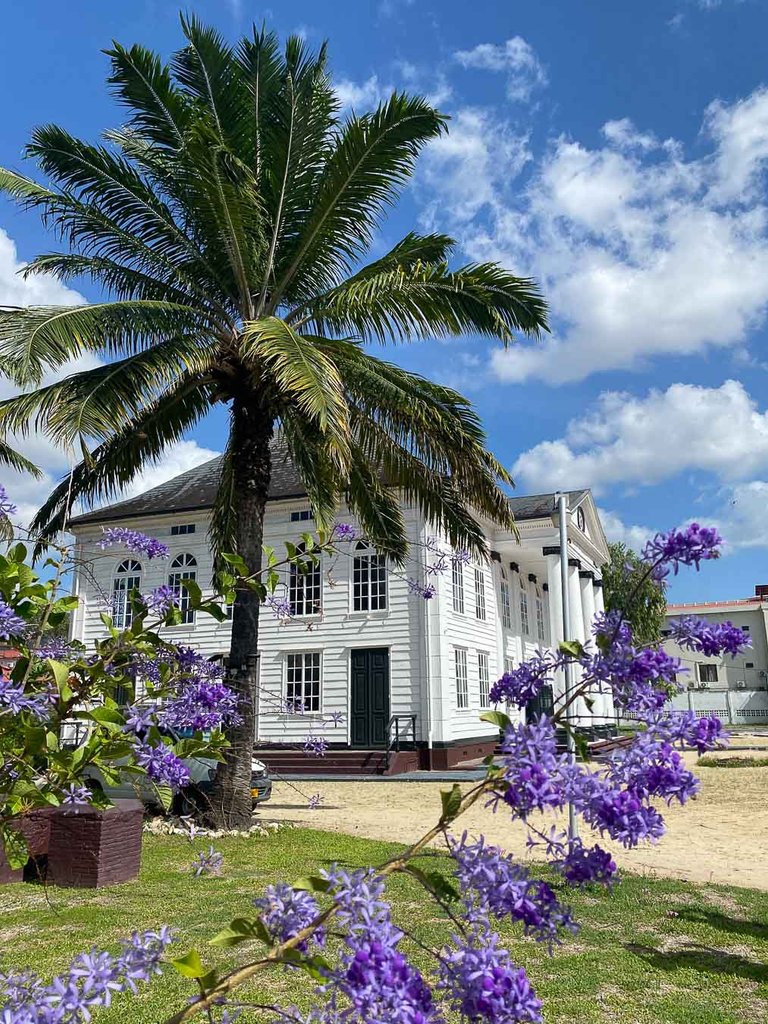
Spend a day, or a night, at Frederiksdorp.
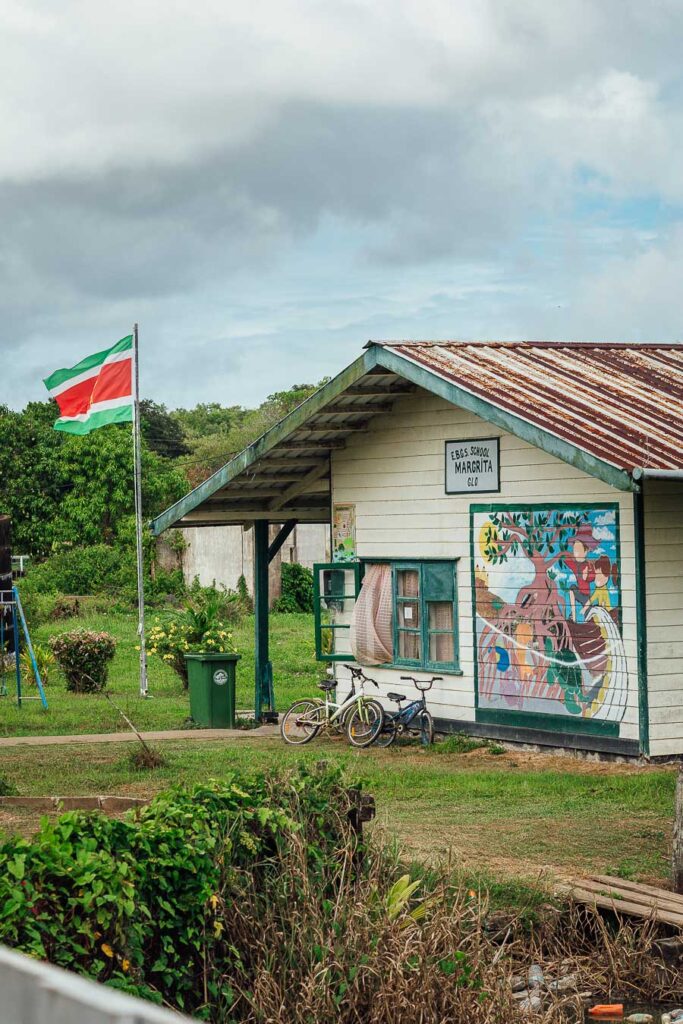
If you decide to make a visit out of Frederiksdorp, I highly recommend you stay a night or two. Visit the museum on site, wander the old plantation, take the walk to the nearby village to see everyday life, and pick up something from the little shop. Bring your camera, because the grounds are full of tropical birds, toucans included, which makes it a treat for birdwatchers (we even spotted a snake). It’s one of those unique hotels in Suriname that you won’t regret visiting.
If you’d rather skip the planning, this organized Plantation Tour with One Overnight Stay at Frederiksdorp takes in Fort Nieuw Amsterdam and the old Mariënburg sugar factory, with your night at the resort in between.
Brownsberg Nature Park
Need a break from the city? My hotel recommended spending a full day out in nature at Brownsberg Nature Park. A guided day tour takes the planning out of it and gets you out of Paramaribo and into the rainforest for the day. I sadly haven’t had time, but I can totally see the appeal. See the Full-Day Brownsberg Nature Park Tour here.
Where to Go After Suriname: Guyana and French Guiana
How to get to Guyana from Suriname
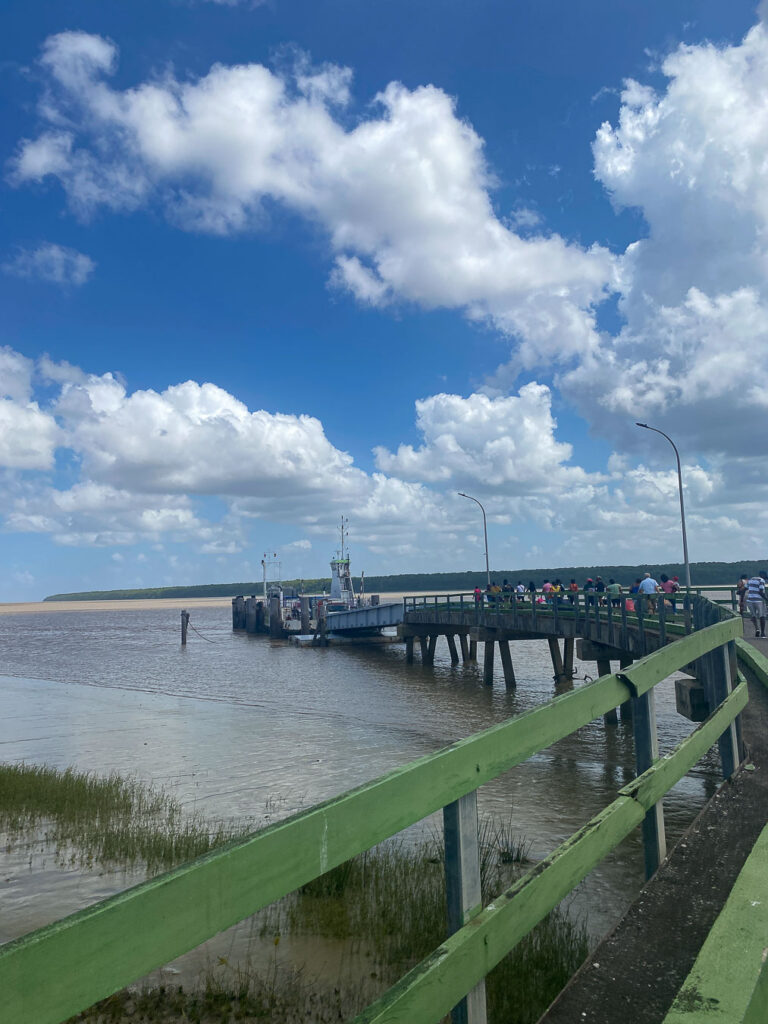
Suriname makes a great launch pad for the rest of the Guianas. The overland route to Georgetown is a proper adventure: an early pickup, a ferry across the Corentyne River, and a long day on the road that takes a good 10 hours or more. Shared vans cost about US$50, with the ferry ticket extra, and the pickup is between 4 and 5 AM for the 10:00 AM ferry. My Guyana guide covers the rest of the trip.
Day trip to French Guiana
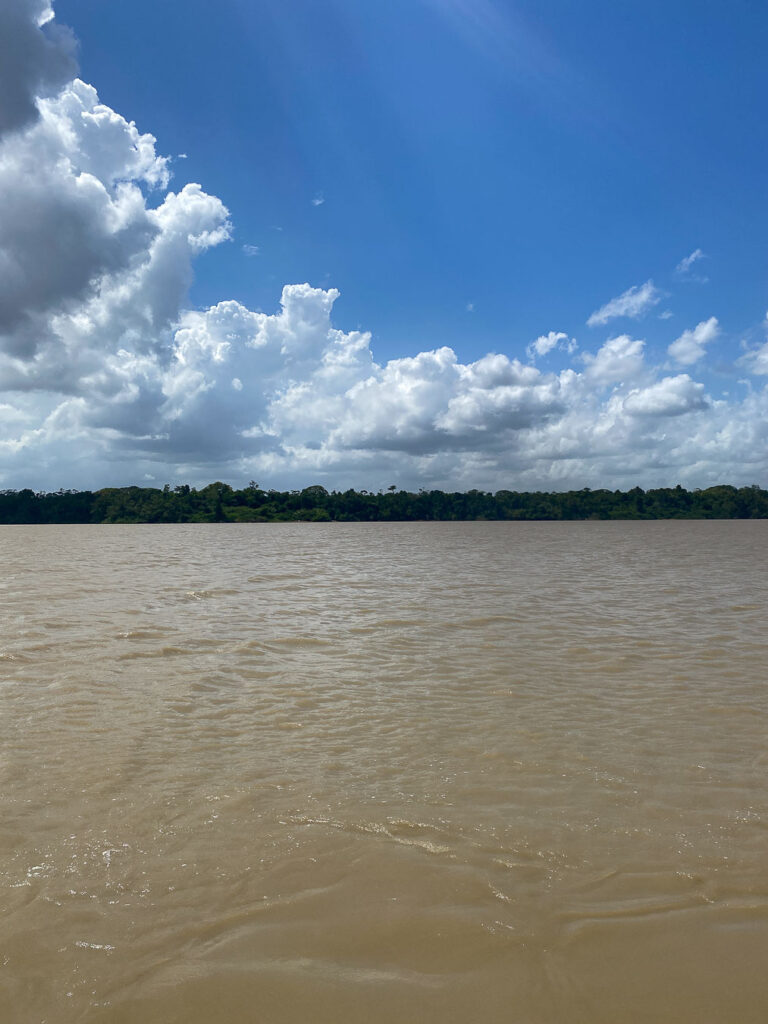
French Guiana is just across the Marowijne River from Albina, about 2.5 to 3 hours from Paramaribo, plus a 10 to 30 minute crossing by ferry or pirogue. That makes Saint-Laurent-du-Maroni an easy day trip, and EU citizens need no visa! It’s a charming former penal colony town, and a guided day trip can handle the border crossing for you.
Best Hotels in Suriname Essentials & Things to Get Before You Travel
Suriname eSIM Card
Set up a Suriname eSIM before you fly so you’re online the moment you land. Get a Suriname eSIM. Heading on to Guyana or French Guiana? Pick a regional plan, because Suriname-only eSIMs won’t work in neighbouring countries.
Money and travel insurance
I use Wise for spending abroad without hidden fees, and suggest you check SafetyWing for travel insurance.
Suriname Visa
Entry fee and visa: EU citizens don’t need a tourist visa, but every visitor pays an entry fee of USD or €50, plus an €8 handling fee, arranged online through VFS Global. Other nationalities need an e-Tourist Card or e-Visa on top, and costs vary, so check the official portal before you book.
Suriname is easy to underestimate. Between the wooden houses of Paramaribo and a night on a historic plantation, the stays I chose each showed me a different side of the country, and that’s the best reason to pick your hotels with care. I hope this guide on the best hotels in Suriname and where to stay in Paramaribo helps you plan your trip to the fullest!
Ready to trade rainforest adventures and historic streets for Caribbean beaches? Consider adding Barbados to your travels after Suriname.
This article contains affiliate links. If you purchase using these links, I earn a small commission at no additional cost to you. Thank you for your support! I only recommend services and tools I know and trust myself.
Leave a Reply