Sumba is, without a question, one of the best places to see in the whole of Indonesia! Despite being so close to touristy Bali and the popular Komodo National Park, Sumba remained very much off the radar for many travelers. But with its welcoming people, beautiful nature, unique traditions and off-the-grid vibe, Sumba must be on your Indonesia itinerary.
This post will show you 20 amazing places you HAVE to see in Sumba.
The island is home to ancient megalithic burial sites, traditional villages, and remarkable ikat weaving. Immerse yourself in the rich Sumbanese culture by witnessing traditional ceremonies, marveling at the stunning waterfalls, visiting stunning viewpoints, and soaking up the sun on pristine white-sand beaches like Nihiwatu Beach or Weekuri Lake.
Since coming to Bali in 2020, I heard of Sumba and planned on going eventually. I got the feeling that it’s a mystical island, with thousands of years old traditions, and incredibly beautiful nature, just one of these last underexplored places.

Things To Know Before Going to Sumba
How to Travel Sumba: Realistic Ways to Explore the Island
Option 1: Stay in West Sumba and Explore Independently
If you’re staying in West Sumba and prefer flexibility, you can explore independently by booking private day trips with a local driver to places like Weekuri Lagoon, Ratenggaro Village, Praijing, and nearby waterfalls, choosing your pace and stops along the way.
Option 2: Stay in West Sumba and Let Someone Handle Everything
If you want to see West Sumba without changing hotels, this multi-day West Sumba tour with a private driver and local guide also covers Weekuri Lagoon, Ratenggaro, Praijing Village, and key waterfalls while letting you travel at a relaxed pace
Option 3: Travel One Way from West Sumba to East Sumba
For travelers who want to experience the full contrast of the island, this West to East Sumba overland journey with accommodation connects cultural villages, waterfalls, savannah landscapes, and Walakiri Beach in one continuous route.
Because the drive between the two can take 4-5 hours, I highly recommend splitting your stay. To help you map out your route and pick the right hotels for your budget, I’ve put together a complete guide on where to stay in Sumba.
How To Get to Sumba Island?
Getting to Sumba is pretty easy, especially because of its two airports. Check the current flights from Bali to Tambolaka Airport (TMC) in West Sumba. It helps you plan the best dates. You can either fly with Nam Air or Wings Air and the flight takes about 50 minutes.
If you start in West Sumba and travel further to East Sumba you can easily fly out from Waingapu Airport back to Bali.
How Many Days in Sumba?
Sumba is not a place where you casually tick off sights. Distances are long, roads are rough, and you’ll rarely see more than one or two places per day.
- West Sumba: 3-4 days works well to see Weekuri Lagoon, Ratenggaro, Praijing Village, waterfalls, and still leave room for a beach afternoon or a slower morning.
- East Sumba: 2-3 days is enough if you’re continuing overland and focusing on Walakiri Beach, Wairinding Hills, and Waimarang Waterfall.
- Beach-focused stay: If you want downtime, surfing, or a resort-style stay, add 1-2 extra nights in South-West Sumba along the coast.
If you’re short on time, many travelers choose West Sumba only. If you want contrast and landscapes, combining West and East Sumba is worth it!
Sumba Travel Map: West & East Highlights
Get a clear view of Sumba’s top sights, hotels, and must-visit beaches. Use this map to plan your days, whether you’re exploring West Sumba, East Sumba, or combining both for a full island adventure.
How To Get Around Sumba
Being double the size of Bali, Sumba is considerably more difficult to explore than its neighbor. Missing infrastructure, flaky GPS signal, and a shortage of vehicles to rent (and extremely long queues for petrol) make this island more challenging to drive yourself.
Is It Safe to Travel to Sumba?
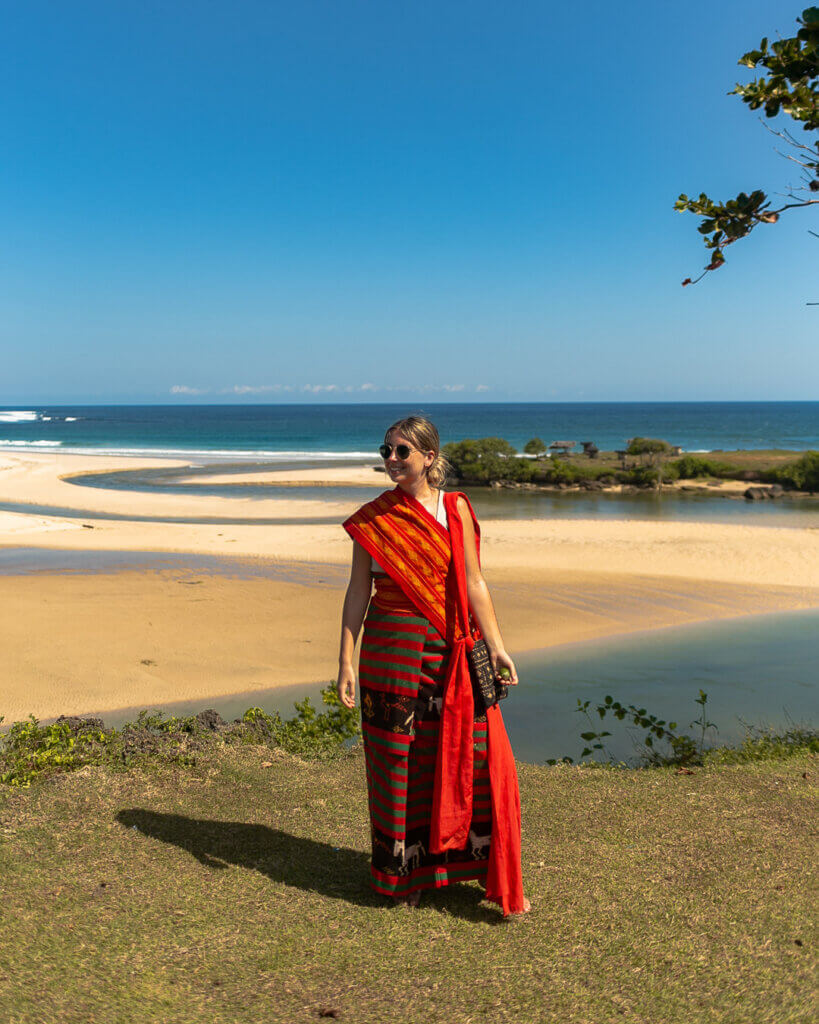
Overall, Sumba is considered a safe place to visit, but it’s important to take necessary precautions and stay informed. Respect the local customs, traditions, and religious practices of the Sumbanese people. Dress modestly when visiting villages or sacred sites, and especially seek permission before taking photographs of individuals or their property.
Also, choose to visit with local guides who know the villages and which areas to avoid
Between rugged 4×4 tracks and coastal treks, you want insurance that actually handles “adventure.” I recommend SafetyWing, it’s one of the few that covers remote regions and offers emergency evacuation if things go sideways in the wild. Stay adventure-ready here.
Money
You can find ATMs in most bigger cities like Tambolaka, Waikabubak and Waingapu.
You must carry enough Rupiah for village entry fees and local guides. You can get a free Wise Card here so you can withdraw a stack of cash the moment you land at the airport; it’s the only way to get the real mid-market exchange rate in Indonesia.
SIM Card and Internet
Internet connectivity may be limited in some areas of Sumba, particularly in more remote locations. It’s advisable to have offline maps and essential information readily available.
I’d suggest purchasing an eSIM to be on the safe side and stay connected.
Best Time to Visit Sumba
Sumba has a distinct wet and dry season. The dry season, from May to October, is generally considered the best time to visit. However, it’s worth noting that the island can still experience occasional rain showers even during the dry season.
Where to Stay in Sumba for Beaches & Adventures
Sumba is large and slow to get around, so choosing the right base matters. You can either stay in West Sumba and explore from there, or split your time between West and East Sumba if you’re crossing the island overland.
NIHI Sumba: Regularly voted the best hotel in the world, this is the ultimate “bucket list” stay. Whether you want to trek to a hidden waterfall spa or ride the world-famous “Occy’s Left” surf break, you should book your villa at NIHI Sumba for a mix of wild adventure and serious luxury.
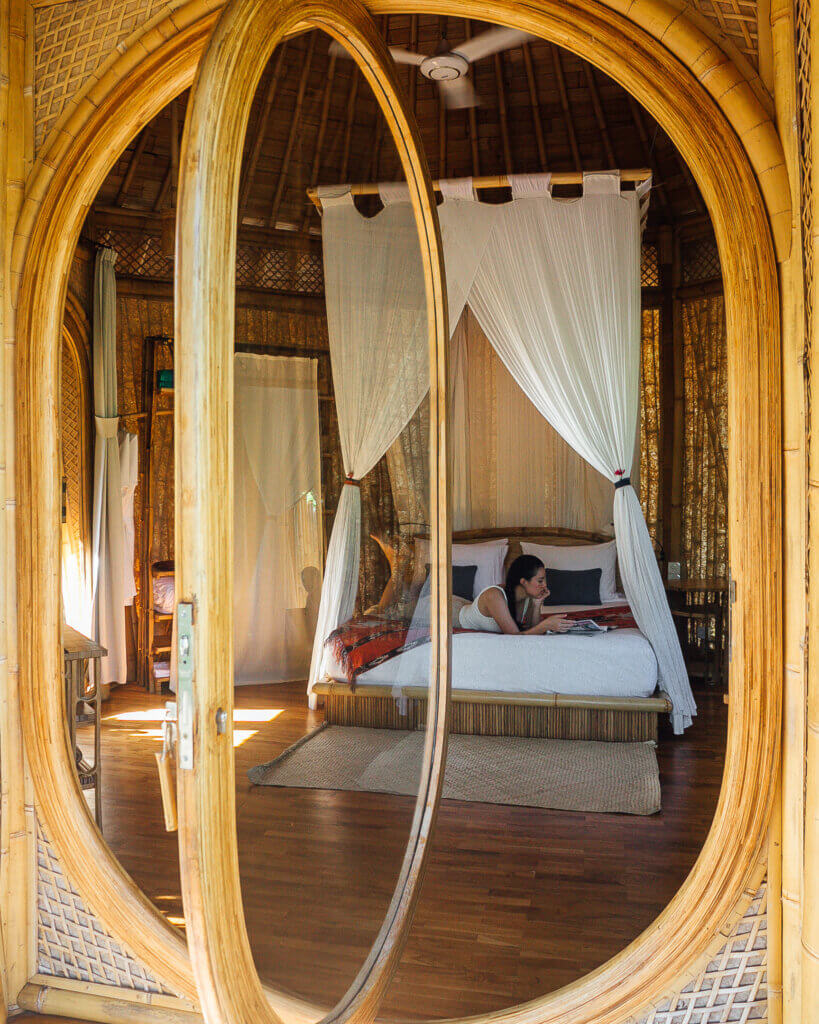
Maringi Eco Hotel: For an eco-luxury stay that feels as good as it looks, you can reserve your bamboo pavilion at Maringi here. Every dollar goes back into the Sumba Hospitality Foundation, providing you with a unique host experience and incredible farm-to-table food.
Alamayah: If you’re looking for a moody, aesthetic escape right by Watu Bella Beach, you should book a suite at Alamayah. This 6-suite retreat features oversized terrazzo tubs and an Ayurvedic spa, perfect for a quiet, intimate “retreat” vibe.
Lelewatu: Perched on a cliffside on the south coast, this resort offers the most iconic 180-degree ocean views on the island. You can reserve your traditional pool villa at Lelewatu for a private sanctuary that perfectly blends Sumbanese heritage with modern comfort.
Best Hotels in East Sumba (For Overland Trips & Landscapes)
East Sumba is ideal if you’re continuing across the island or want to be closer to Walakiri Beach, Wairinding Hills, and Waimarang Waterfall.
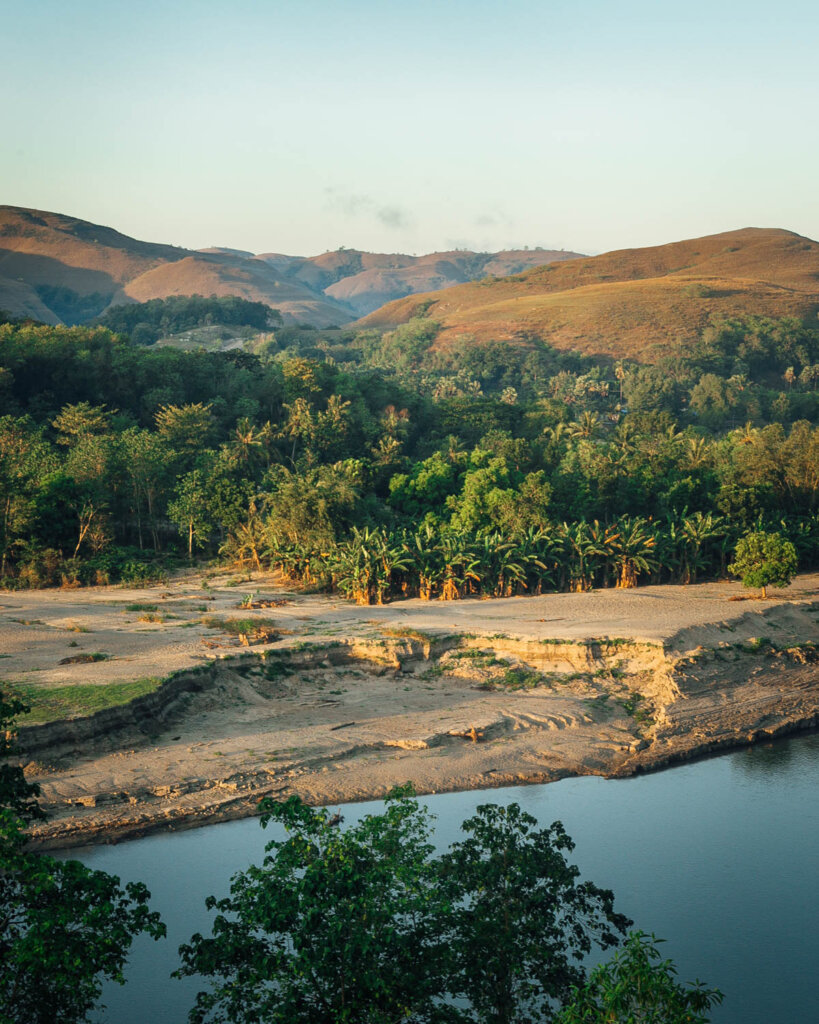
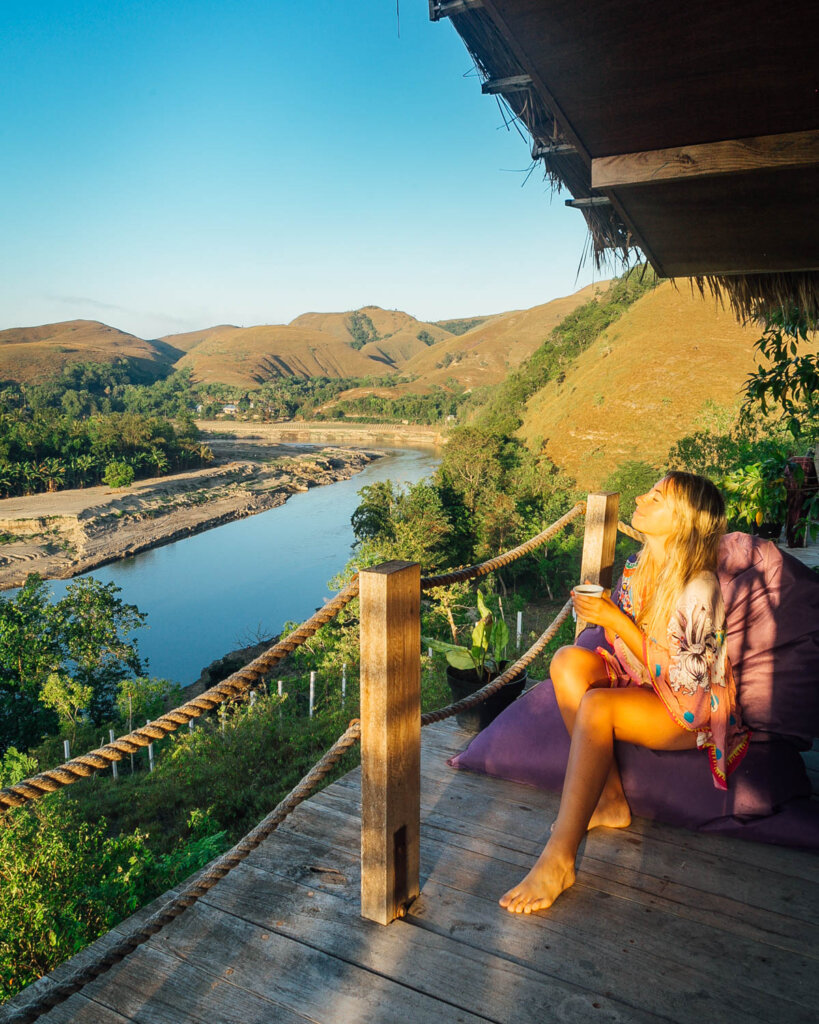
For a magical cabin getaway with river-facing views and the loveliest local staff, you should book your valley-view cabin at Morinda. It’s one of the most affordable high-end experiences in East Sumba, featuring an excellent on-site restaurant and a quiet atmosphere perfect for a few nights of peace.
If you want a boho aesthetic stay in the heart of East Sumba, you can reserve your room at Sumba Paradise. This beachfront resort features a beautiful outdoor pool and fitness center, making it the ideal stylish base for organizing day trips to the region’s hidden waterfalls and villages.
Book You Stay in The Top Hotels in Sumba

The 20 Most Amazing Places To See in Sumba
Best Places to See in West Sumba
1 Waikuri Lagoon
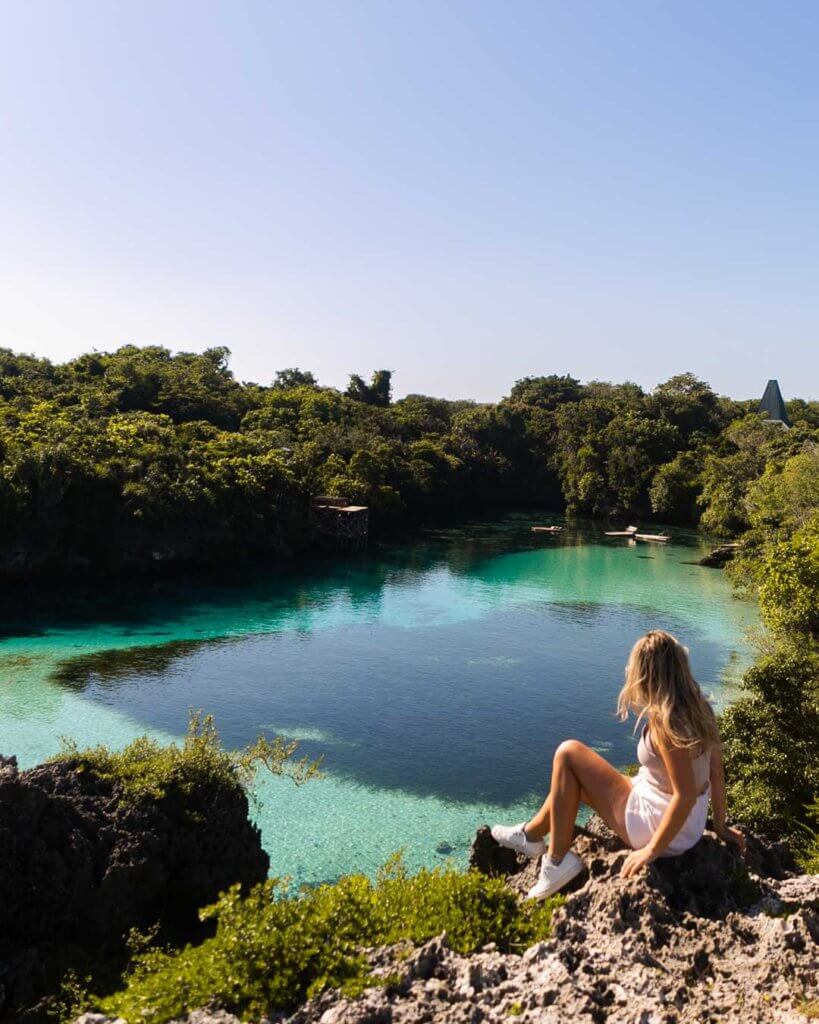
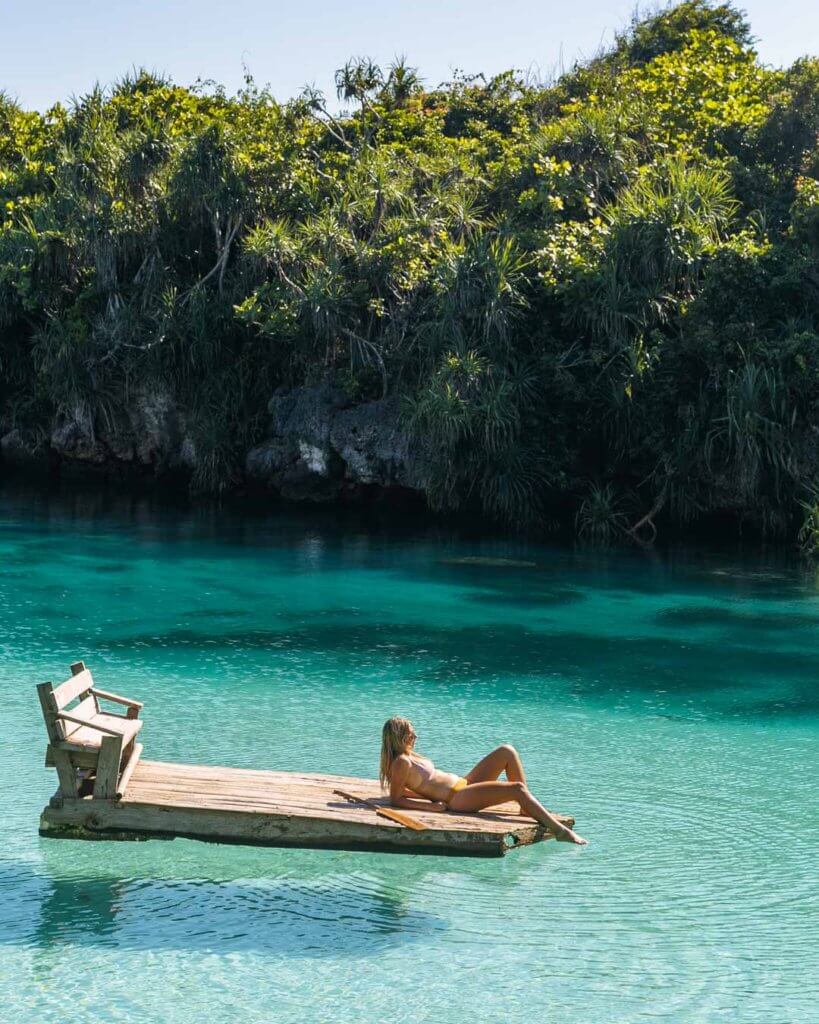
Waikuri or Weekuri Lagoon, with its glittering turquoise water, is one of the places that will blow you away. It’s a saltwater lagoon that’s connected to the ocean, incredibly clear and calm. You can walk around the whole lagoon, jump in from one of the wooden structures or sit on one of the floating paddles, led by a local. Ask the nearby vendors for a cold coconut, and buy some Ikat sarongs or other souvenirs.
2 Ratenggaro
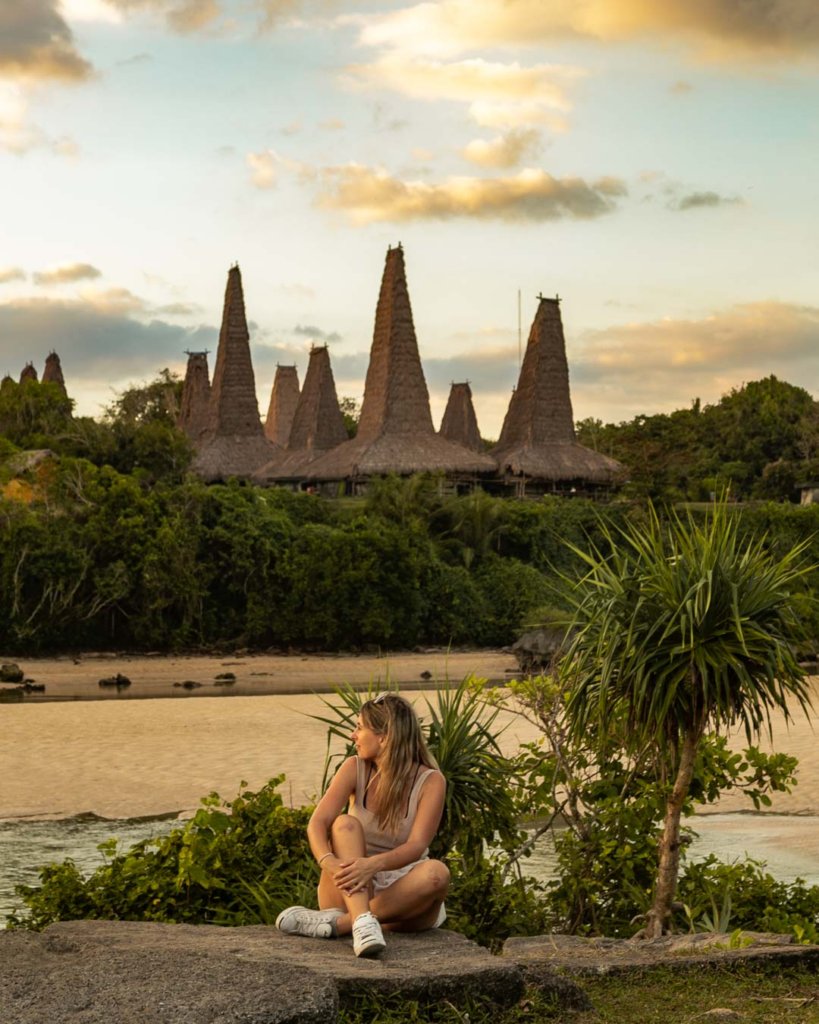
One of the main reasons I was so drawn to visiting Sumba was the images of the traditional villages I saw. With their thousands of years old culture and belief that the people follow to this day, it’s a truly unique thing.
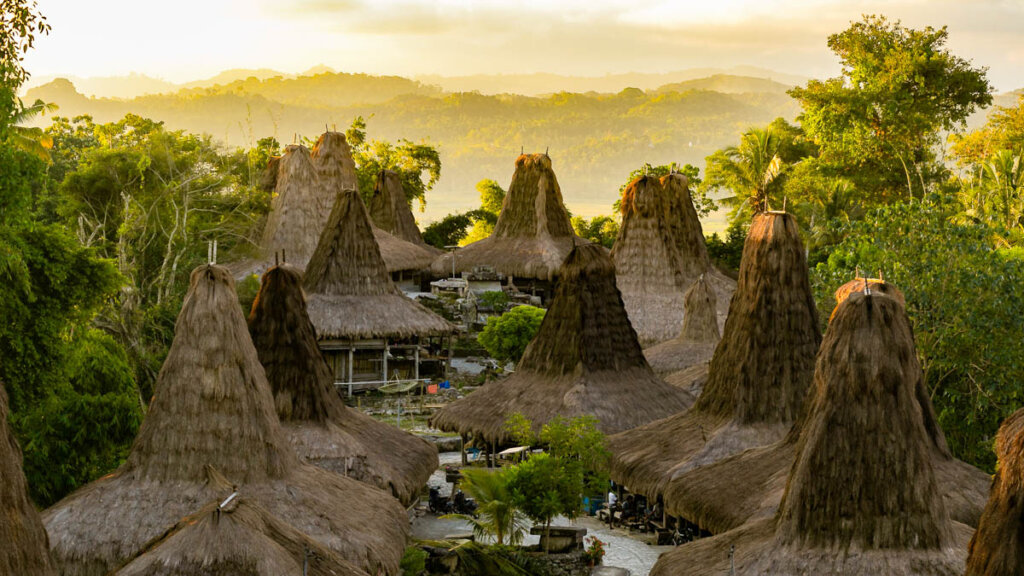
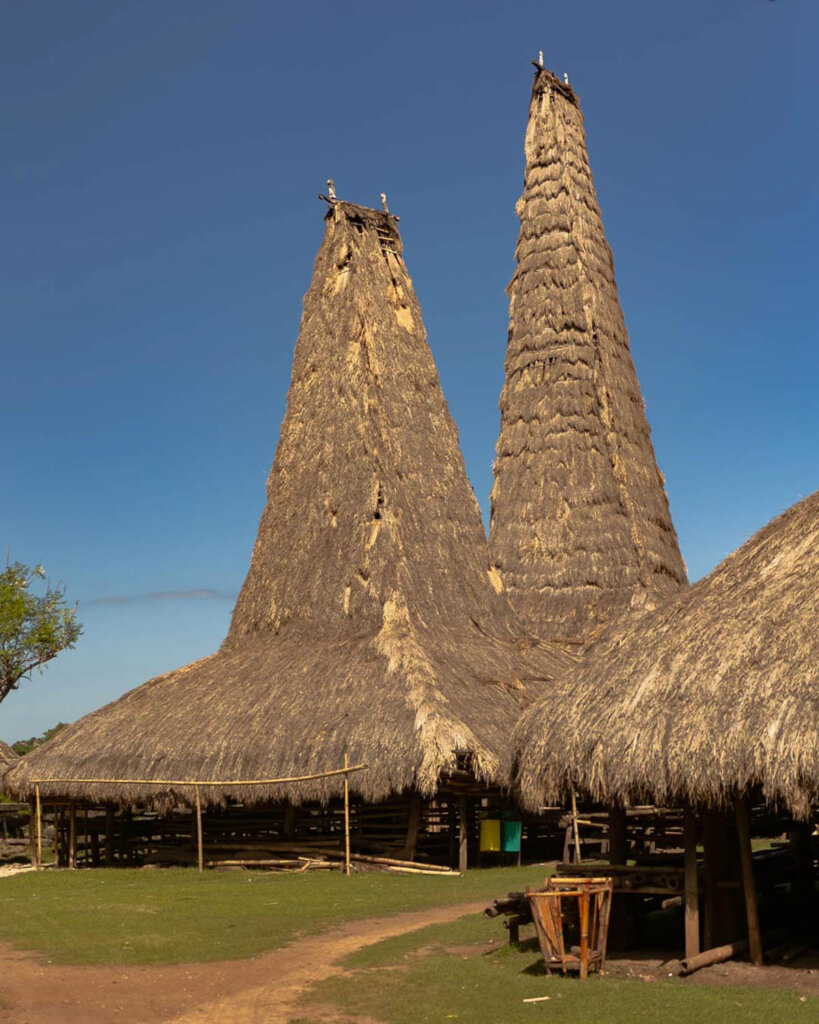
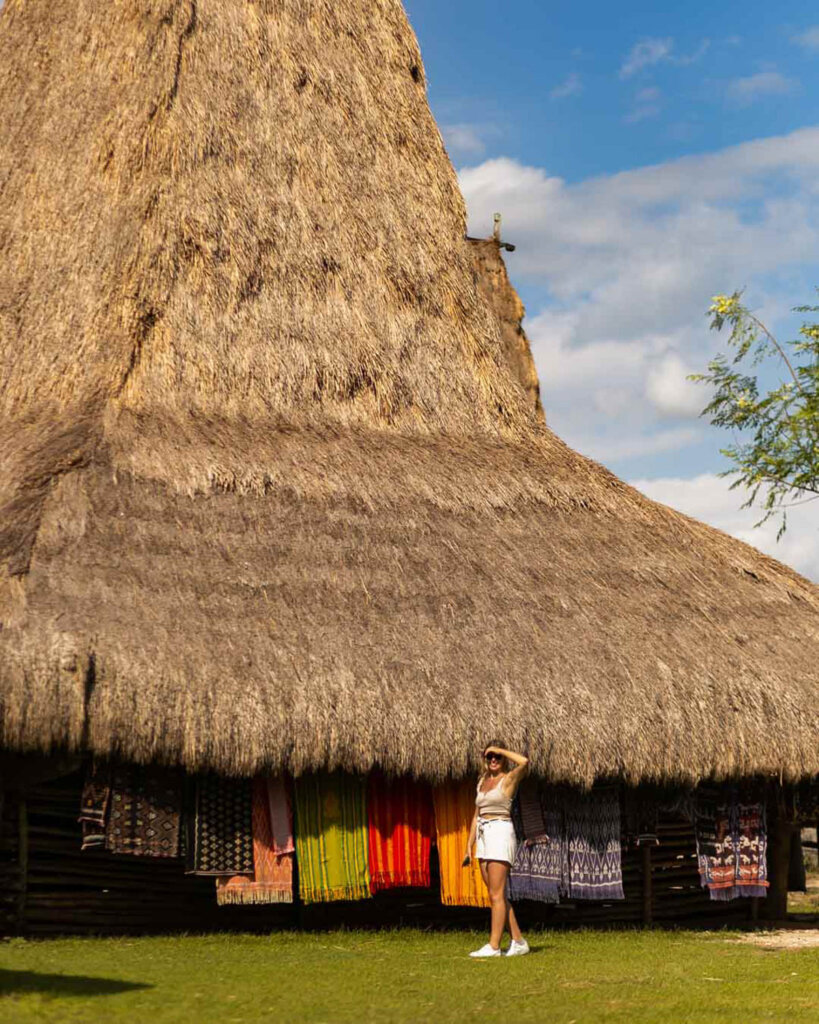
The mystical village of Ratenggaro is still one of the most intact places, although used to tourists. It lies in South West Sumba and is easy to visit with your own mode of transport. If you leave from Tambolaka, it should take around 1.5 to 2 hours of travel.
The locals told us that in the past, many people came to surf and stayed in the village houses, living with their families. You might be lucky and have the ultimate Sumba experience this way!
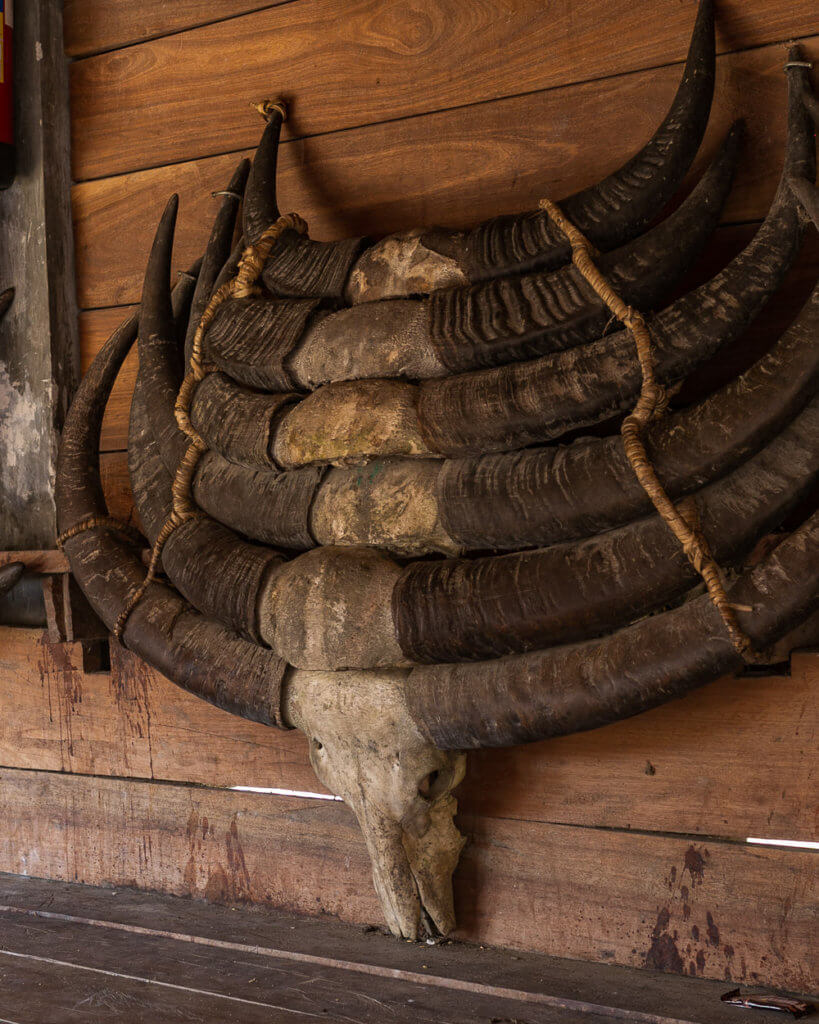
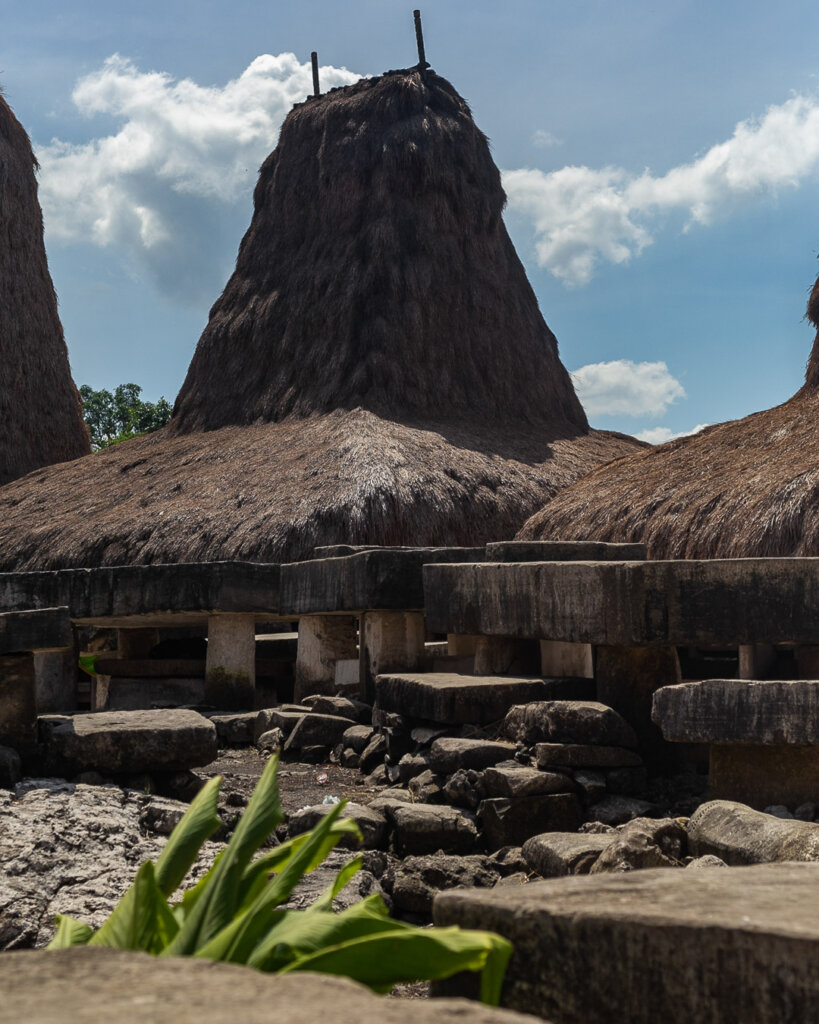
The really interesting part of this village is the Uma Kelada, towers that reach up to 20 meters. The higher the roof, the higher your social status! Each house has different levels, with the lower one used as a pet area, the second one to cook and sleep. The top level is used to store crops and decorate with buffalo horns and sacred objects.
If you ask me, this is one of the places you need to see when in Sumba!
3 Lapopu Waterfall
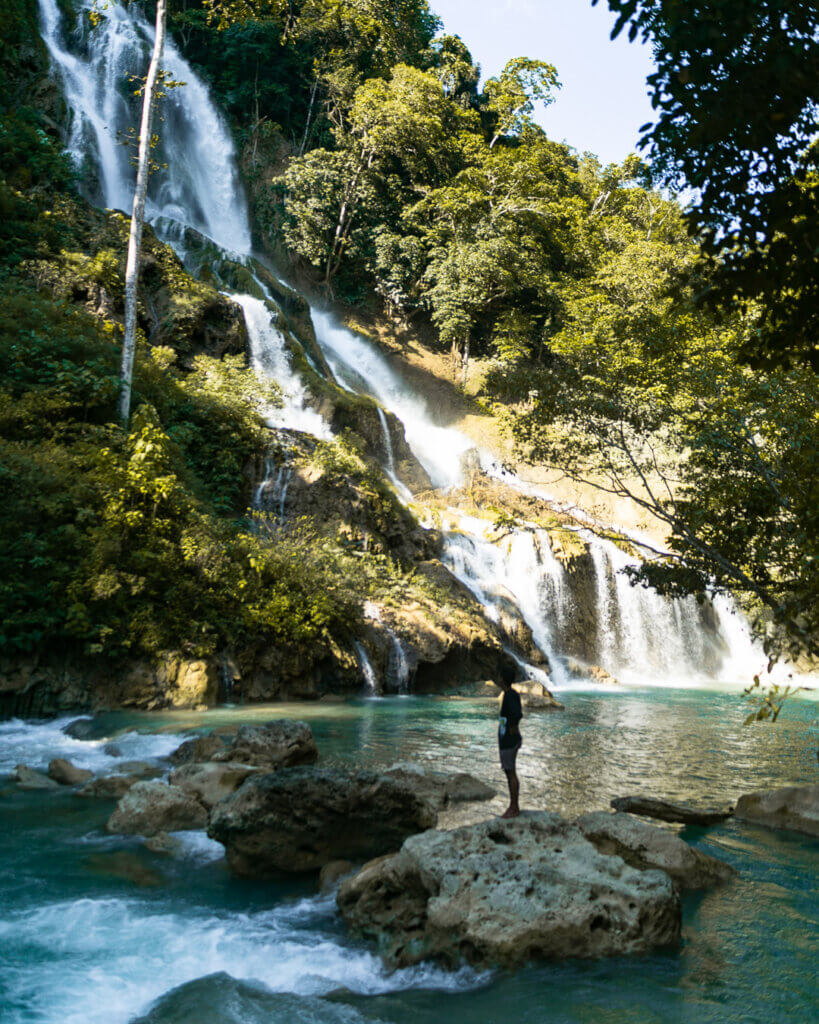
Located in Central Sumba, Lapopu Waterfall is a wonderful multi-tiered waterfall that’s super off the grid. Considering the rocks and stones the path was made of, you’d need a proper car to get you there – and some concrete directions.
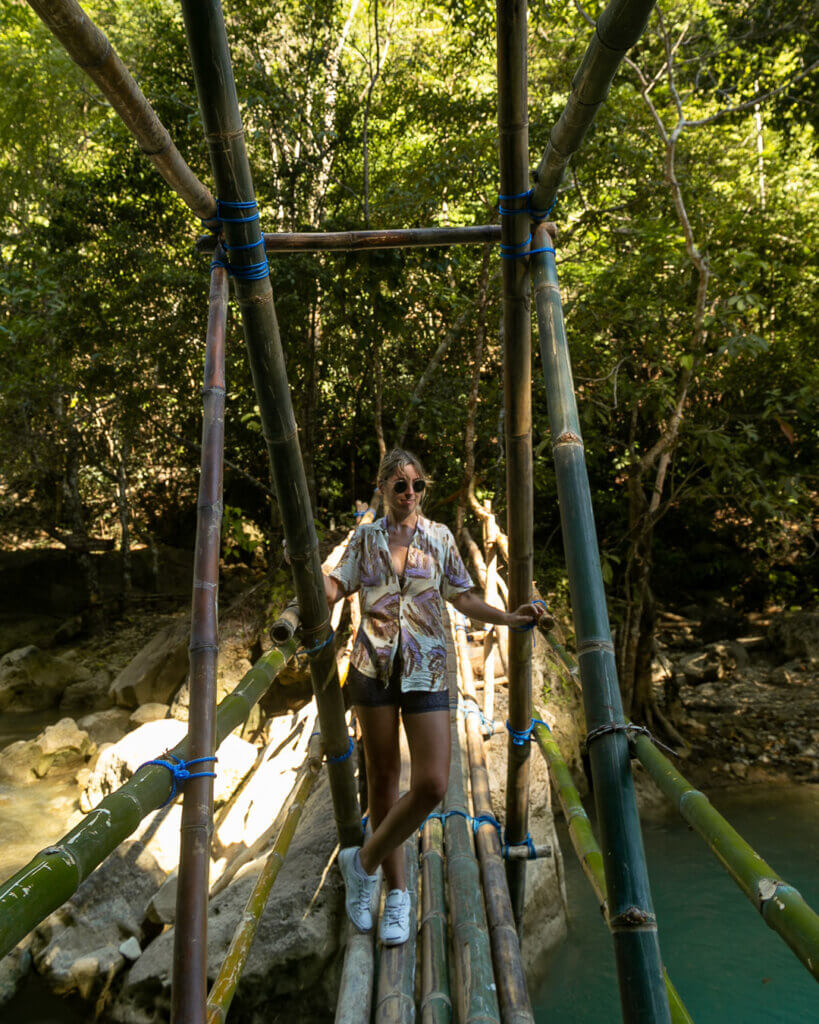
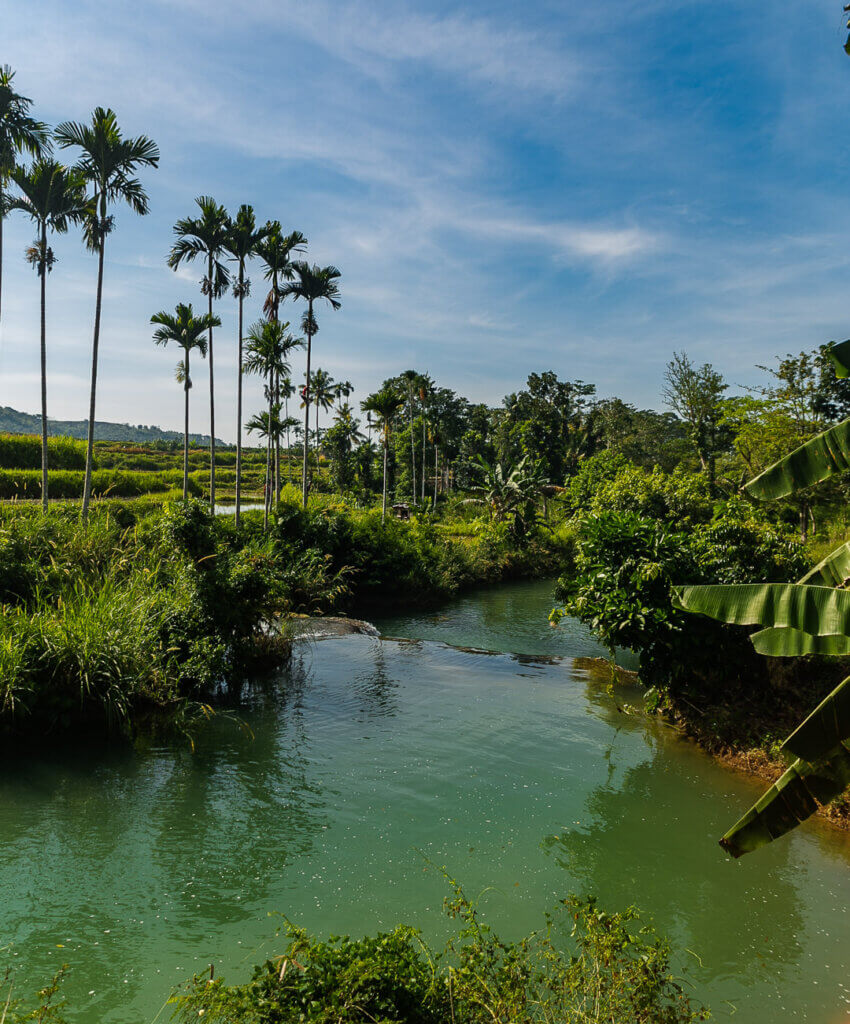
The place itself is reached via a short walk and a bamboo bridge. The Emerald colour of the river is incredibly welcoming and you can find some spots to swim in.
4 Kodi
Kodi is the most Western district of Sumba and you will likely cross it when you visit Ratenggaro or Weekuri Lagoon.
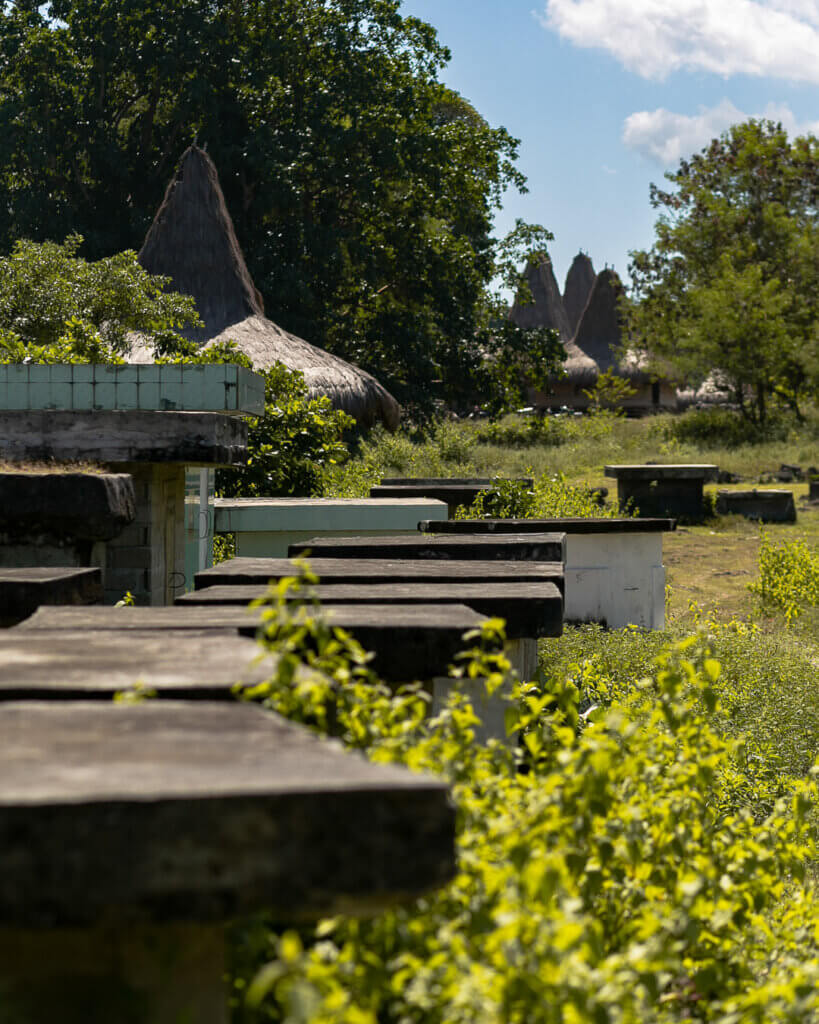
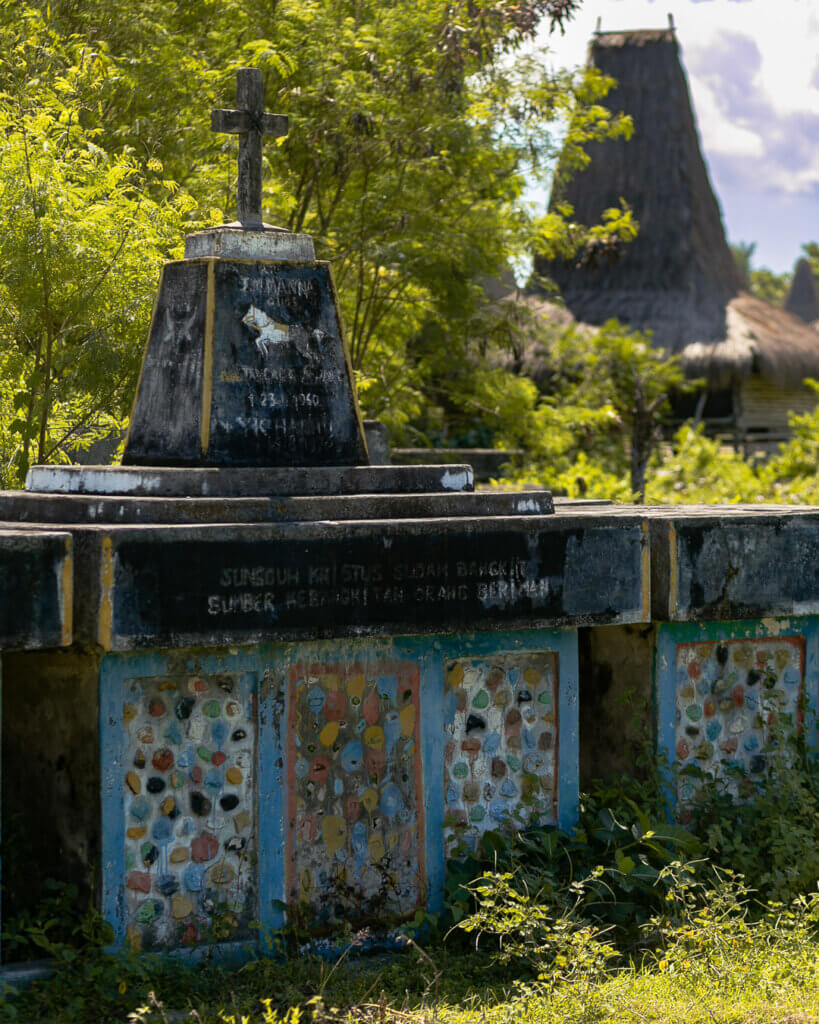
It’s one of the regions that local people talked badly about, due to feeling unsafe. To be fair, I’d be cautious, especially with taking photos of their houses and grave stones. This region in particular is famous for its various graveyards and tombstones scattered along the roads.
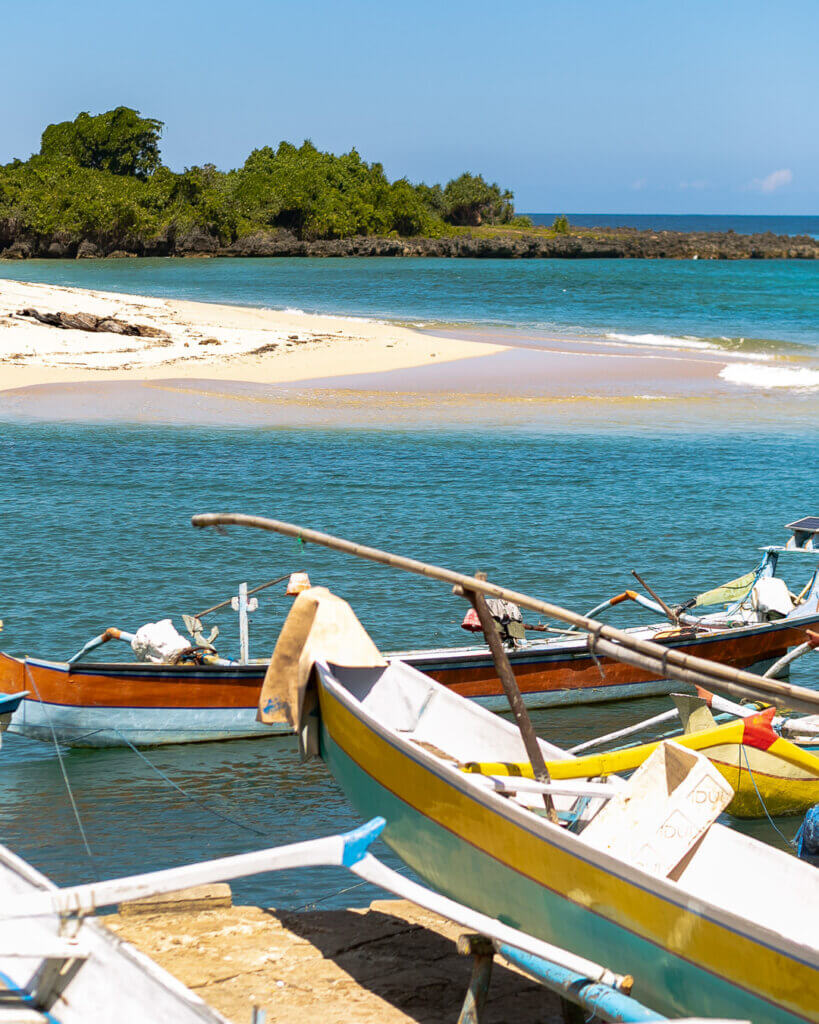
A nice place for a stop however, is the town of Pero. There is a beautiful beach, colorful fishing boats and mostly inhabited by Muslim communities.
5 Kampung Praijing
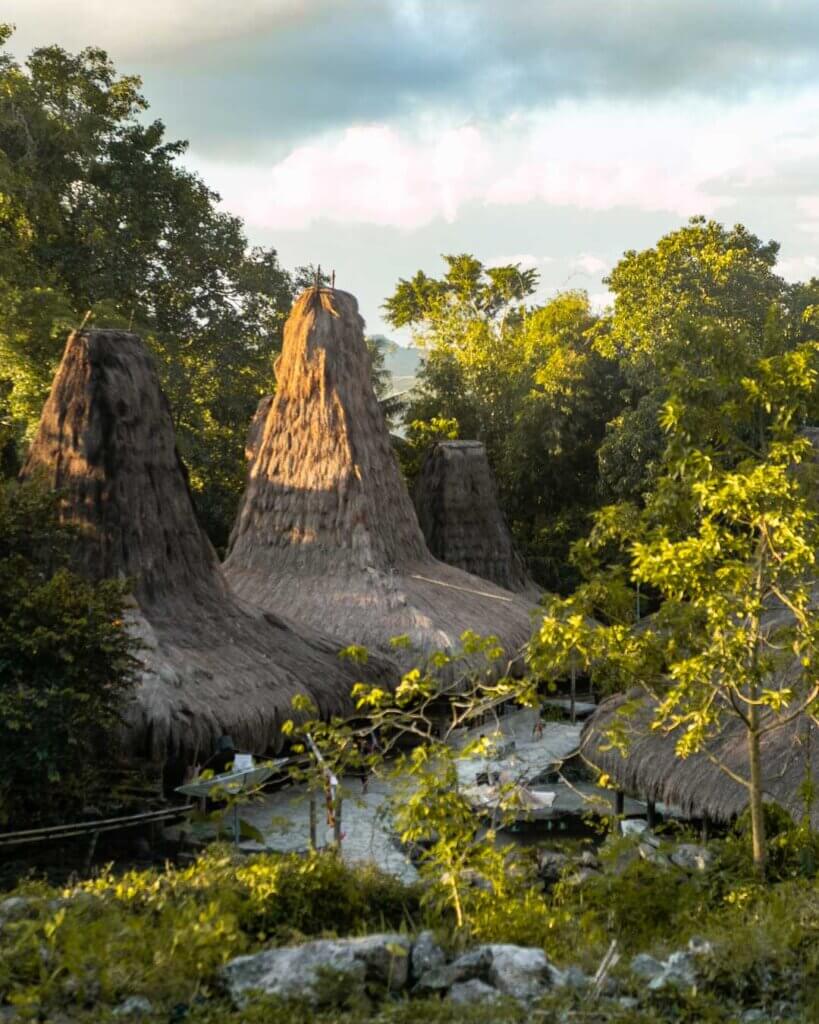
All through Sumba, you can find traditional Kampungs (villages). The height of the roofs usually represents the social status of the inhabitants. This kind of house can sometimes host up to 10 people, squeezed together next to the cooking station. Should you ever get the chance to visit one from inside – do it!
One of the most famous Kampungs in West Sumba is the magical Praijing village.
The stunning Praijing Village consists of about 38 houses, welcoming tourists over the last years. You might see women weaving their Ikat, chewing on the betelnut and really get an authentic glimpse into the daily life of the Sumbanese.
TIP: Just before sunset, head up towards the viewpoint to get the best shot of the village!


6 Pantai Belha Beach
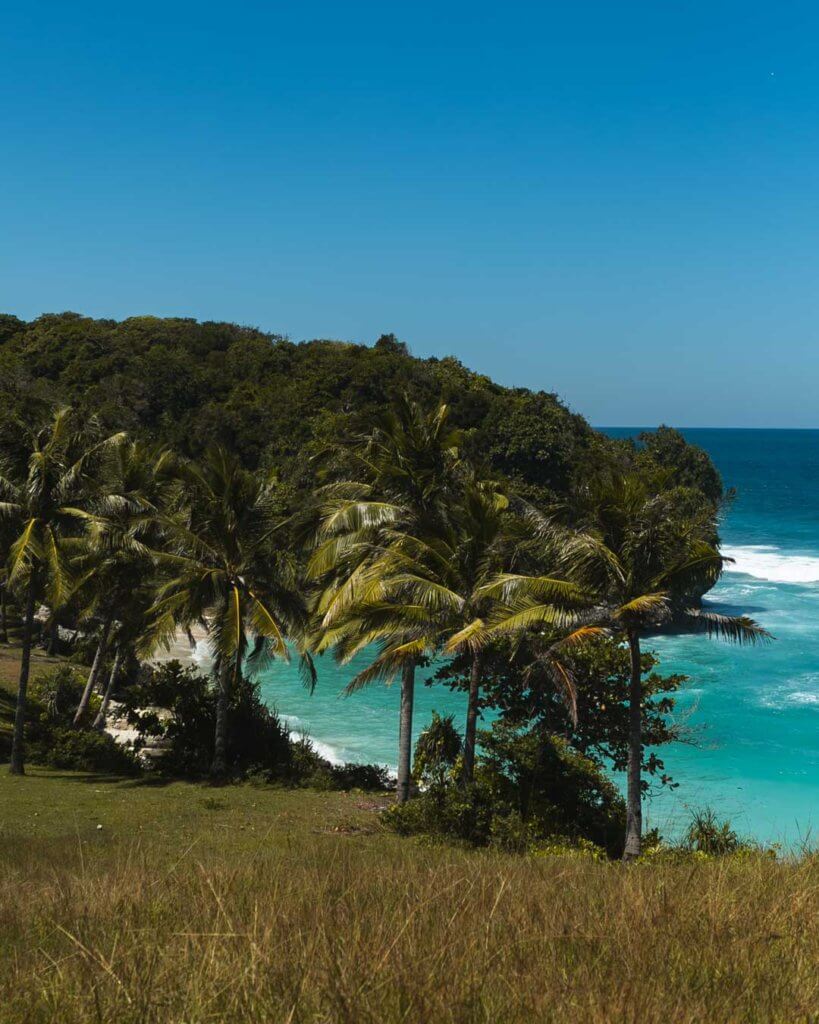
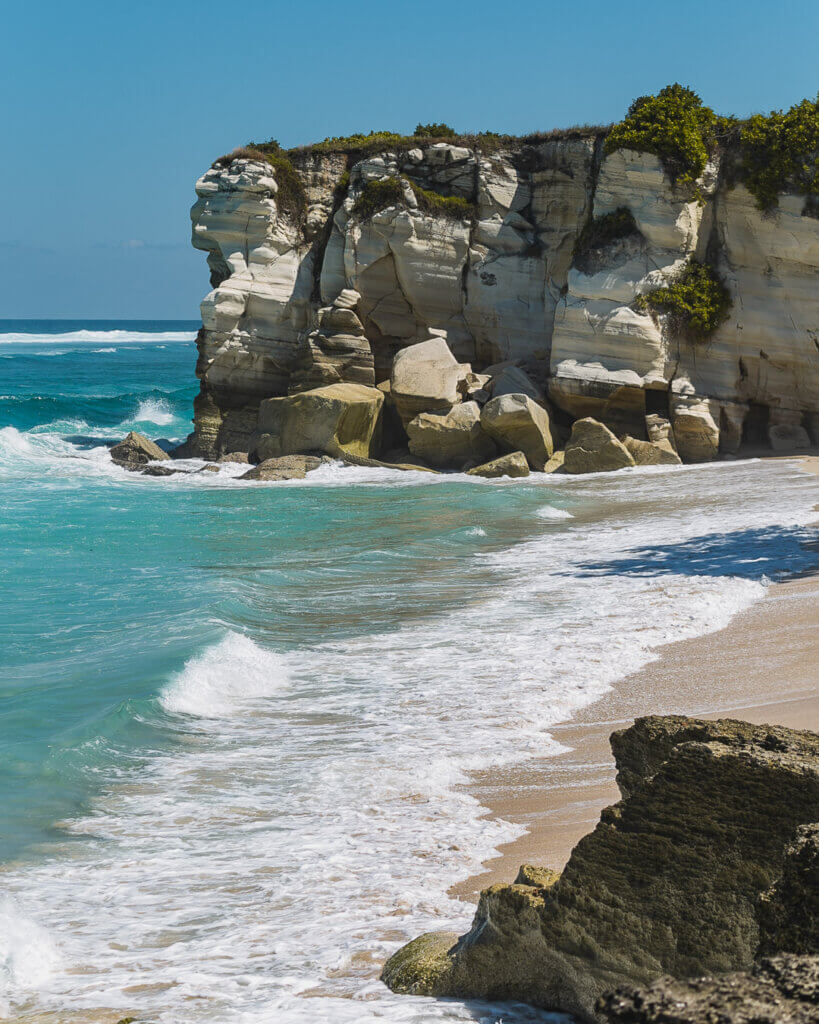
The Watu Bela or Belha Beach should be one of the top places to see when in West Sumba. You can reach it by visiting Patiala Bala Village and starting walking from there. You will pass some green hills and in the far distance, find the unspoiled beach.
It’s the perfect hidden gem and secluded enough for some downtime. The scenery is spotless with palm trees and amazing views of the ocean.
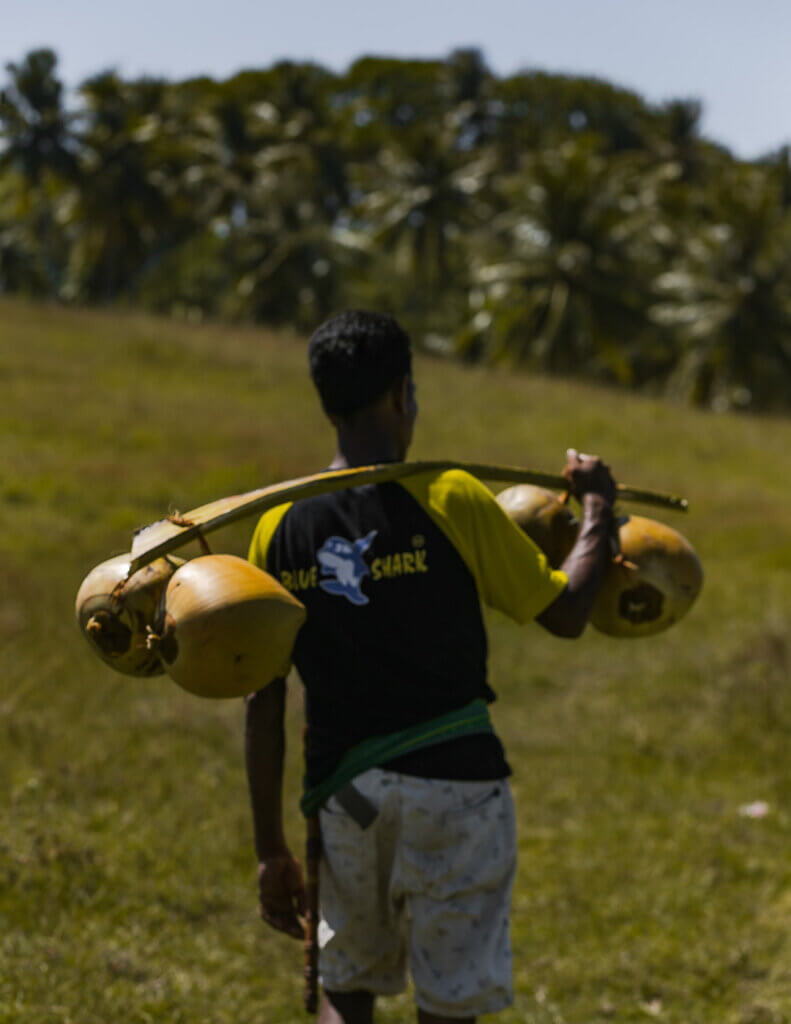
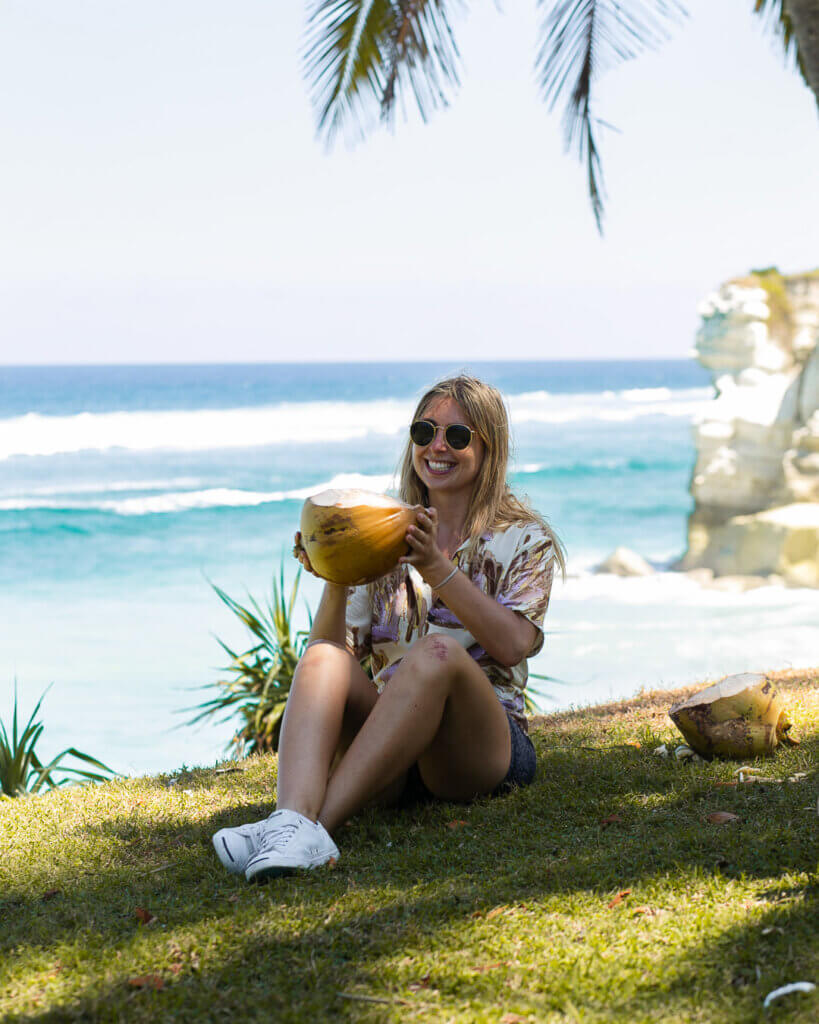
If you’re lucky, you’ll encounter a local Sumbanese man coming to offer you some coconuts. The beaches in all of Sumba are exceptional! White powdery sand, turquoise water and palms all around you – you feel like in paradise.
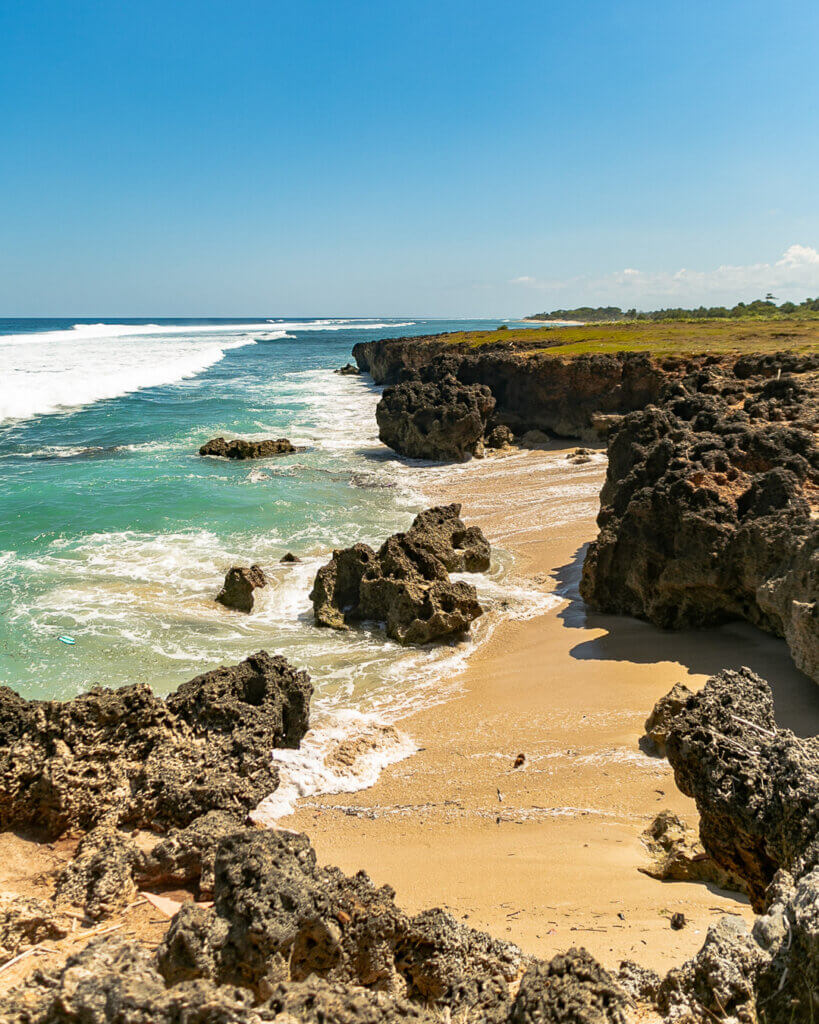
In the West, the waves can be a bit rougher and South Sumba has amazing surf breaks.
7 Waikelo Sawah Waterfall
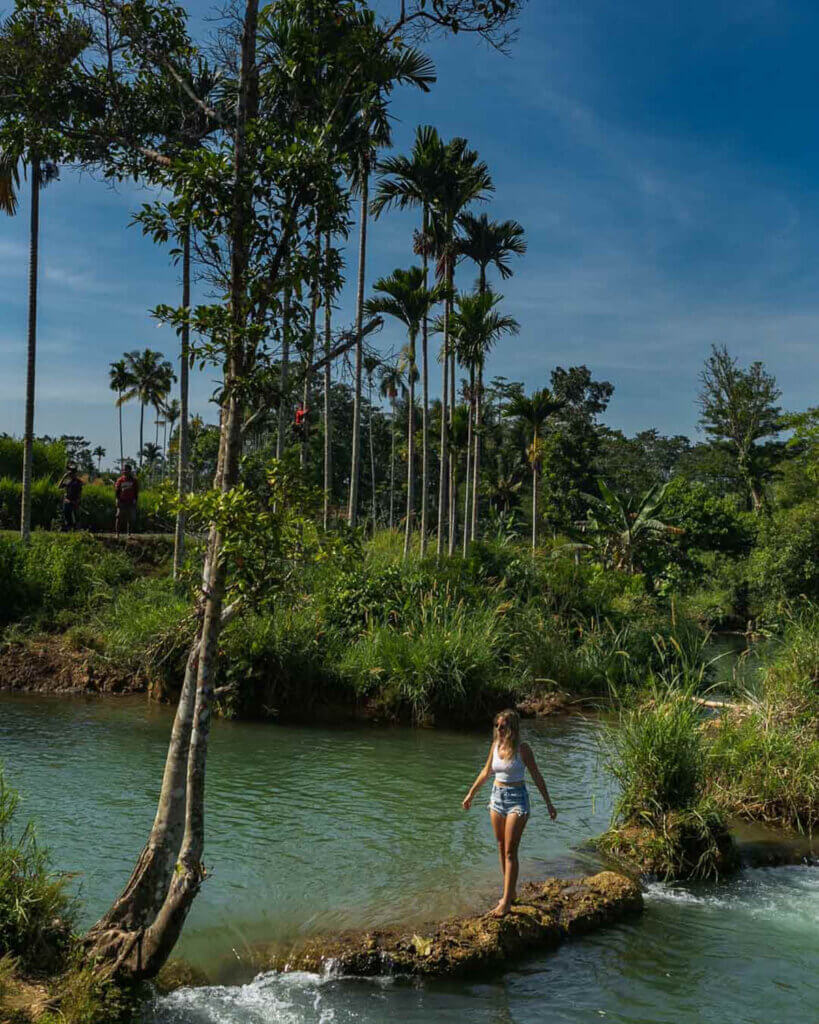
The Waikelo Sawah Waterfall was one I was really excited about. Its hidden location and beautiful, open way of being is just a unique sight.
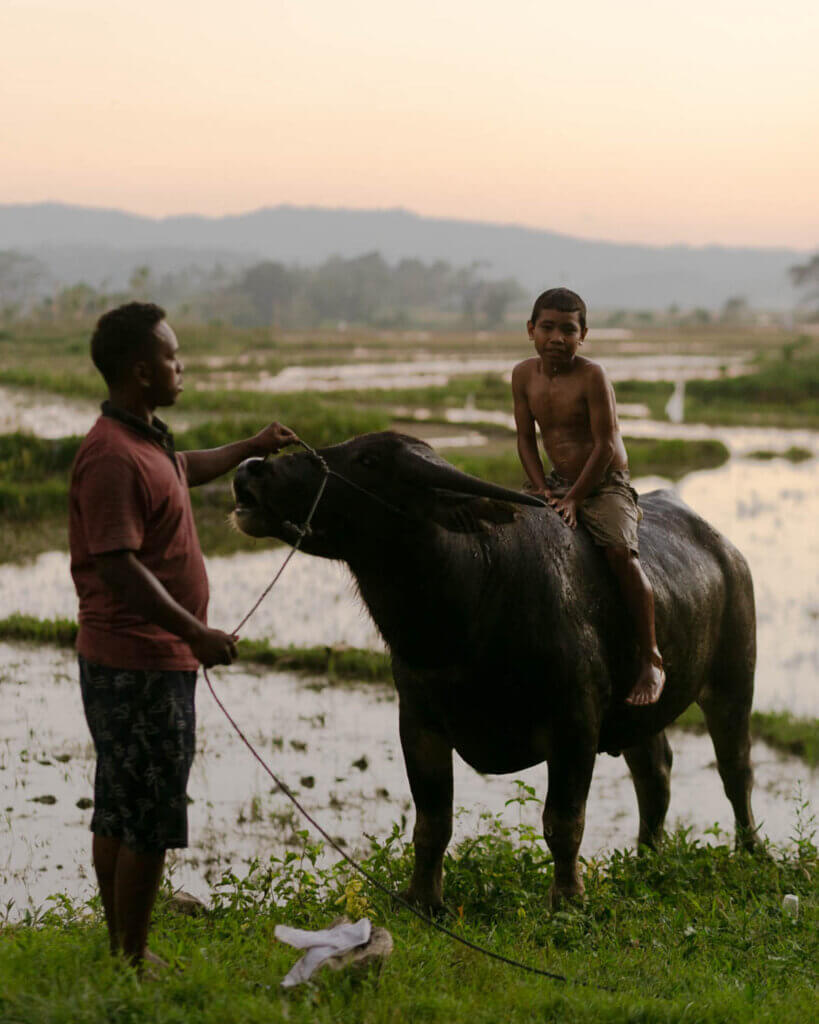
As the name suggests, the waterfall is surrounded by rice paddies and water buffalo.
The easiest way to reach the waterfall is to head to the town of Tambolaka. From there, it’s only 12 km further and you stop at the Waikelo Dam. Locals come here to wash their clothes or play in the sheltered water.
8 NGO Hotel School that’s an Eco-Resort
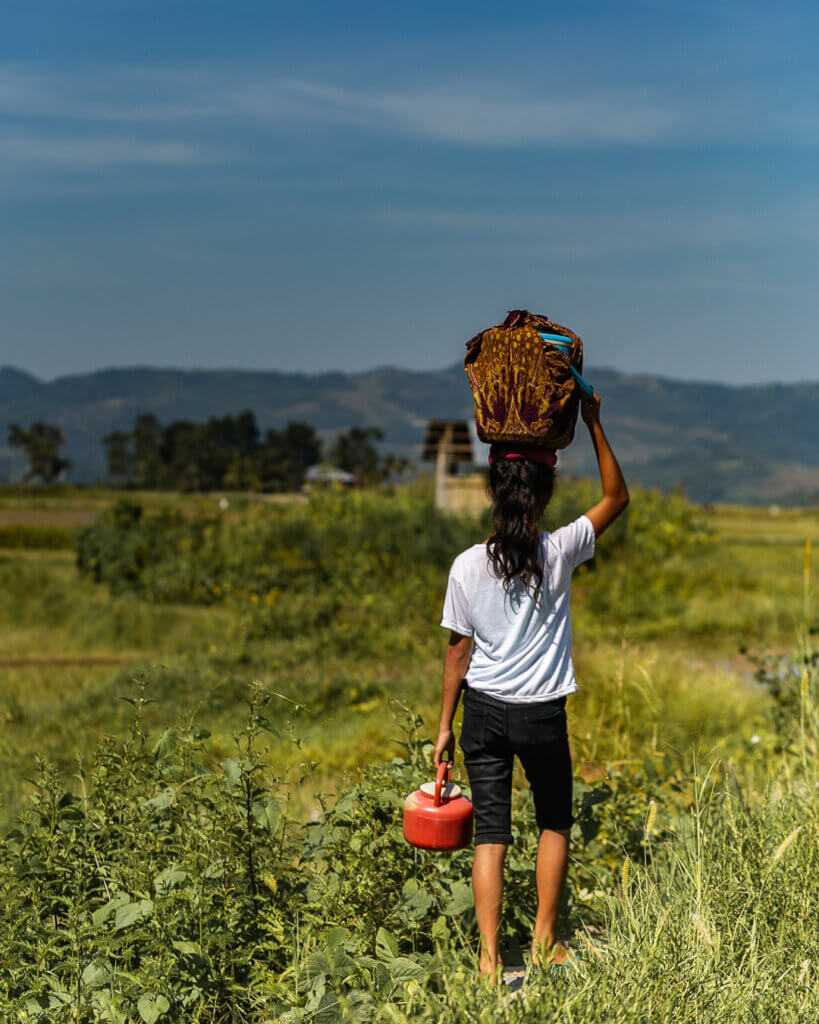
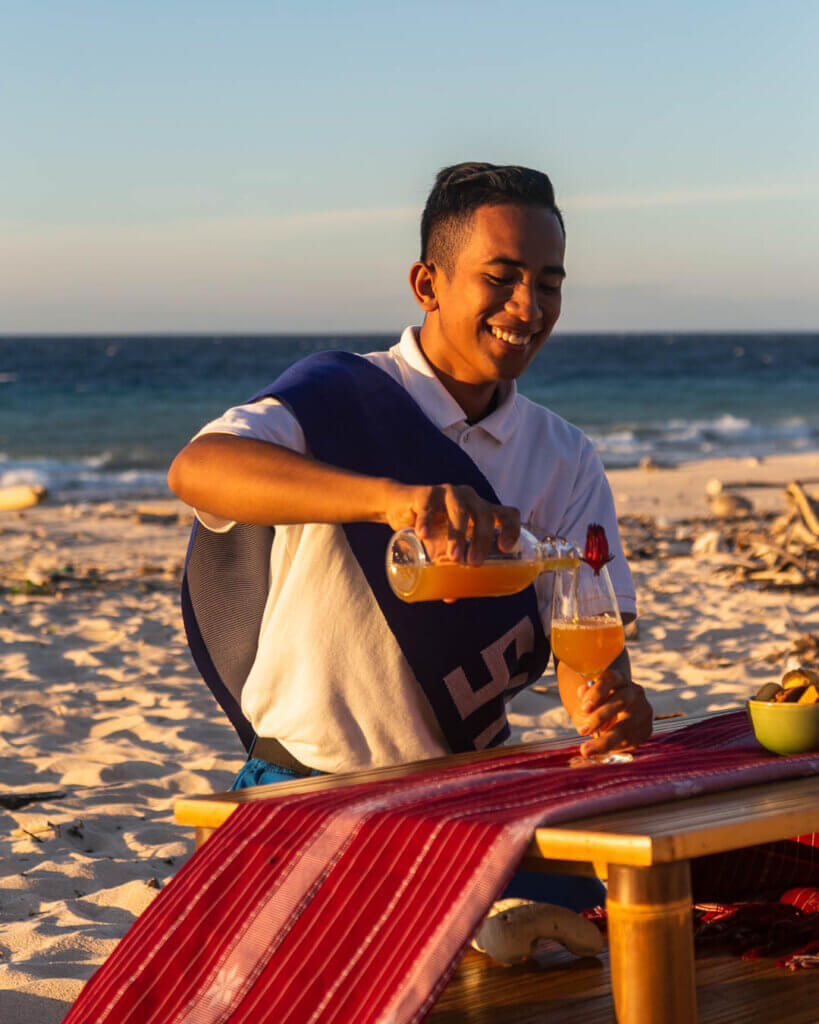
Sumba Hospitality Foundation is a hotel school and a 100% eco-resort that acts as a real-life study environment for the students. Each year, this NGO takes on 60 students and sponsors them to teach them the traits of working in different departments of a hotel.
All students come from disadvantaged families, experienced tremendous hardship – and are the proof that your past doesn’t define your future, you can turn your life around.
All profits from you staying there will go right back to the school and the students – truly wonderful! Definitely put this on your list of places to see in Sumba!
I recommend staying a few nights at Maringi Sumba Hotel to experience life in West Sumba and support the students.
9 Waikabubak Local Market
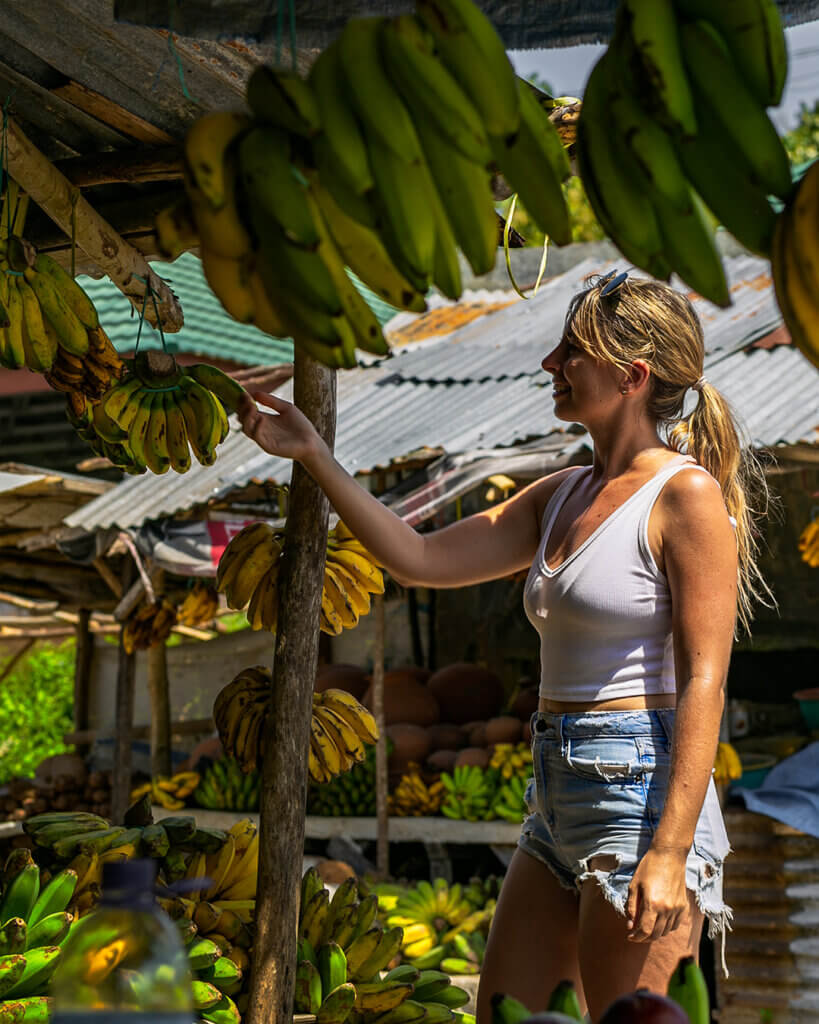
A great place to get an authentic look into Sumbanese life is visiting one of the local markets. If you’re in the area of Tarung or miss the bigger cities, Waikabubak is a good choice!
Their local produce market is a wonderful place to get fresh fruit and vegetables, try new things and buy typical souvenirs – just remember to bring cash!


10 Kampung Tarung & Ikat Weaving
Another wonderful Kampung to visit is Tarung near Waikabubak. The village is tourist-friendly; however, even here it’s crucial that you ask for permission before entering. There are certain stones and areas that locals consider sacred, so without permission, you cannot set foot on or even take a picture of them!
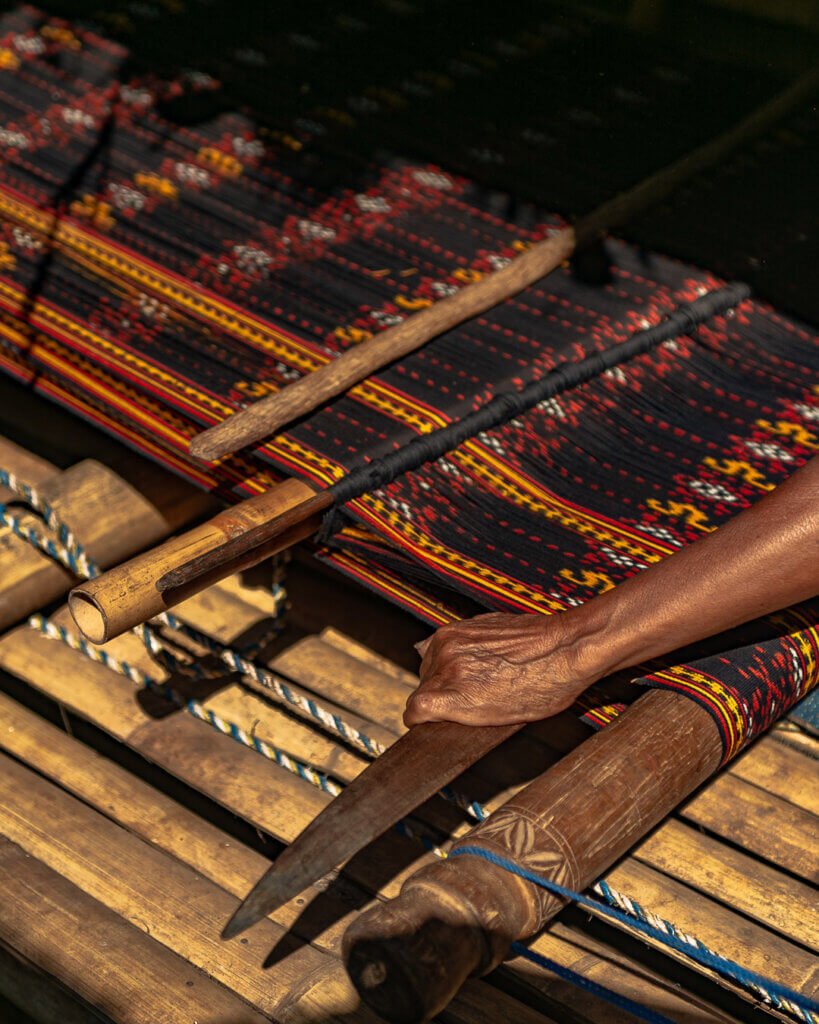
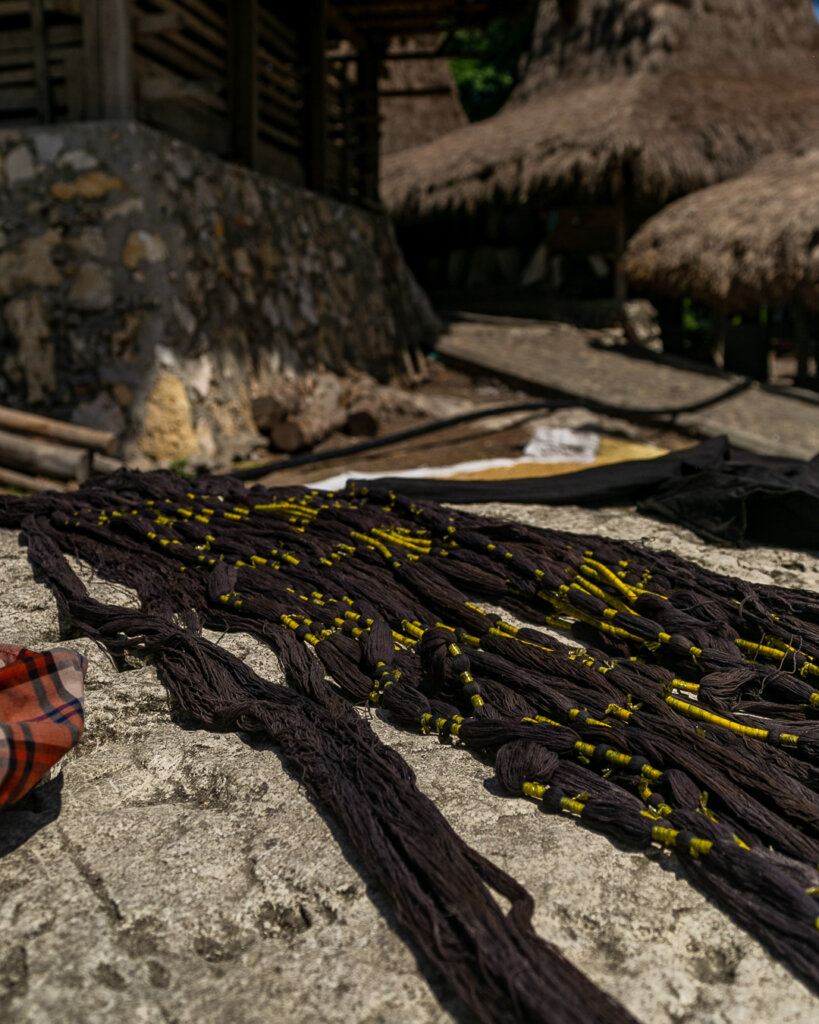
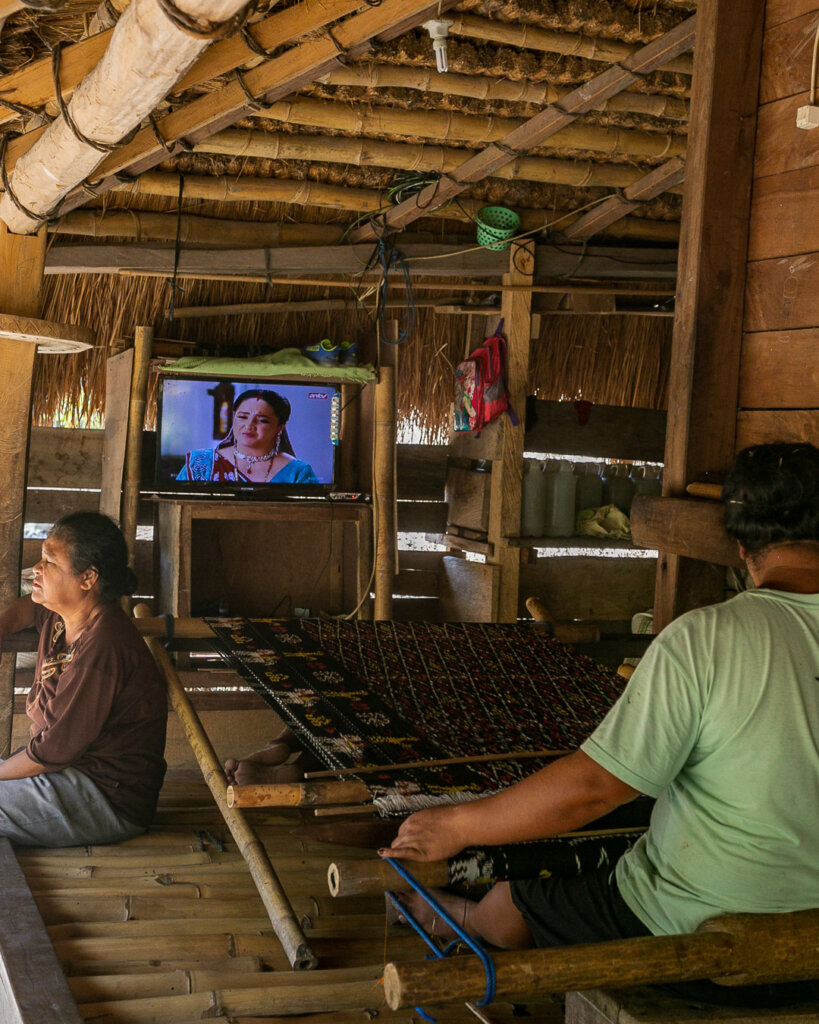
In Tarun,g you might be lucky and can witness how locals dye their ikat wool and lay it out in the sun to dry – all done with natural colours. Another wonderful thing to witness is the Ikat weaving, done usually by women. Ikat weaving is one of Sumba’s biggest wealth and a, that’s skill passed down by generations. One Ikat can take up to 5 months to make!

Best Experiences & Places to See in East Sumba
East Sumba is usually visited as part of a longer route or from a single base with full-day excursions. It works best if you plan it differently from the West. Distances are longer, sights are more spread out, and it’s better if you either base yourself in one area and do long day trips, or continue east as part of a one-way route across the island.
11 Bukit Tanarara
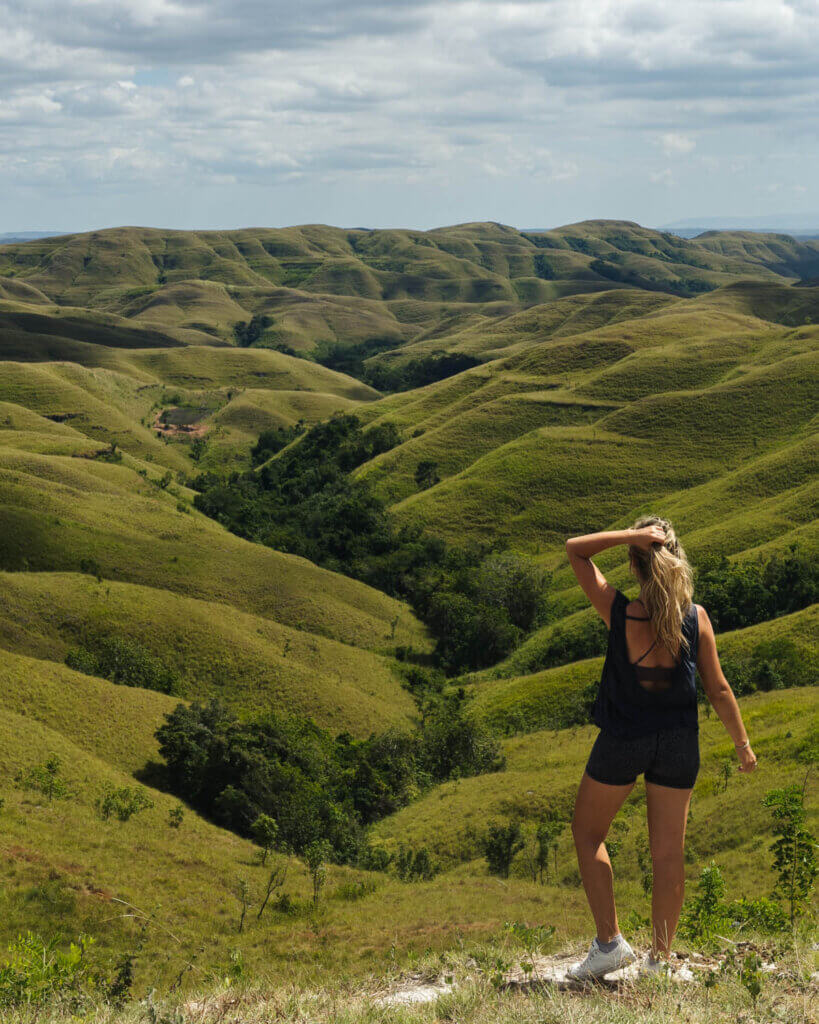
One of the first things you’ll likely pass if you drive from West to East Sumba is Bukit Tanarara. A scenic spot that also provides the option to take photos with one of the horses. It’s a popular place, but so worth it!
12 Savannah
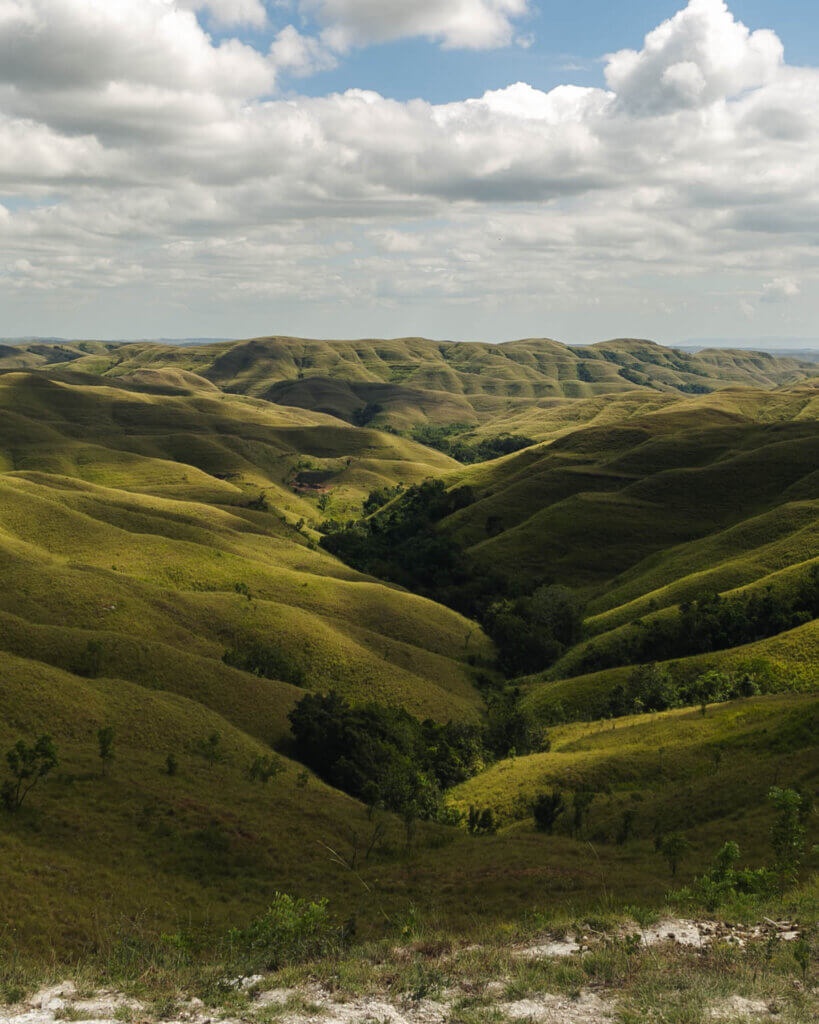
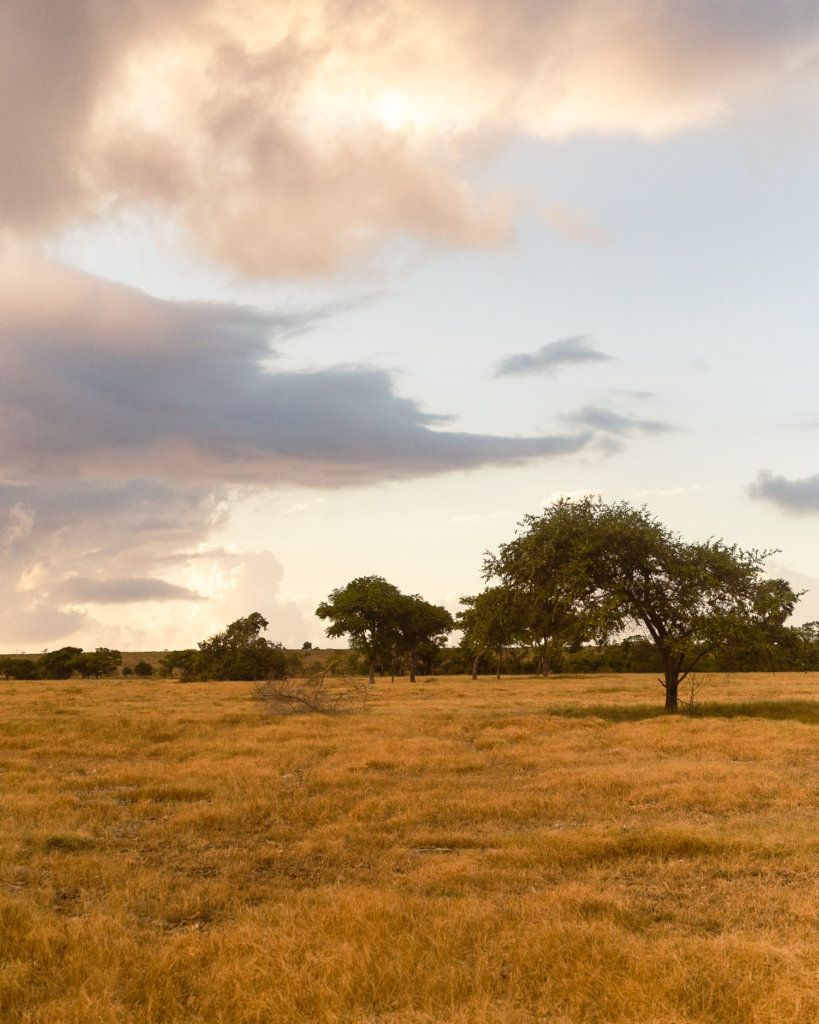
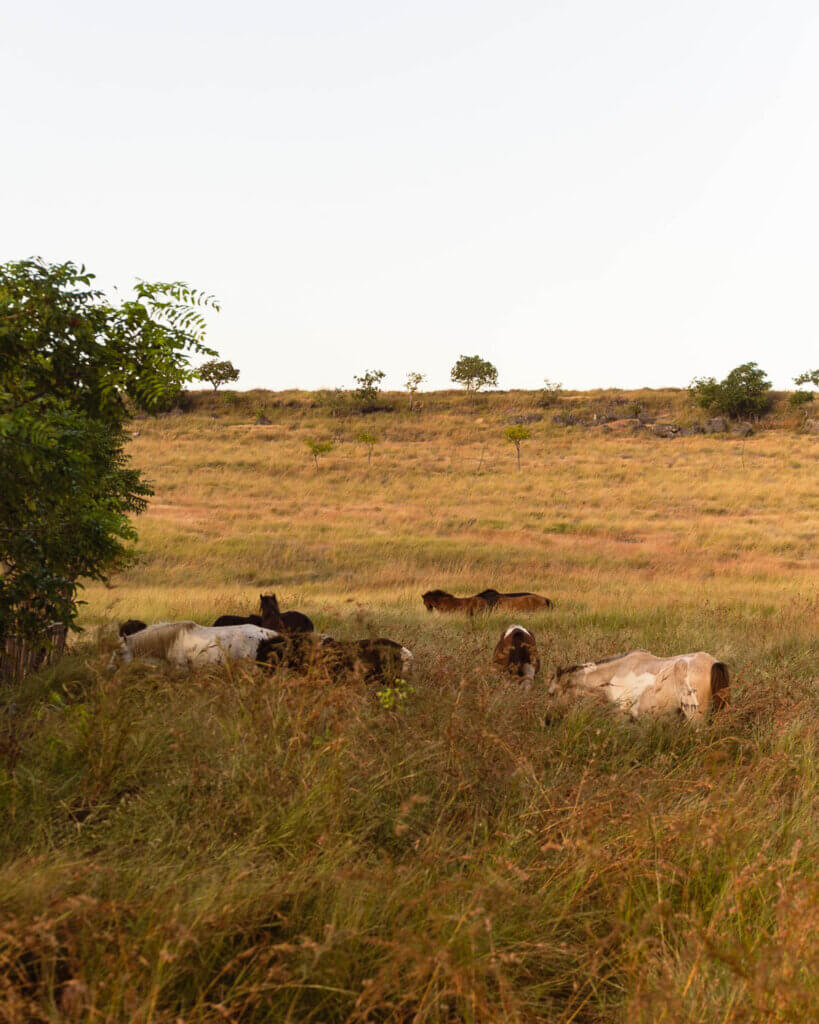
The scenery in Sumba is like no other. From Savannah-like fields to forests and rolling hills, it’s so varied and full of surprises. The Savannah (Puru Kambera) near Waingapu is a beautiful contrast to the evergreen landscapes that dominate Sumba.
Head towards Mondu Village to witness the Savannah-like scenery and spot some horses or local cattle.
13 Walakiri Beach
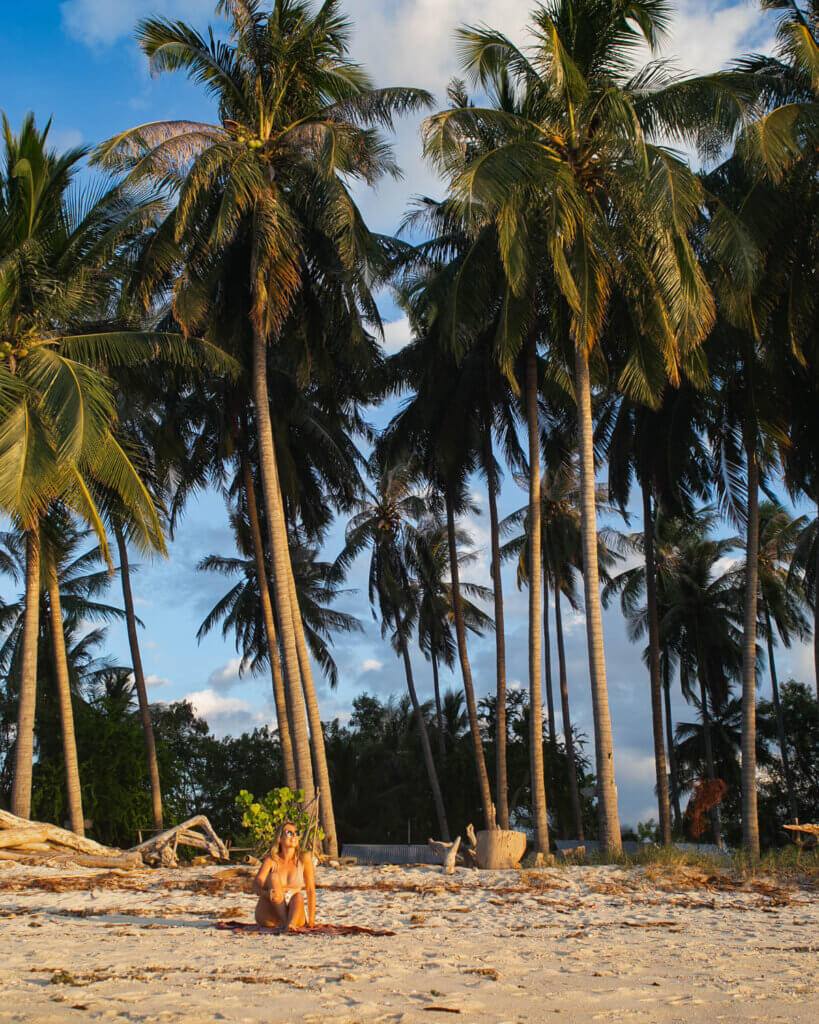
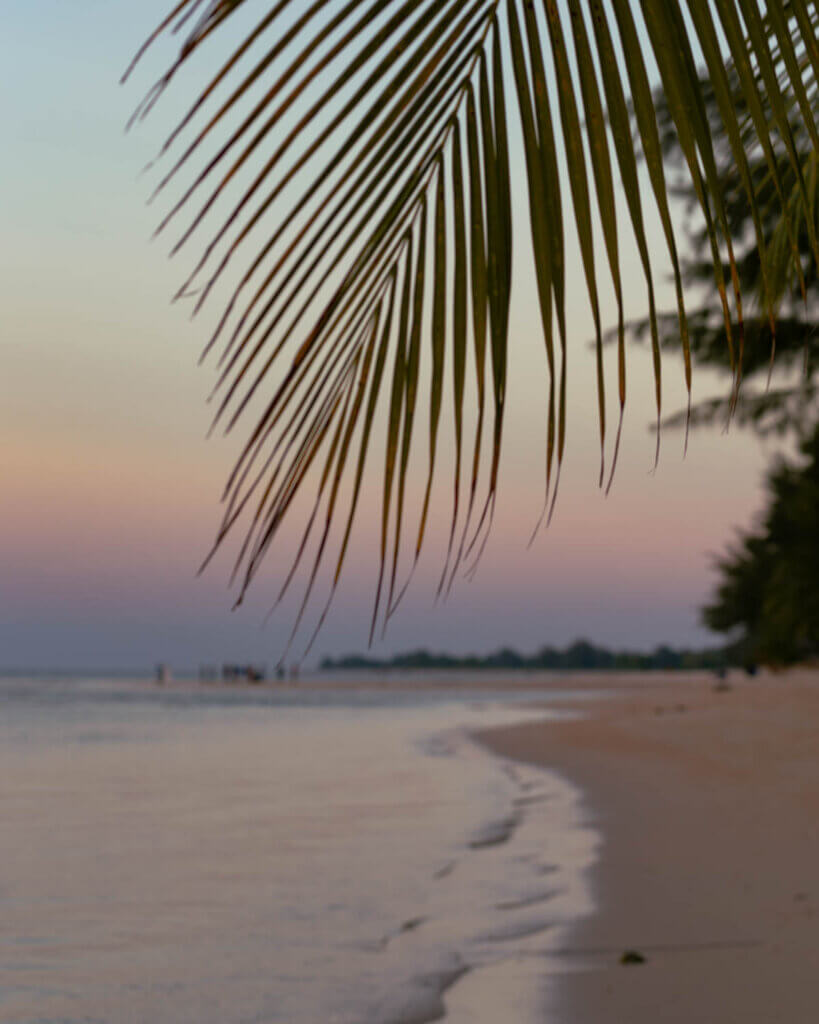
Walakiri Beach is an absolute gem to visit in East Sumba. The beach is just a 30-minute drive from Waingapu and there’s no entry, nor parking fee. A palm-fringed beach with calm water also makes the ideal spot for Wedding or Engagement Shoots, it’s such a must-visit.
There are a few local restaurants that serve drinks and food. My personal highlight here was that you can go for a chill swim, no waves or current – its perfect!
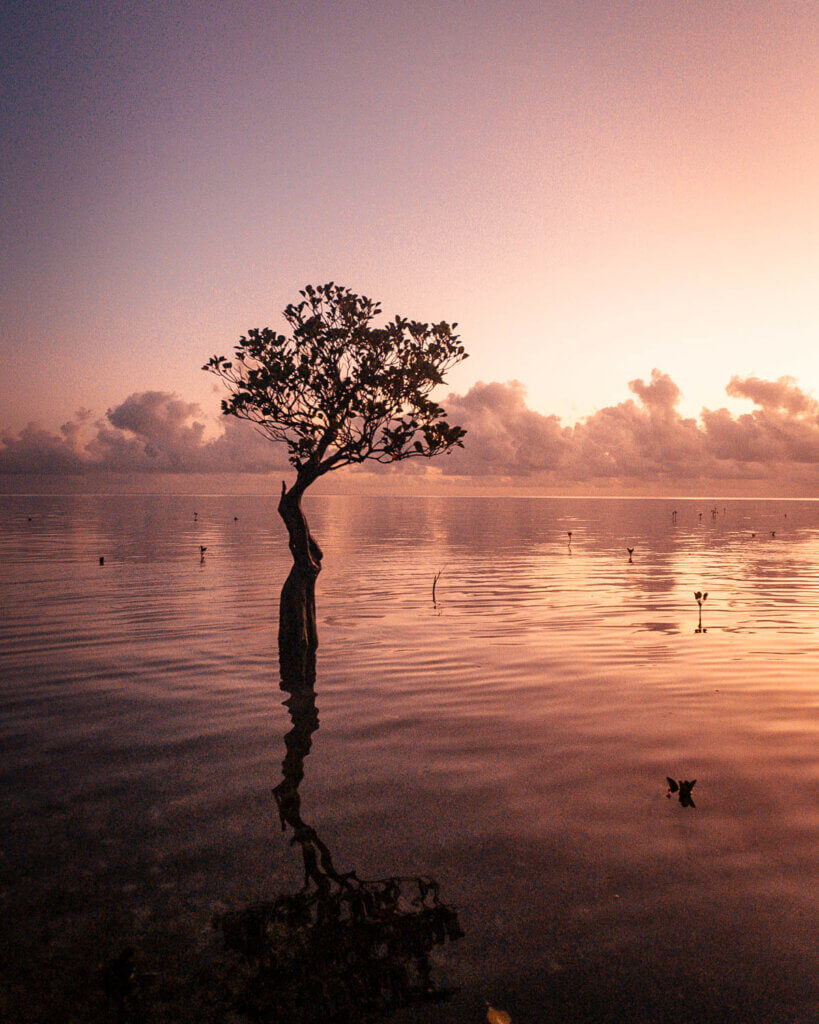
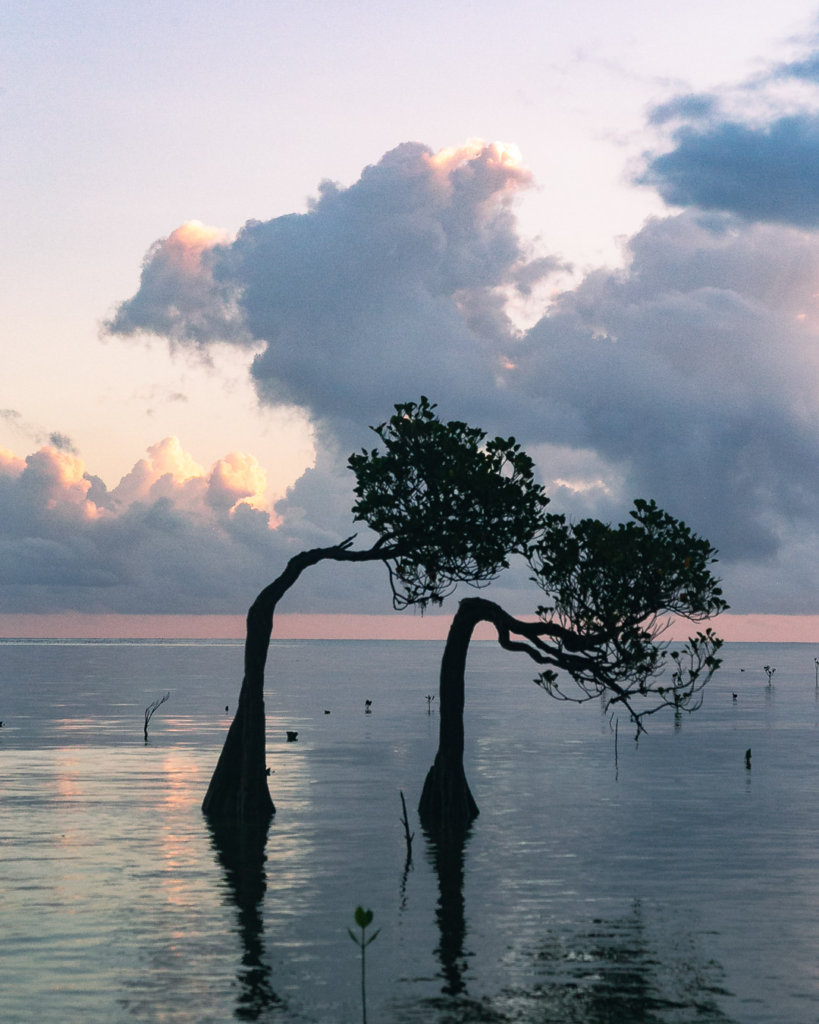
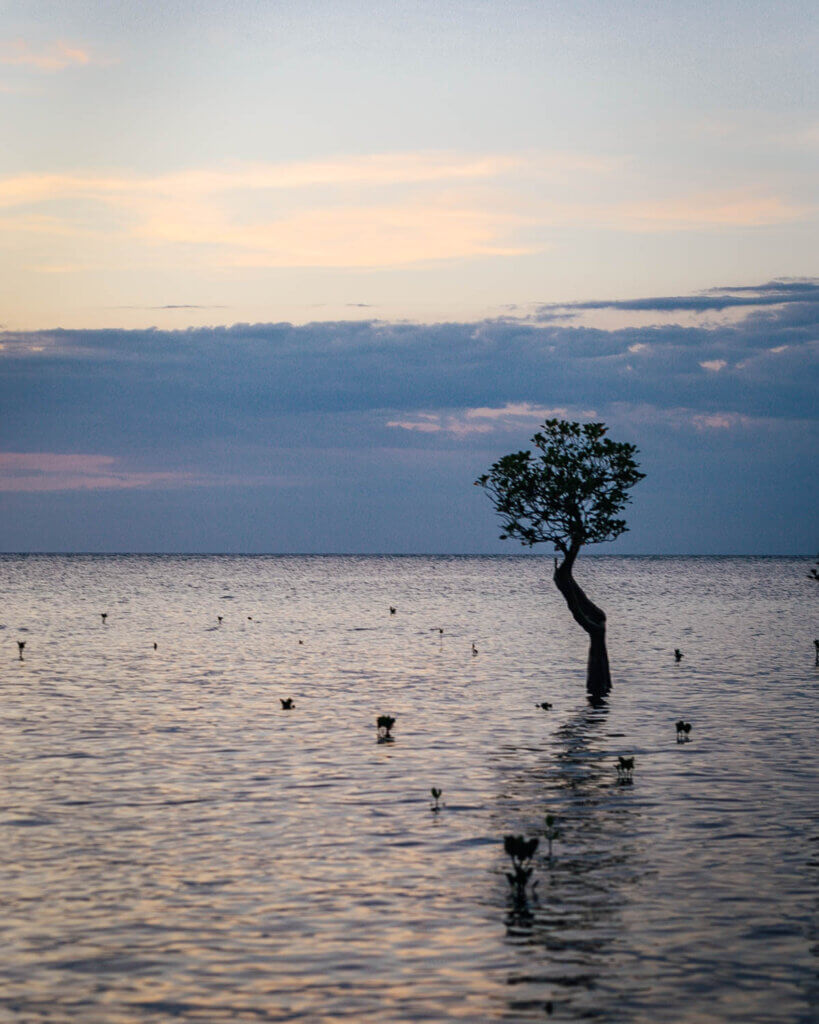
14 The Dancing Trees
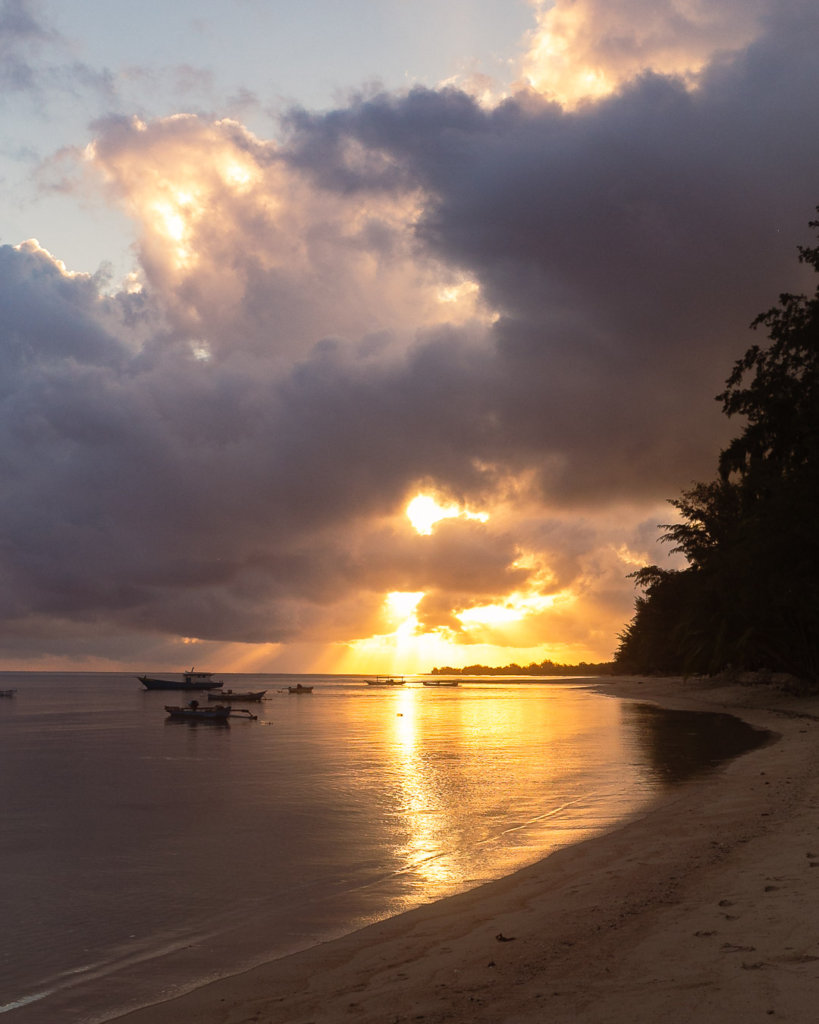
Walakiri Beach itself is wonderful and definitely worth a visit, but the real highlight is the Mangrove Trees or Dancing Trees.
I’d recommend going there for sunset or sunrise to catch the best photos. However, the ideal time would be during low tide to get these magical captures. Please be extra careful not to destroy any of the roots that are scattered around the area. It can be tricky to wade all the way out.
15 Bukit Wairinding
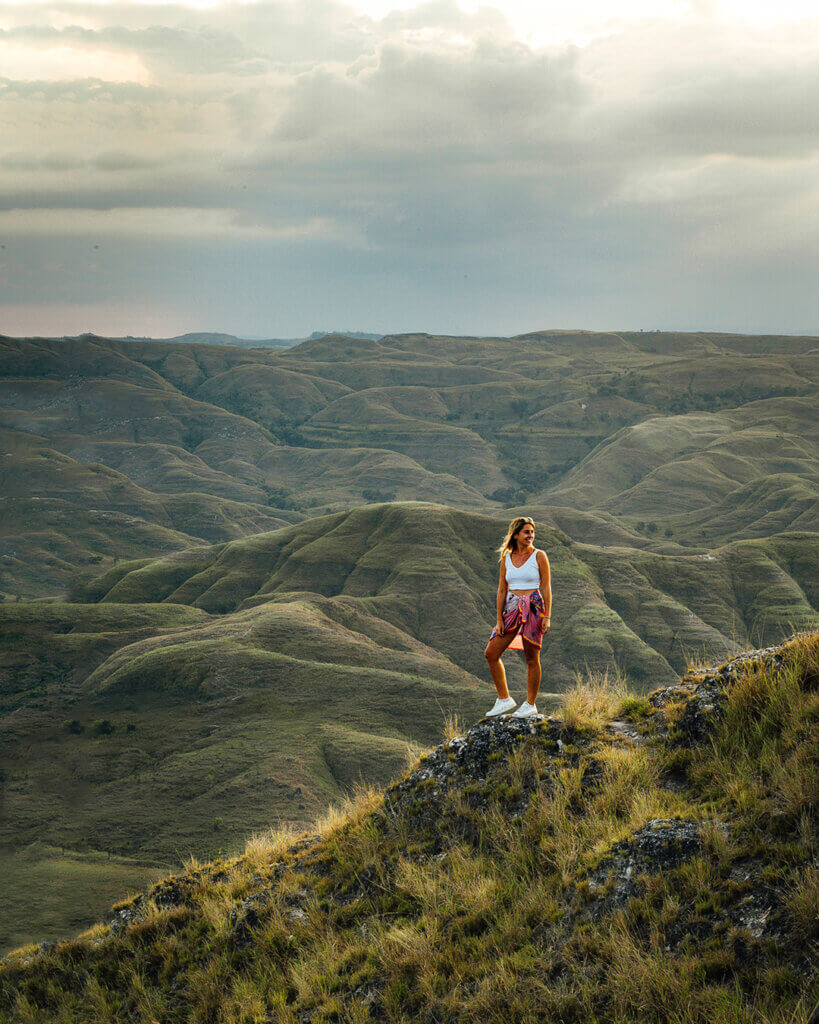
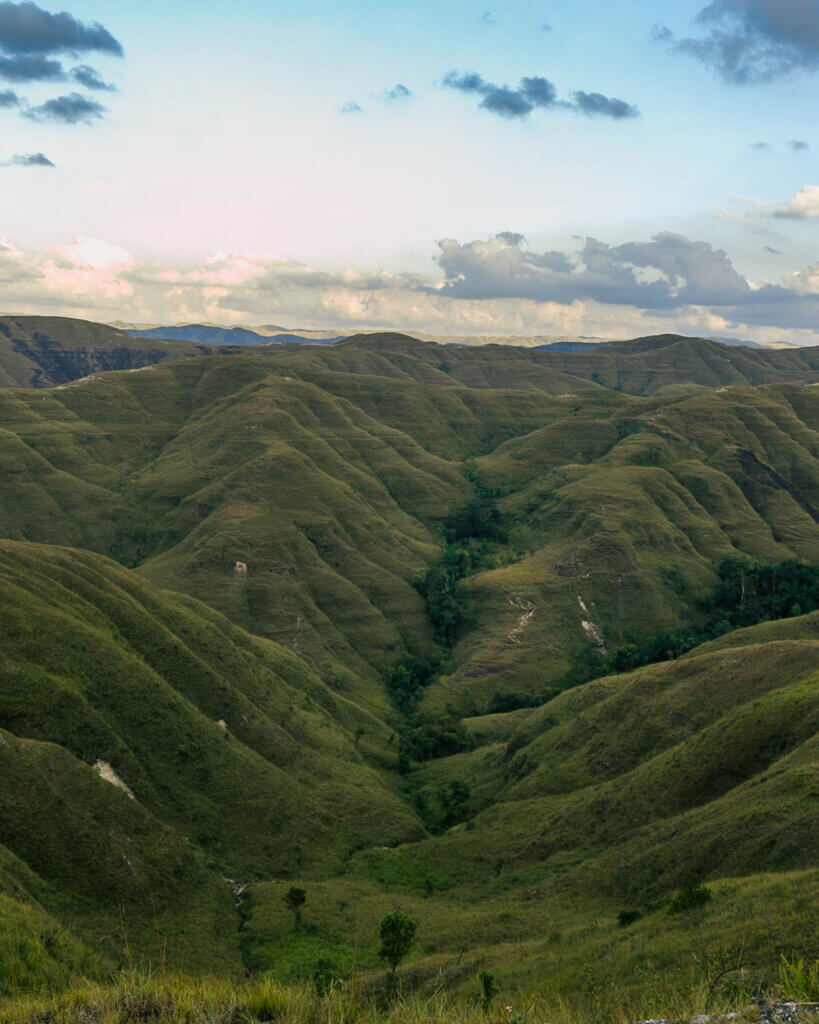
This has to be my all-time favorite place in Sumba – Bukit Wairinding is an outstanding place to see. It’s truly offbeat, and more than an hour’s drive inland from the main road towards the East. If you hire a driver for a day trip to East Sumba, it’s charged as an extra fare due to the distance.
The Wairinding Hills are rolling seemingly endlessly into the distance, deep valleys of lush green or yellowish tones. On the way there, you’ll likely spot some wild horses as well!
TIP: If you can, head there for sunset as it’s famous for its golden light
16 Wai Marang Waterfall
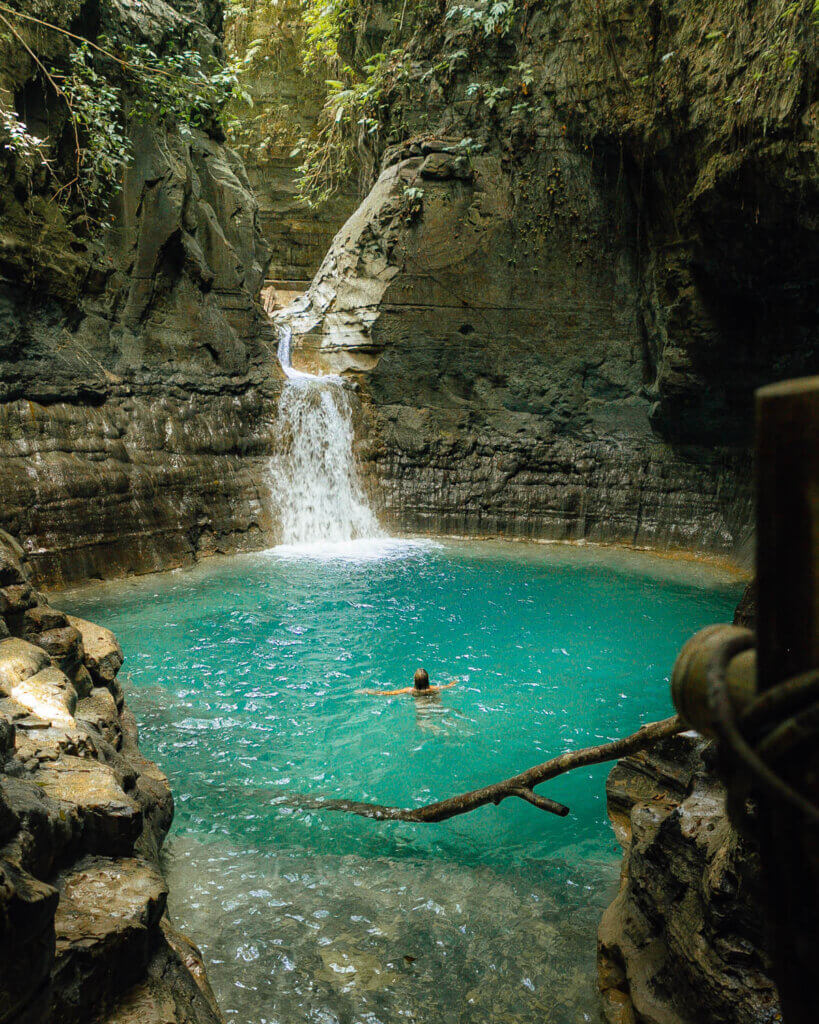
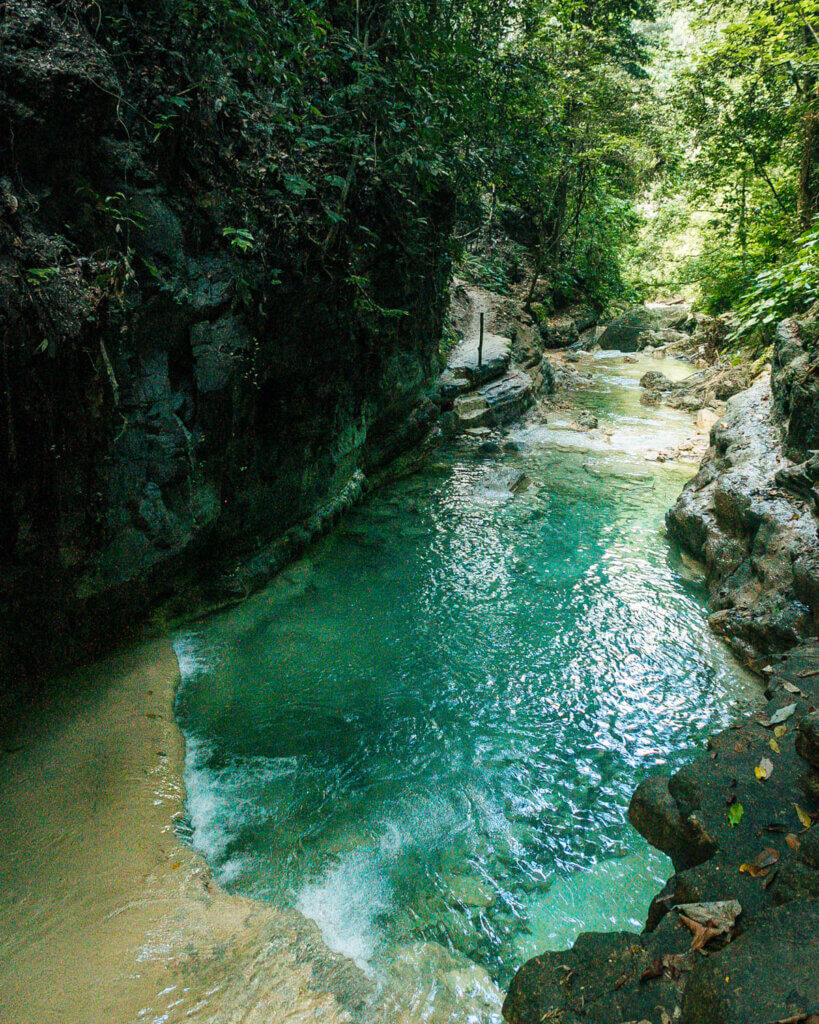
I’d say this one is East Sumba’s biggest gem! Locals discovered the jungle hidden Waimarang Waterfalls only in 2015! From the parking lot, you have to walk for about 20 minutes into the valley, passing fields and lots of nature. Seemingly out of nowhere, the path clears, and you are spoiled with an absolutely clear, green-bluish waterfall and swimming pool.
TIP: Go midday to get direct light, which intensifies the colour.
17 Kampung Adat Praiyawang
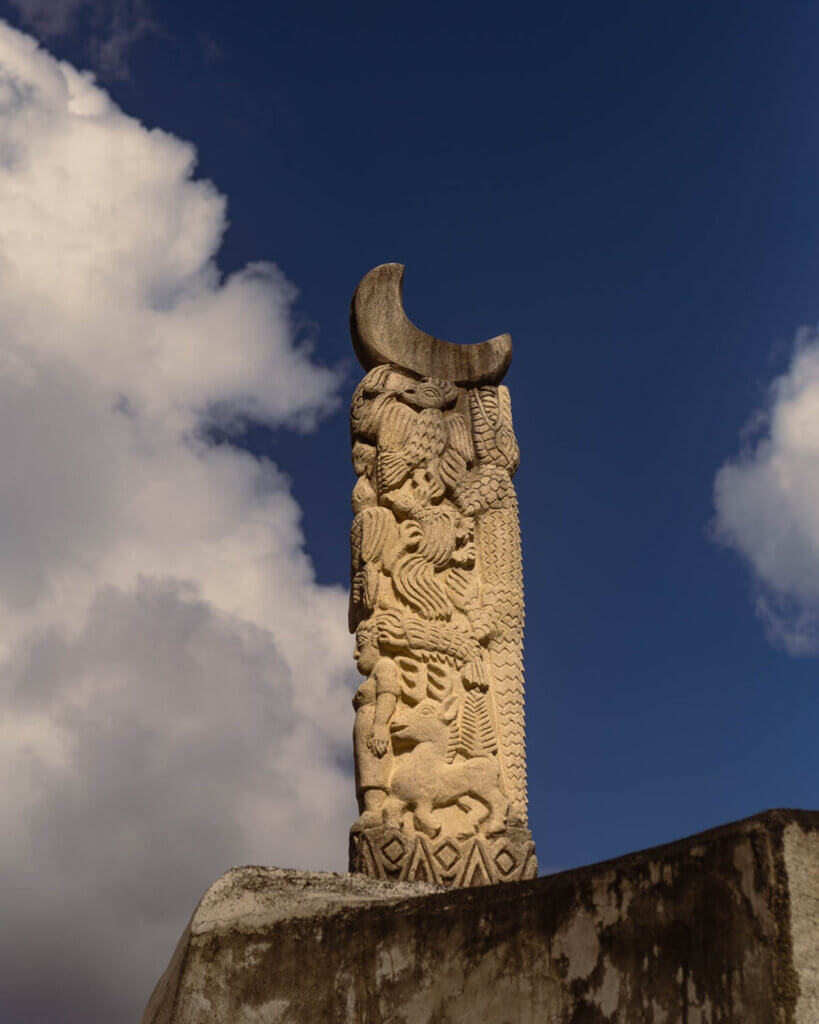
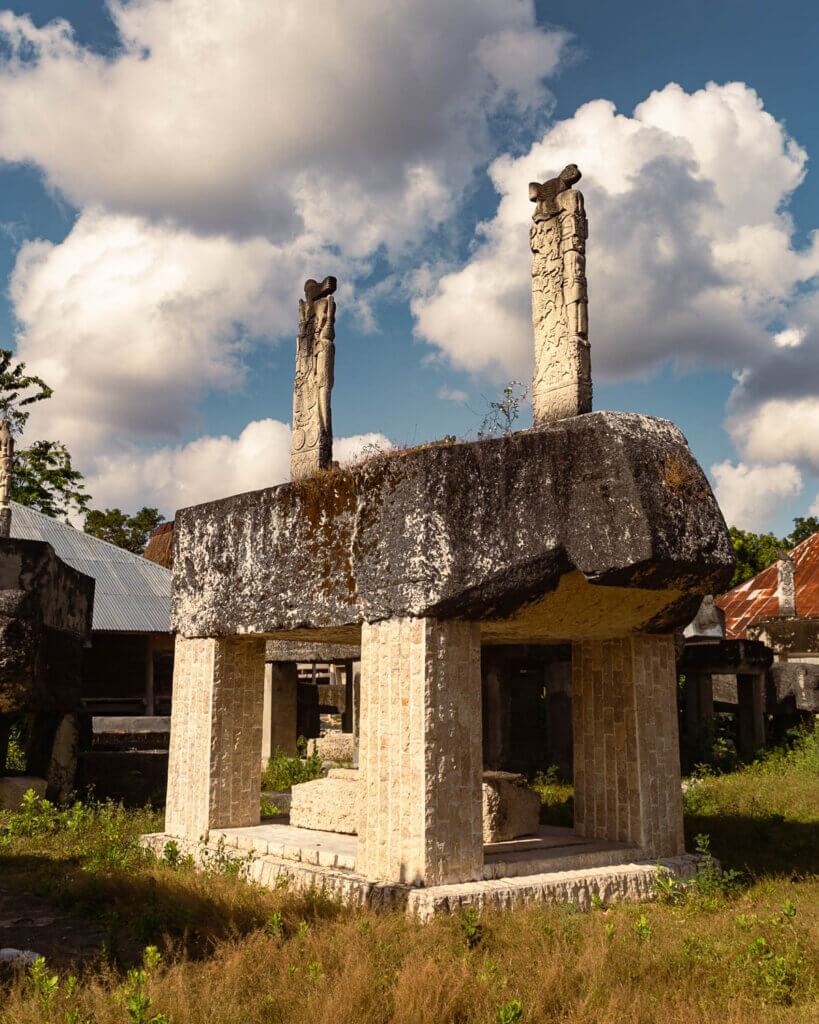
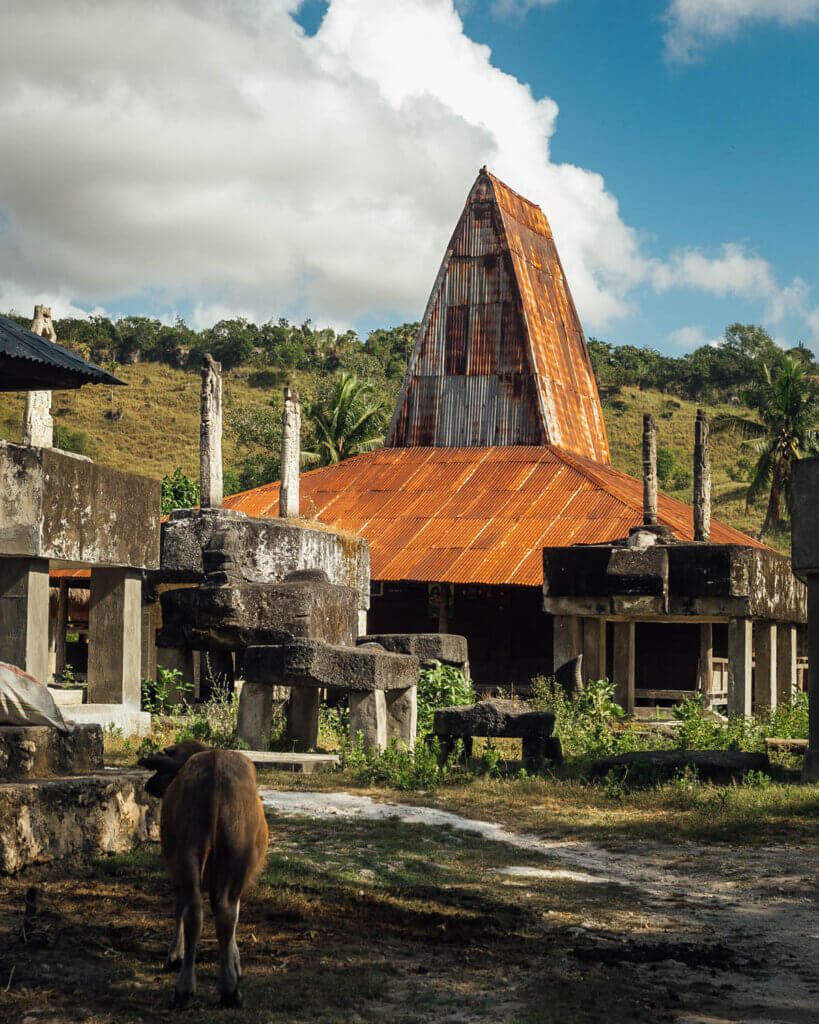
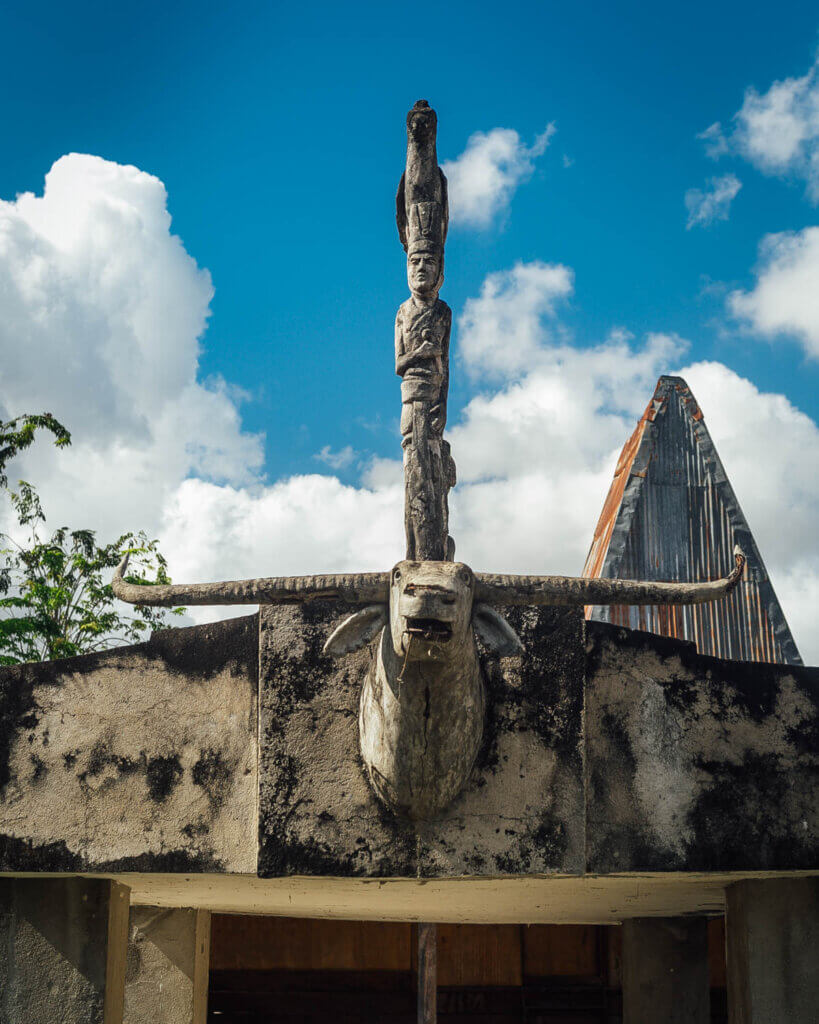
The village of Praiyawang in East Sumba is one of the best places to see on the way to Wai Marang Waterfall. It’s a popular spot due to its interesting architecture and countless megalithic graves that are just massive in size.
This cemetery is devoted to past kings in ancient times and usually carries animal symbols. In general, Sumbanese practice the Marapu belief, which is closely linked with spirits. If a person dies, it’s not unusual that the body stays in the house until they gather enough funds for the funeral. Once they have the funds, large numbers of buffalo and other animals are slaughtered, we talk like 50-100. The Indonesian government started to put more rules in place that brought the number down to like 10-20.
Also, something I found particularly shocking is that not too long ago, if an important king or leader died, his servants would follow him into the grave and get buried alive. Nowadays, burials are observed more closely to prevent this tradition from happening.
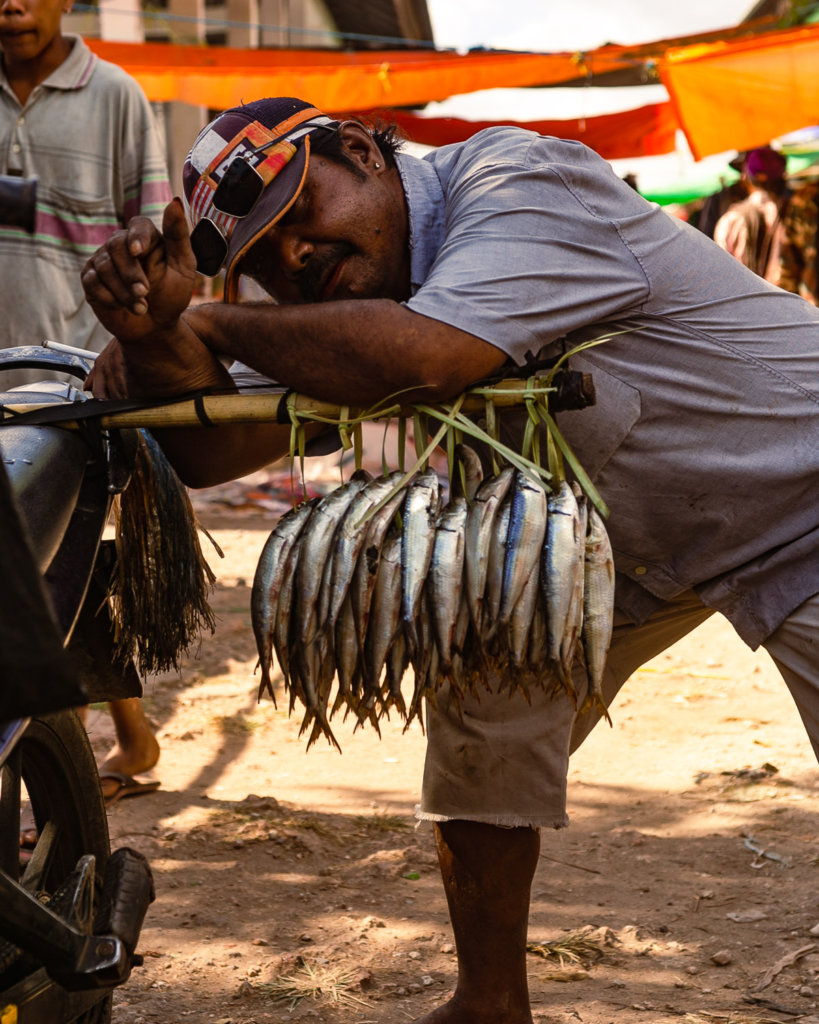
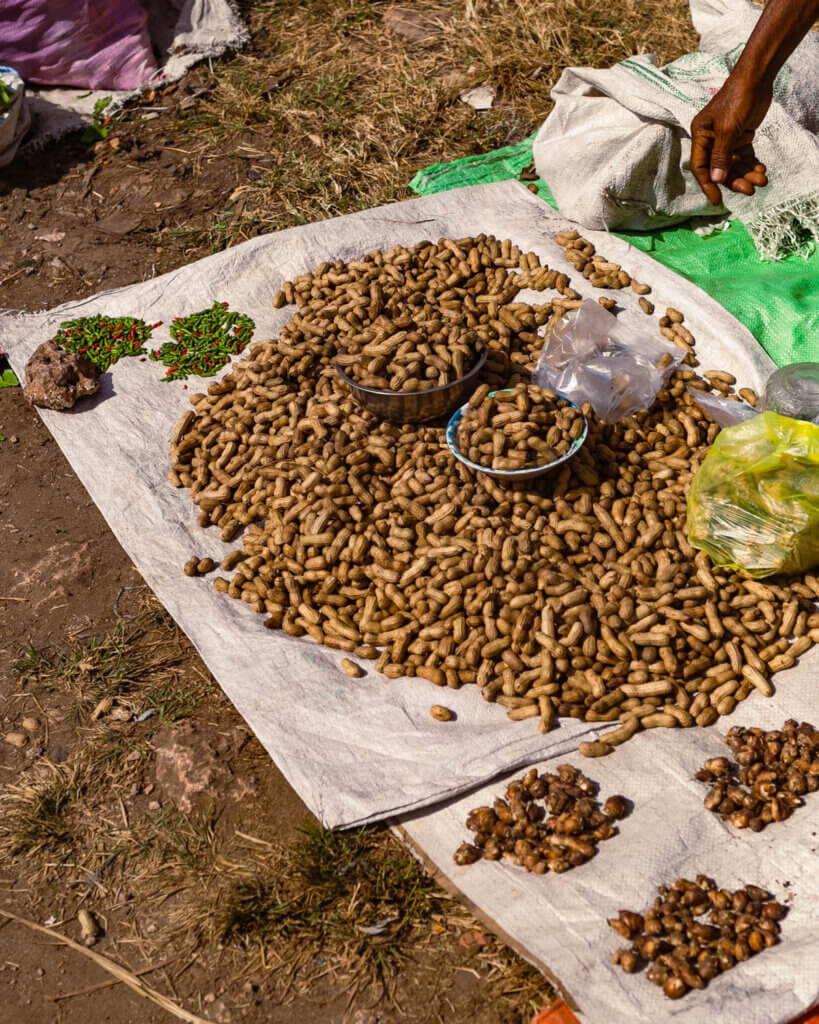
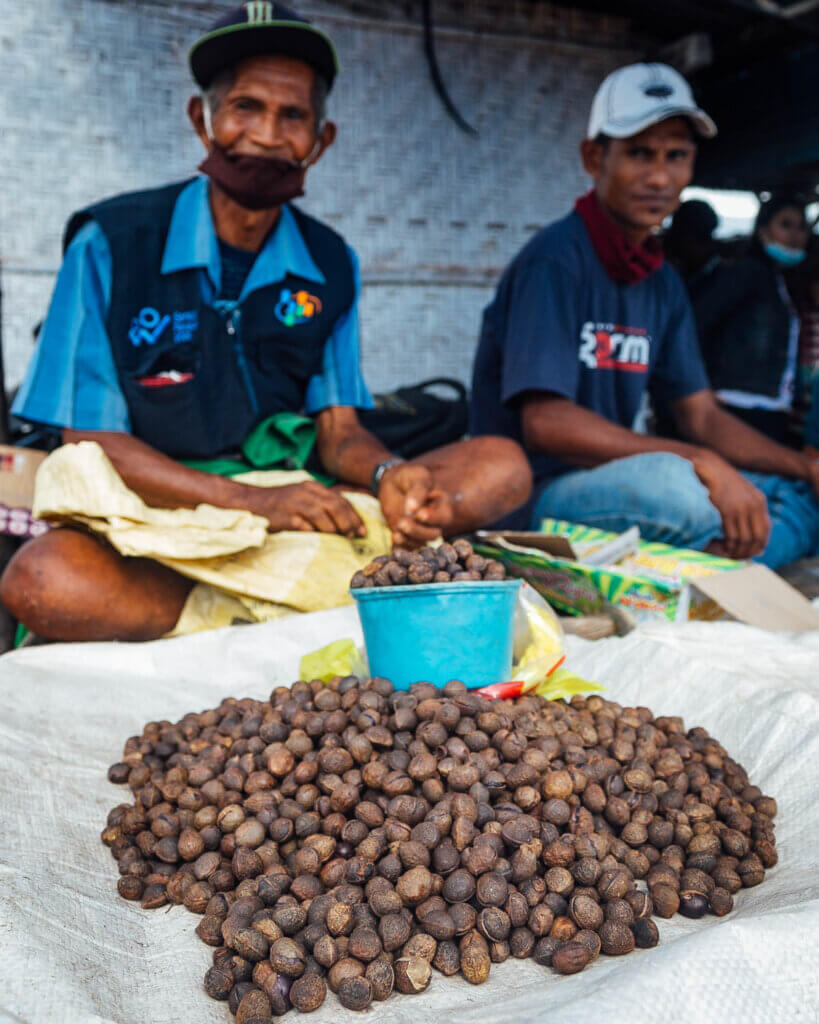
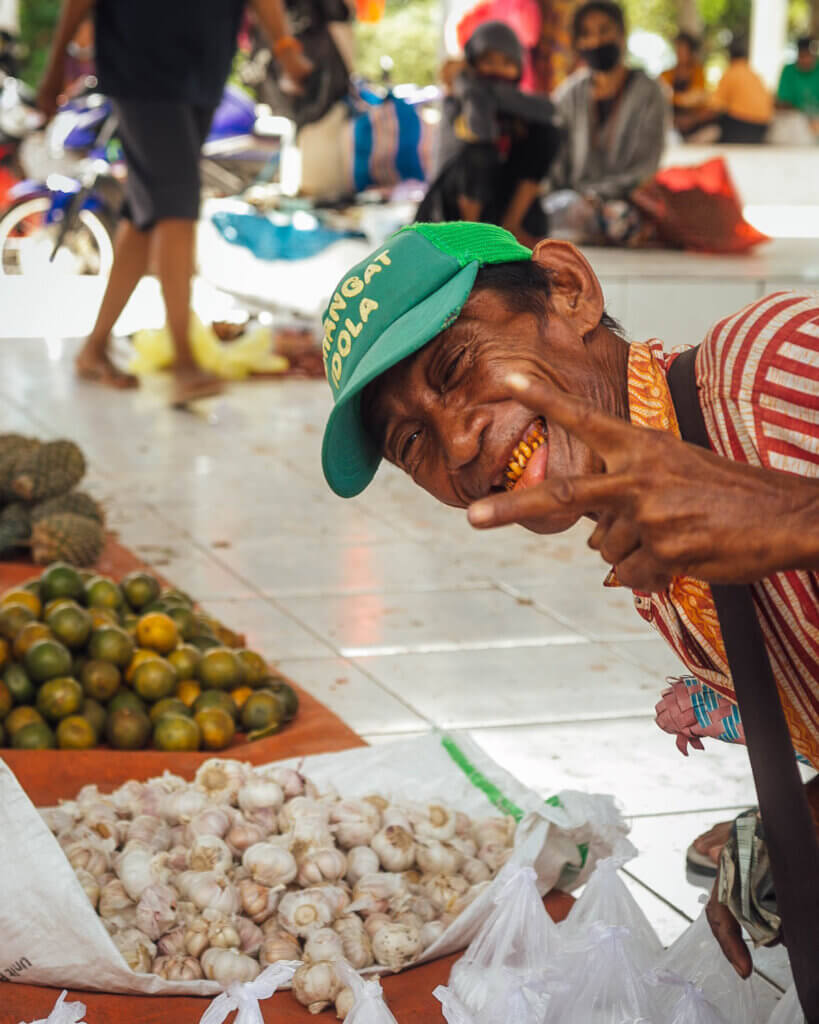
18 Traditional Local Market Melolo
Another special stop to visit is the local market in Melolo. I found this one to be better than the one in West Sumba, just because it was bigger and there was more variety of things to explore. A different array of fruits, and things to try and people were so curious to interact.
Also it’s the ideal place to pick up some snacks like peanuts (the drives are long so take advantage!).
19 Salt Farm
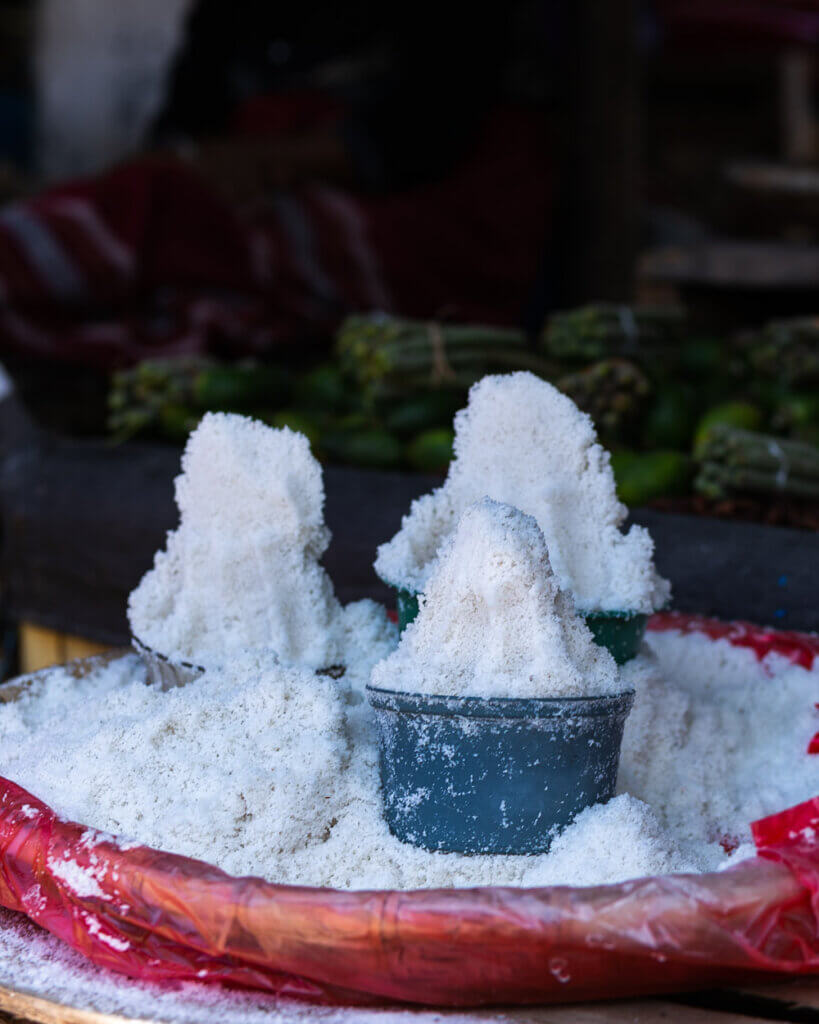
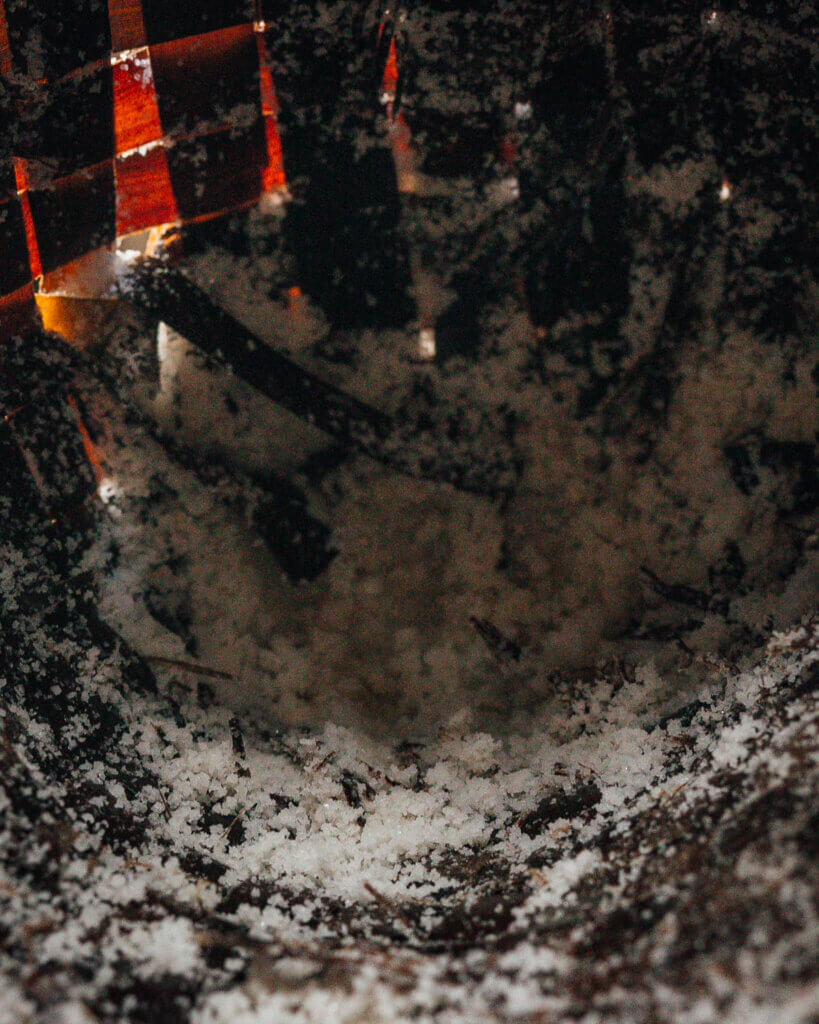
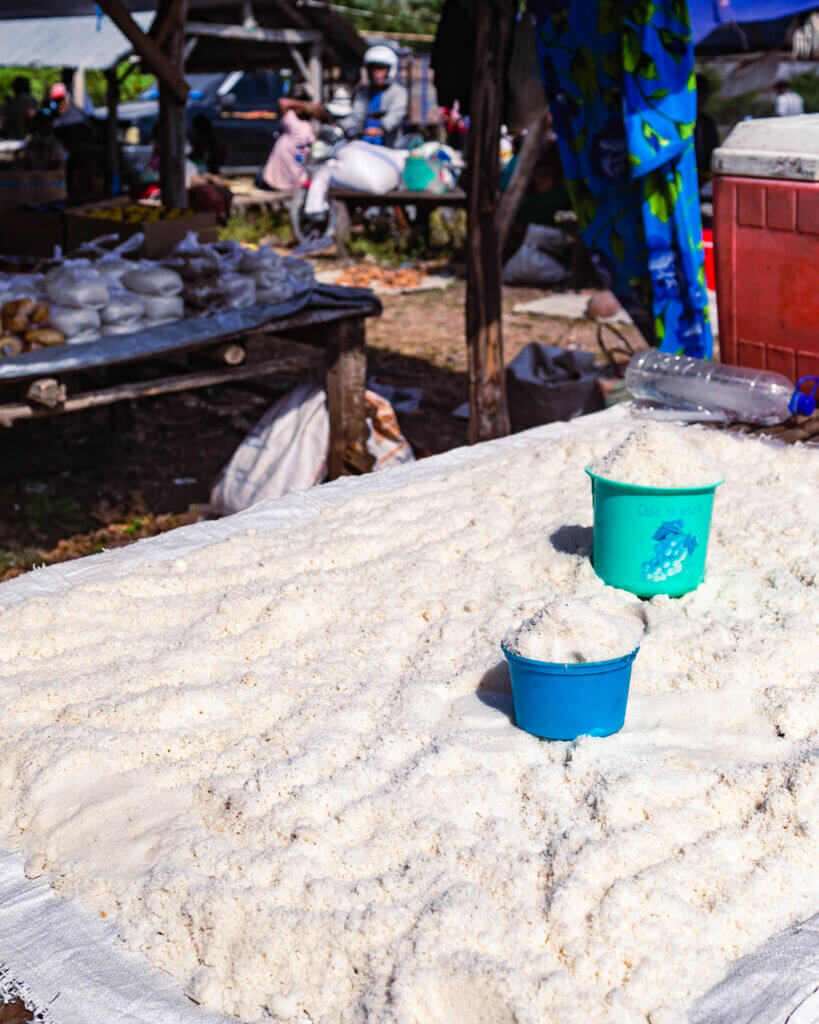
Especially in East Sumba, you can find many small salt farms and salt processing places. As part of my day trip with Morinda Villa we stopped at a small local salt farm literally off the road. In the tiny hut, we got a little insight into how they harvest it, dry it and process it to sell at the market.
Turns out that the East Nusa Tenggara (NTT) rolled out plans to convert big chunks of land into salt farms to be the number one national producer.
20 Spotting Wild Horses
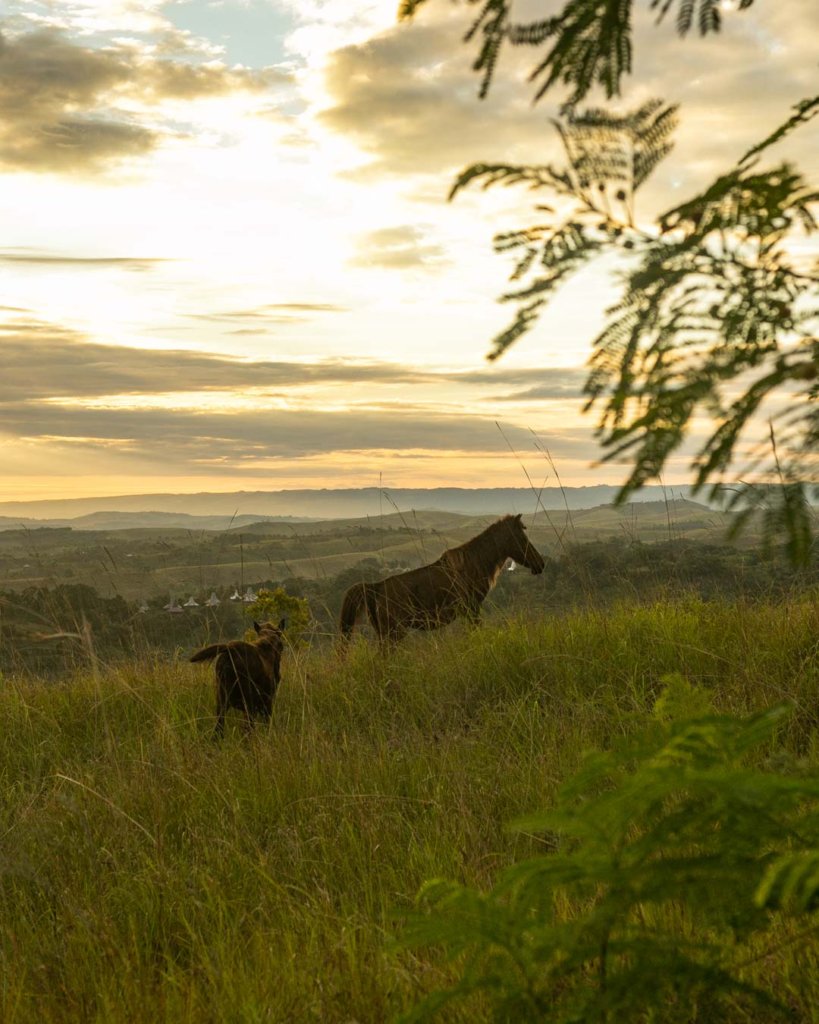
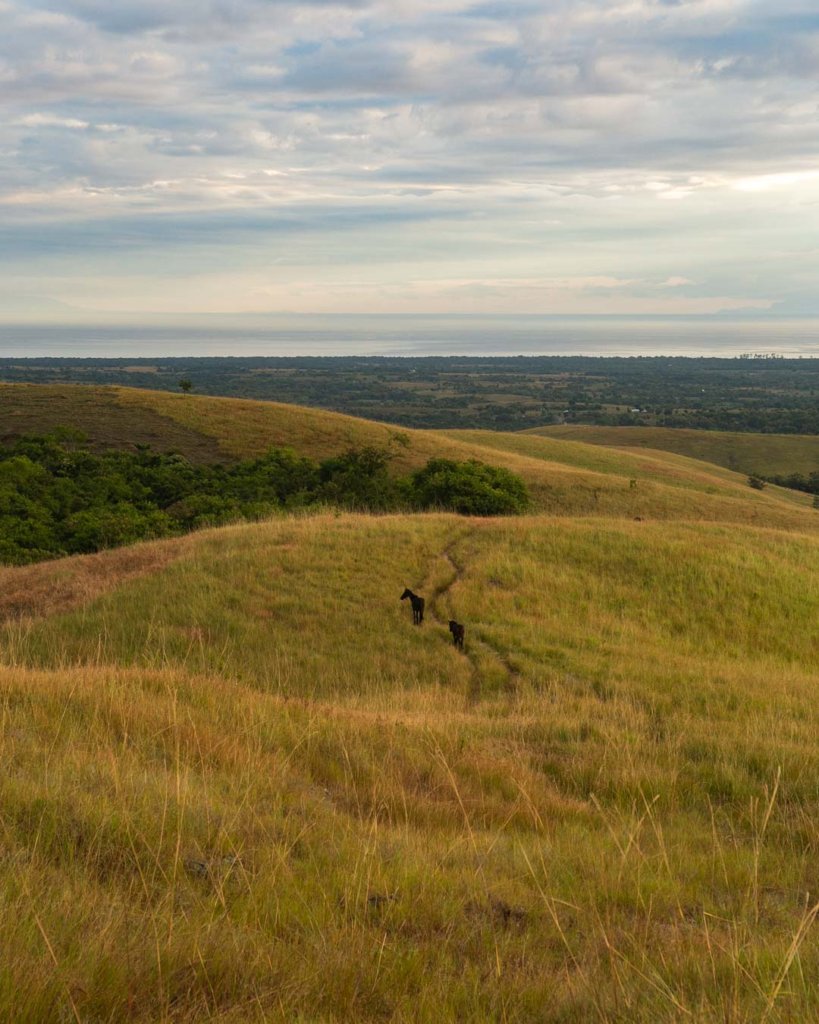
I think Sumba’s wild horses deserve a spot on the list as Sumba is one of the few places where you can still see them roaming around. At certain times, you can see locals bathing their horses – truly beautiful. I found that in East Sumba, you can see more wild horses than in West Sumba. Especially on the way to Bukit Tanarara were many.
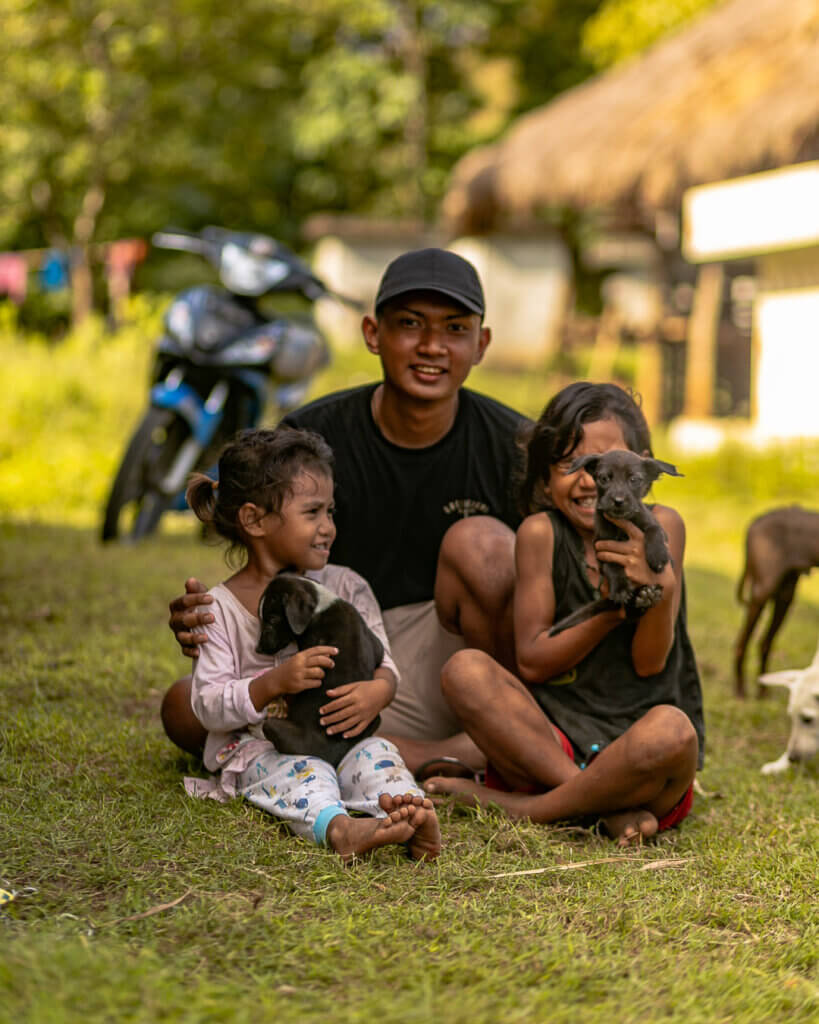
One thing that so different about Sumba is the way it remained authentic. It’s far from being a touristic island, infrastructure is lacking and there’s no abundance of anything really – except smiles from people.
Visiting Sumba is a truly eye-opening experience that you shouldn’t miss. It might not be the easiest island to get around, but the welcoming nature of the locals, the incredibly beautiful nature and the magical vibes will make this trip worthwhile – I promise!
I hope you enjoyed these 20 places to see in Sumba!
I work as a luxury hotel photographer across Bali and Indonesia. If you’re a boutique hotel or villa looking for editorial photography, see my luxury hotel photography portfolio.
Women Travel Essentials I Can’t Live Without
Travel Insurance
Having travel insurance that protects me no matter where I go has been an obligatory thing to have since day one. No matter if it was to study abroad, to go on a two-week vacation or start a full-time travel life – travel insurance is SO important. If you are looking for travel insurance to cover your next adventure, have a look at Safetywing to see if it suits you!
Travel Money Card
Are you still looking for the best option for your travels? Having a Wise travel money card that allows you to hold various currencies, has the lowest transaction fees and lets you withdraw money no matter where you are is worth GOLD. Wise has been my go-to choice for 4 years now and I wouldn’t go back to having only one credit card.
Have you read my other Indonesia posts?
Diving Lover? Scuba Diving in Komodo – What You Need To Know
Discover Uluwatu & The Best Beaches with this Full Guide!
My Top Experience To Do in Bali: Mount Batur Sunrise Hike
Check out my North Bali Guide & 16 Most Amazing Things You Need to See
Disclaimer: Some of the links in this article may contain affiliate links. If you purchase using these links, I earn a small commission at no additional cost to you. I only recommend services and tools I know and trust myself.
Exploring West Sumba came together in collaboration with SHF. All thoughts are my own as always.

